

Types, Characteristics, and Application Ranges of Poultry Seasoning Powder Pneumatic Conveying Syste
For companies in the food processing industry, especially those dealing with poultry seasoning powder, efficient material handling is crucial. Pneumatic conveying systems offer a reliable solution for transporting bulk materials like poultry seasoning powder, ensuring safety, hygiene, and operational efficiency. This article explores the various types, key characteristics, and typical application ranges of such systems, providing insights into how they can enhance production processes.
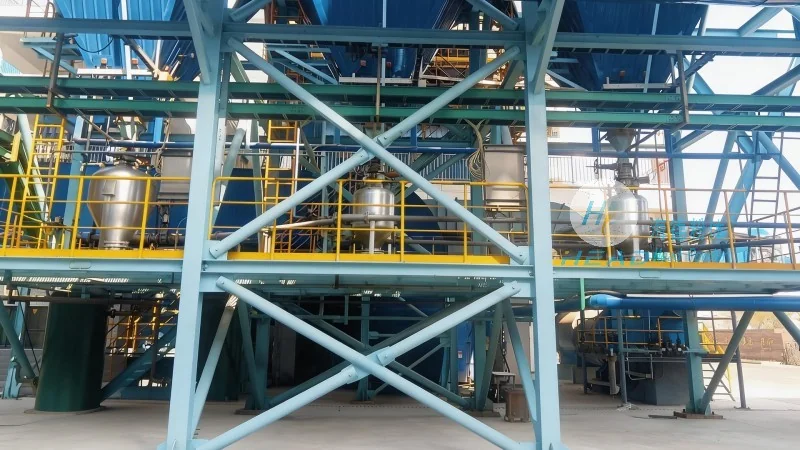
Key Types of Pneumatic Conveying Systems for Poultry Seasoning Powder
There are several common types of pneumatic conveying systems used for handling poultry seasoning powder, each with distinct operating principles and suitability for different production environments. The primary categories include:
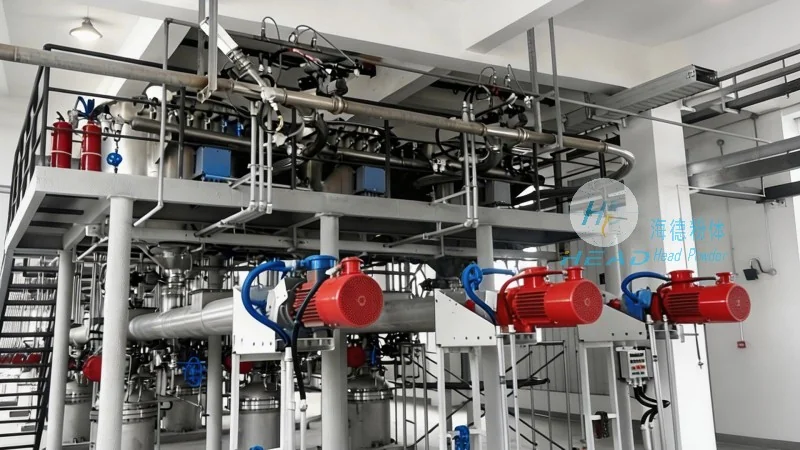
- Positive Pressure Systems: These systems use a blower or compressor to generate positive pressure in the conveying line, pushing the powder from the source to the destination. They are ideal for short to medium-distance transport and are commonly used in applications where the powder is to be transferred from a hopper or silo to a processing unit.
- Negative Pressure (Vacuum) Systems: In contrast, negative pressure systems create a vacuum in the line, drawing the powder from the source. This method is often preferred for longer distances or when the powder needs to be collected from multiple points and transported to a central location. It is particularly useful for handling fine powders like poultry seasoning, as it minimizes dust dispersion and maintains product integrity.
- Combination (Closed Loop) Systems: Some advanced systems combine both positive and negative pressure phases within a single cycle. This approach allows for more flexible and efficient transport, especially in complex production lines where materials need to be moved between multiple stages. The closed-loop design helps in reducing energy consumption and maintaining consistent air quality throughout the process.
Core Features and Advantages of Pneumatic Conveying for Poultry Seasoning Powder
When selecting a pneumatic conveying system for poultry seasoning powder, several key features and advantages should be considered. These attributes contribute to the overall effectiveness and reliability of the system:
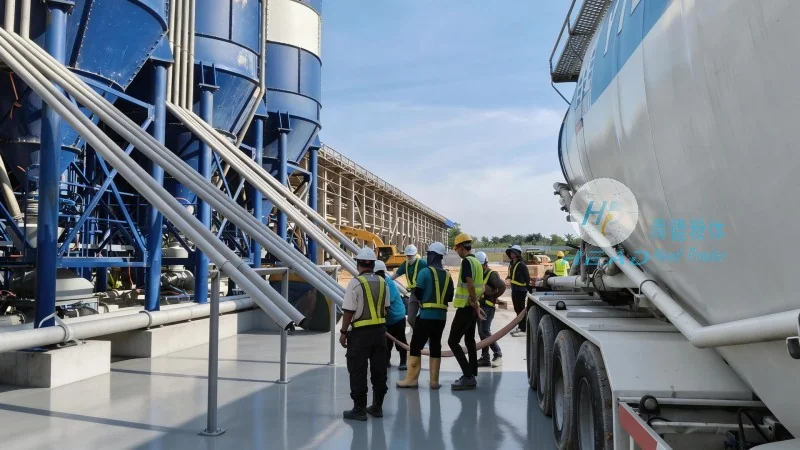
- Hygienic Design: Pneumatic conveying systems can be designed with smooth, easy-to-clean surfaces and sealed components, which are essential for maintaining food safety standards. This is particularly important for poultry seasoning powder, as it is a food product that requires strict compliance with hygiene regulations.
- Low Maintenance Requirements: Compared to traditional mechanical conveying methods, pneumatic systems have fewer moving parts, reducing the need for frequent maintenance and minimizing downtime. This results in lower operational costs and increased productivity.
- Energy Efficiency: Modern pneumatic conveying systems are engineered to optimize air usage, reducing energy consumption while maintaining effective material transport. This is achieved through advanced blower technology and efficient line design, making them a cost-effective solution for long-term use.
- Flexibility in Layout: Pneumatic conveying allows for flexible installation, as the conveying lines can be easily rerouted or extended to accommodate changes in production layout or expansion of the facility. This adaptability is valuable for companies that may need to modify their production processes over time.
Typical Application Ranges of Pneumatic Conveying Systems for Poultry Seasoning Powder
The application ranges of pneumatic conveying systems for poultry seasoning powder vary based on factors such as production scale, distance requirements, and material characteristics. Here are some common scenarios where these systems are widely used:
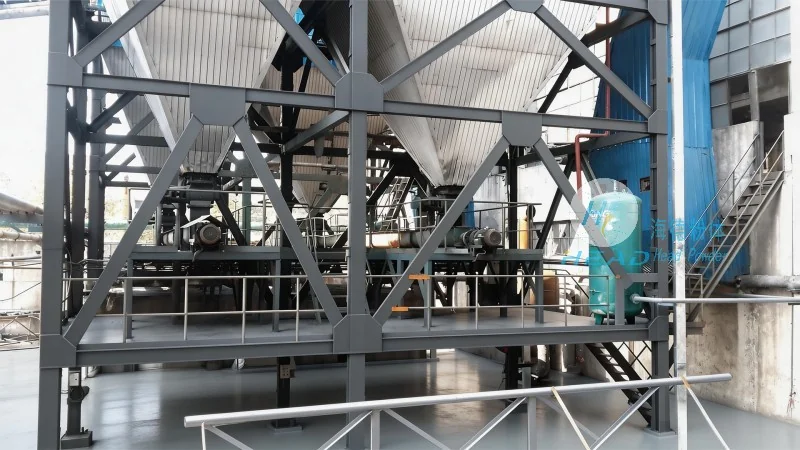
- From Storage to Processing: In large-scale poultry seasoning production facilities, pneumatic conveying is commonly used to transfer bulk powder from storage silos or hoppers to processing equipment like mixers, granulators, or packaging machines. This ensures a continuous and efficient flow of materials, supporting high-volume production.
- Between Production Stages: For multi-stage production processes, pneumatic conveying can connect different processing units, such as moving finished powder from a drying unit to a packaging line or from a blending unit to a quality control station. This seamless transfer minimizes material handling time and reduces the risk of contamination.
- Collection and Transfer: In facilities where poultry seasoning powder is produced in batches or from multiple sources, negative pressure systems are often used to collect the powder from various points and transport it to a central collection point. This method is effective for handling fine powders and maintaining product purity throughout the transfer process.
- Transport to Packaging: For final packaging operations, pneumatic conveying can deliver the poultry seasoning powder directly to filling machines or packaging lines. This ensures that the powder is handled gently and without segregation, preserving its quality and appearance for the end consumer.
Conclusion and Company Overview
Pneumatic conveying systems represent a sophisticated and efficient solution for handling poultry seasoning powder in the food processing industry. By understanding the different types, key features, and application ranges, companies can select the most suitable system to meet their specific operational needs. As a leading provider in this field, Shandong HeadPowder Engineering Co., Ltd. specializes in designing and manufacturing customized pneumatic conveying solutions tailored to the unique requirements of poultry seasoning powder production. With a focus on hygiene, efficiency, and reliability, their systems help food processing companies enhance productivity while maintaining the highest standards of product quality and safety.