

Types and Applications of Carbide Powder Pneumatic Conveying Systems
Carbide powder, also known as calcium carbide powder, is a critical material in various industrial processes, and its efficient handling through pneumatic conveying systems is essential for maintaining production efficiency and safety. Shandong HeadPowder Engineering Co., Ltd., a leading provider in the field, specializes in advanced pneumatic conveying solutions tailored for carbide powder applications. This article explores the different types of carbide powder pneumatic conveying systems, their key characteristics, and the diverse industrial applications where they are employed.
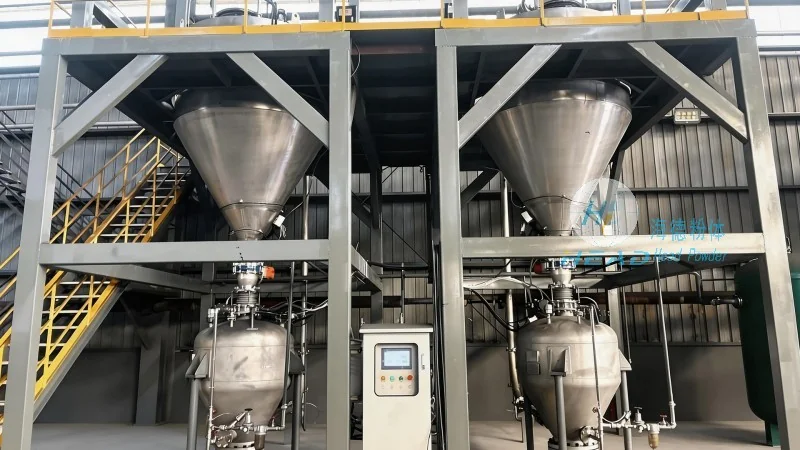
Types of Carbide Powder Pneumatic Conveying Systems
There are primarily two main categories of pneumatic conveying systems used for carbide powder: positive pressure systems and negative pressure (or vacuum) systems. Each type has distinct operational principles and is suitable for different scenarios based on material properties, distance, and environmental requirements.
Positive Pressure Pneumatic Conveying Systems
Positive pressure systems operate by blowing air or a carrier gas into the conveying line, creating a pressure higher than the ambient air. This method is effective for conveying materials over longer distances and through complex piping networks. For carbide powder, positive pressure systems are often preferred when dealing with large volumes and when the material needs to be transported to multiple destinations. The key advantages include high conveying capacity, ability to handle abrasive materials, and reduced risk of dust explosion compared to some negative pressure systems. However, they require robust equipment to withstand higher pressures and may need additional filtration to prevent dust leakage.
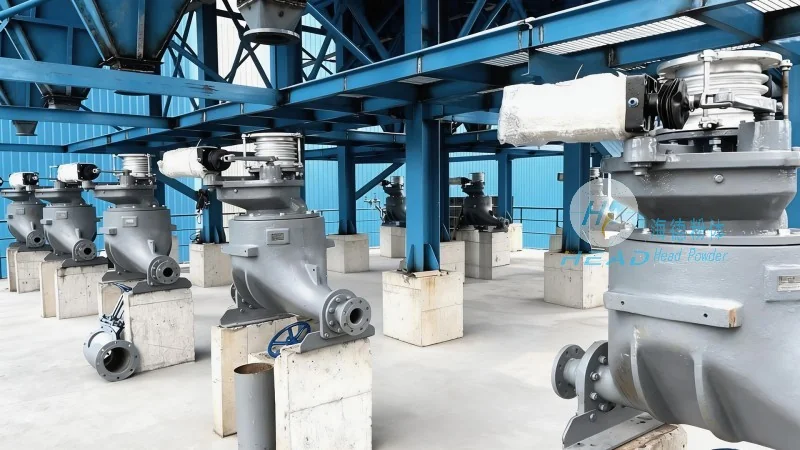
Negative Pressure (Vacuum) Pneumatic Conveying Systems
Negative pressure systems, on the other hand, create a vacuum in the conveying line, drawing the material from the source. This approach is ideal for short to medium-distance conveying and for applications where the material needs to be collected from multiple points. The main benefits include lower operational noise, suitability for handling fine powders without excessive wear, and easier integration with existing vacuum systems. Nevertheless, they have limitations in terms of conveying distance and material capacity, as the vacuum can only pull material over a certain range. Additionally, proper sealing and filtration are crucial to prevent air leakage and maintain system efficiency.
Specialized Conveying Solutions for Carbide Powder
For specific industrial needs, specialized pneumatic conveying systems may be employed. For instance, some applications require the use of a dual-phase system, combining air and a liquid carrier (such as water or oil) to enhance material transport. This method is particularly useful for handling highly abrasive or sticky carbide powders, as the liquid helps to lubricate the pipeline and reduce friction. Another specialized approach is the use of a rotary valve or a star feeder at the material source to ensure a consistent flow rate, which is critical for maintaining system stability and preventing blockages in the conveying line.
Key Features of Carbide Powder Pneumatic Conveying
When evaluating pneumatic conveying systems for carbide powder, several key features must be considered. First, the system must be capable of handling the material's specific properties, such as its particle size distribution, density, and moisture content. Carbide powder often has a high hardness and abrasiveness, which can cause significant wear on the conveying equipment. Therefore, materials like stainless steel or special alloys are commonly used for the pipeline and components to ensure durability. Second, the system should incorporate effective dust control measures, as carbide powder is a fine particulate that can pose health and safety risks if not properly contained. This includes advanced filtration systems and sealed enclosures to prevent dust emissions. Third, the conveying efficiency and energy consumption are important factors, as they directly impact operational costs. Modern systems often use variable speed drives and optimized air flow to minimize energy usage while maintaining high conveying rates. Finally, the system's flexibility and scalability are crucial, allowing it to adapt to changing production demands and integrate with other industrial processes.
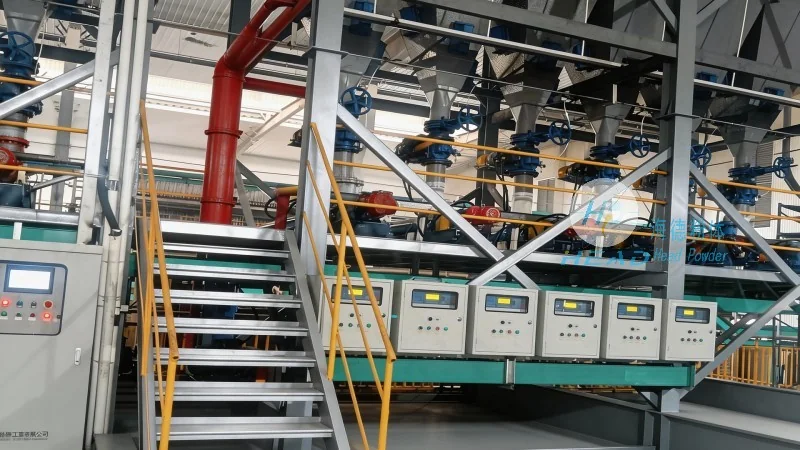
Applications of Carbide Powder Pneumatic Conveying
Carbide powder pneumatic conveying systems find wide applications across various industries, primarily due to the material's versatility and the efficiency of the conveying process. In the chemical industry, carbide powder is used in the production of acetylene gas, a key component in welding and chemical synthesis. Pneumatic conveying systems are used to transport the powder from storage silos to reactors, ensuring a continuous and controlled supply. In the metallurgical sector, carbide powders are utilized as raw materials for the production of hard metals, such as tungsten carbide and titanium carbide. The systems help in moving these high-value materials from processing units to sintering furnaces or grinding stations. Additionally, in the mining and mineral processing industry, carbide powder is used as a reagent in ore treatment processes, and pneumatic conveying facilitates its transport from processing plants to storage or further treatment facilities. Other applications include the use of carbide powder in the manufacturing of abrasives, where the material is conveyed to mixing and grinding equipment. The consistent and reliable transport provided by pneumatic systems ensures that the quality of the final products is maintained, as any variation in material flow can affect the final product characteristics.
About Shandong HeadPowder Engineering Co., Ltd.
Shandong HeadPowder Engineering Co., Ltd., operating under the brand name headpowder, is a reputable company based in Shandong, China. With years of experience in the engineering and manufacturing of pneumatic conveying systems, the company has established itself as a trusted partner for industries requiring efficient and safe handling of powders. The company's team of experts is dedicated to understanding the unique challenges of each application and providing customized solutions that meet the specific needs of clients. By leveraging advanced technology and rigorous quality control, headpowder ensures that its pneumatic conveying systems are reliable, durable, and compliant with industry standards. The company's commitment to innovation and customer satisfaction has made it a preferred choice for businesses seeking to optimize their material handling processes and enhance overall operational efficiency.