

Types, Features, and Application Ranges of Corn Kernel Pneumatic Conveying Systems
For industrial operations dealing with corn kernels, efficient material handling is crucial. Pneumatic conveying systems offer a reliable solution for transporting corn kernels from one location to another. This article explores the different types of corn kernel pneumatic conveying systems, their key features, and the various applications where they are commonly used. The information presented is based on the expertise of Shandong HeadPowder Engineering Co., Ltd., a leading provider of material handling solutions in China.
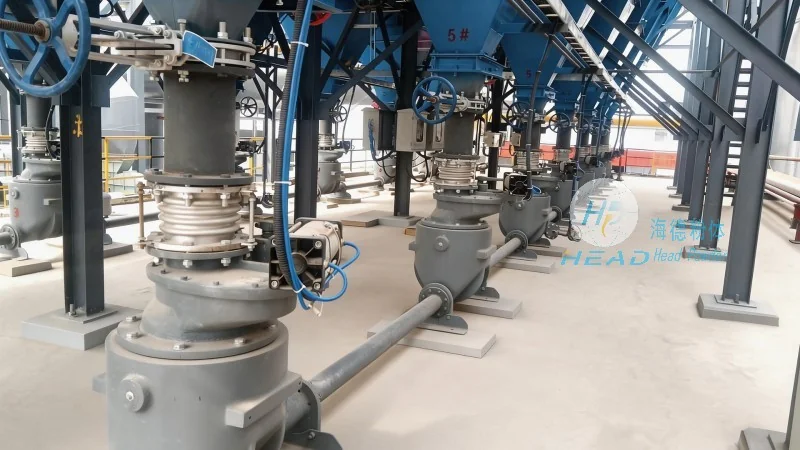
Understanding Corn Kernel Pneumatic Conveying Systems
Pneumatic conveying systems use air or gas to move solid materials like corn kernels through a pipeline. These systems are widely used in the agricultural and food processing industries due to their ability to handle delicate materials without causing damage. The primary goal of a corn kernel pneumatic conveying system is to transport the kernels efficiently while maintaining their quality and integrity.
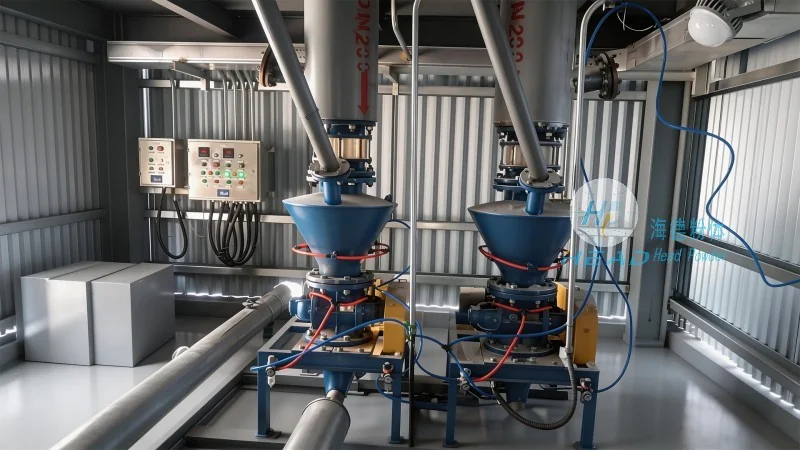
Types of Corn Kernel Pneumatic Conveying Systems
There are several types of pneumatic conveying systems designed for corn kernel transport, each with its own advantages and applications. The main categories include:
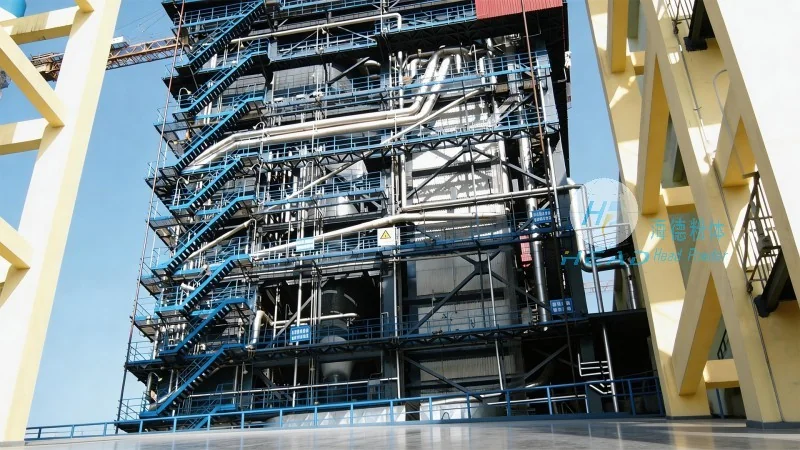
- Positive Pressure Systems: These systems use compressed air to push the corn kernels through the pipeline. They are suitable for short to medium distances and can handle a wide range of particle sizes. Positive pressure systems are often used in applications where the material is to be discharged into a silo or storage bin.
- Negative Pressure (Vacuum) Systems: In contrast to positive pressure systems, negative pressure systems use a vacuum to draw the corn kernels into the pipeline. This method is ideal for long-distance transport and for applications where the material needs to be collected from multiple points. Negative pressure systems are commonly used in grain elevators and processing plants.
- Combination Systems: Some applications may require a combination of both positive and negative pressure systems. These systems are designed to handle both short and long-distance transport, providing flexibility in material handling. Combination systems are often used in large-scale processing facilities where multiple transport routes are needed.
Key Features of Corn Kernel Pneumatic Conveying Systems
When selecting a corn kernel pneumatic conveying system, several key features should be considered to ensure optimal performance and efficiency. These features include:
- Material Handling Capacity: The system's capacity to handle the volume of corn kernels needed for the operation. This is measured in terms of flow rate and can vary depending on the system's design and the type of corn kernel being transported.
- Pressure and Vacuum Levels: The appropriate pressure or vacuum levels required to move the corn kernels through the pipeline. Higher pressure systems are typically used for short distances, while lower pressure systems are suitable for longer distances.
- Pipeline Design: The design of the pipeline, including the diameter and length, plays a critical role in the system's performance. Proper pipeline design ensures minimal pressure drop and efficient material transport.
- Filter and Dust Control: Pneumatic conveying systems generate dust and particles that need to be captured and filtered. Effective filtration systems are essential to maintain air quality and prevent equipment damage.
- Material Compatibility: The system's components must be compatible with corn kernels to avoid contamination or material degradation. Materials such as stainless steel or food-grade plastics are commonly used in the construction of these systems.
Application Ranges of Corn Kernel Pneumatic Conveying Systems
Corn kernel pneumatic conveying systems are used in a variety of applications across different industries. Some common applications include:
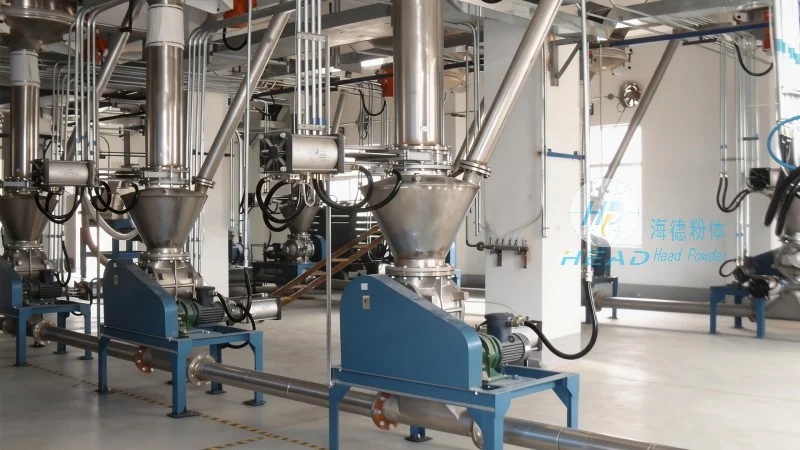
- Grain Storage and Handling: In grain elevators and storage facilities, these systems are used to move corn kernels from storage bins to processing equipment or for distribution to other locations.
- Food Processing: During the processing of corn products, such as corn flour or corn oil, pneumatic conveying systems are used to transport the kernels to processing units like mills or presses.
- Animal Feed Production: In animal feed plants, corn kernels are often used as a key ingredient. Pneumatic conveying systems help in efficiently moving the kernels from storage to feed mixing and packaging equipment.
- Industrial Processing: Some industrial applications, such as the production of biofuels or other corn-based products, require the transport of corn kernels to processing units. Pneumatic conveying systems provide a reliable method for this transport.
Conclusion and Company Information
Choosing the right corn kernel pneumatic conveying system is essential for efficient and cost-effective material handling in industrial operations. The types, features, and applications discussed above provide a comprehensive overview of the options available. Shandong HeadPowder Engineering Co., Ltd. specializes in designing and manufacturing high-quality pneumatic conveying systems tailored to the specific needs of corn kernel handling. With years of experience in the industry, the company ensures that its systems meet the highest standards of performance and durability. Based in Shandong, China, HeadPowder offers reliable solutions for businesses dealing with corn kernels, helping them optimize their material handling processes and improve overall operational efficiency.