

What is Polyethylene Pneumatic Conveying? Classification and Applications of Pneumatic Conveying
Understanding Polyethylene Pneumatic Conveying: Classification and Practical Applications
Pneumatic Conveying Basics and Its Relevance to Polyethylene Handling
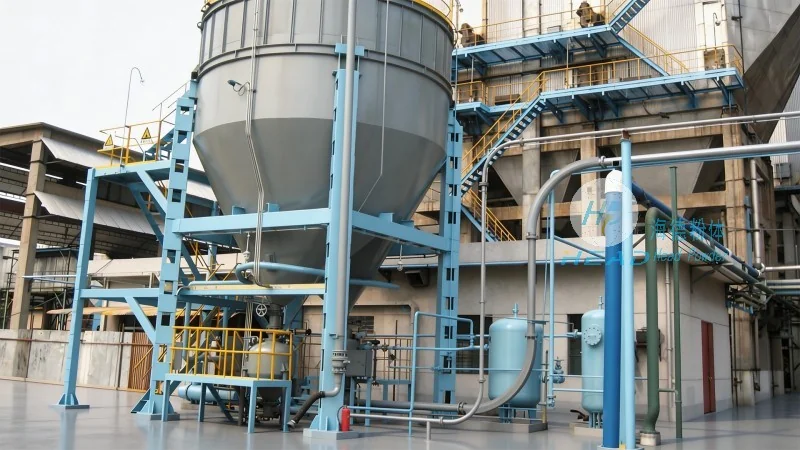
Pneumatic conveying is a critical material handling technology widely used in industrial processes, particularly for transporting polyethylene and other granular or powder materials. This method utilizes air or gas to move bulk materials through a pipeline system, offering advantages such as high efficiency, low maintenance, and the ability to handle materials in a closed environment. For polyethylene, which is commonly used in manufacturing, packaging, and construction industries, pneumatic conveying ensures safe and efficient transportation from storage to processing units. The technology's adaptability to various polyethylene forms—such as pellets, powders, or flakes—makes it an essential component in modern production lines.
Types of Pneumatic Conveying Systems for Polyethylene
There are primarily two main categories of pneumatic conveying systems: pressure and vacuum systems. Each type has distinct characteristics and applications for polyethylene handling. Pressure systems operate by blowing air or gas into the conveying line under pressure, pushing the material forward. This method is suitable for long-distance and high-volume transport of polyethylene, as it can maintain consistent flow rates and handle abrasive materials without damage. Vacuum systems, on the other hand, use suction to draw polyethylene into the pipeline, often from a hopper or storage bin. These systems are ideal for short-distance or low-volume applications, such as moving polyethylene from a storage area to a processing machine. Additionally, there are hybrid systems that combine elements of both pressure and vacuum, offering flexibility for diverse polyethylene handling needs.
Applications of Pneumatic Conveying in Polyethylene Processing
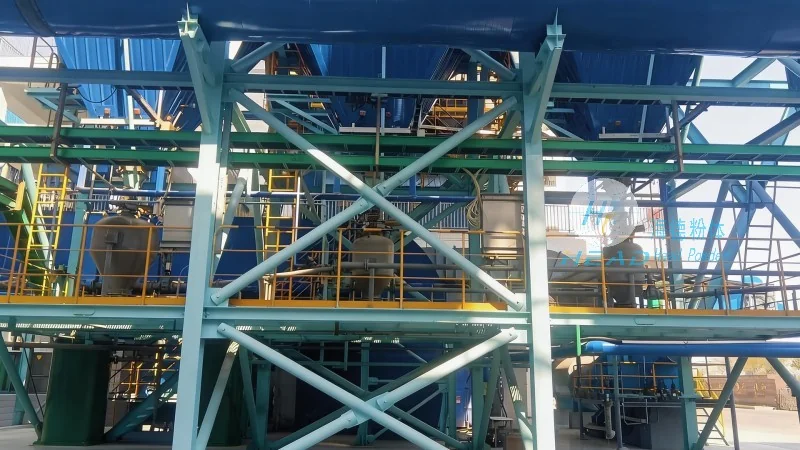
Pneumatic conveying plays a vital role in various stages of polyethylene processing. In the manufacturing of polyethylene pellets, for example, pneumatic systems are used to transport raw materials from storage silos to extrusion lines. This ensures a continuous and controlled supply of raw material, minimizing downtime and improving production efficiency. During the packaging phase, pneumatic conveying can be employed to move polyethylene products from the production line to packaging machines, maintaining product integrity and preventing contamination. In construction applications, where polyethylene is used as a plasticizer or additive, pneumatic systems help in transporting these materials to mixing equipment, ensuring precise dosing and consistent product quality. Furthermore, in recycling operations, pneumatic conveying is used to transport polyethylene waste from collection points to recycling facilities, facilitating the sorting and processing of recyclable materials.
Advantages of Pneumatic Conveying for Polyethylene Handling
Compared to traditional methods like belt conveyors or bucket elevators, pneumatic conveying offers several advantages for polyethylene handling. One of the key benefits is the ability to handle polyethylene in a closed system, which reduces dust emissions and improves workplace safety. This is particularly important for polyethylene, which can generate fine particles that may cause respiratory issues or environmental pollution. Another advantage is the flexibility of the system, as it can be easily adjusted to accommodate changes in production volume or material characteristics. Pneumatic conveying also minimizes material degradation, as the enclosed pipeline prevents exposure to air, moisture, or other contaminants that could affect the quality of polyethylene. Additionally, the system's low maintenance requirements and energy efficiency make it a cost-effective solution for long-term polyethylene handling.
HeadPowder's Expertise in Pneumatic Conveying Solutions
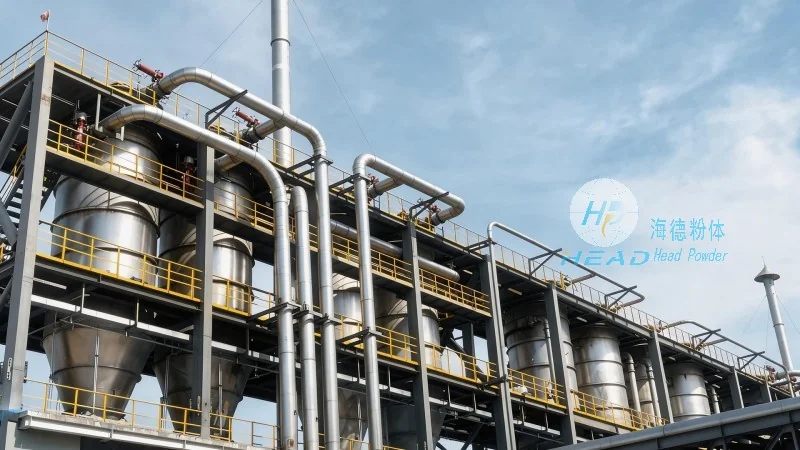
Shandong HeadPowder Engineering Co., Ltd., a leading provider of material handling solutions, specializes in designing and manufacturing pneumatic conveying systems tailored to the specific needs of polyethylene processing. With years of experience in the industry, HeadPowder has developed advanced systems that optimize polyethylene transport while ensuring compliance with safety and environmental standards. The company's team of engineers and technicians works closely with clients to understand their production requirements and recommend the most suitable pneumatic conveying solutions. Whether it's a pressure system for long-distance transport or a vacuum system for short-distance handling, HeadPowder offers customized solutions that enhance efficiency and reduce operational costs. The company's commitment to quality and innovation has made it a trusted partner for many polyethylene manufacturers and processors in China and beyond.
Conclusion: The Importance of Pneumatic Conveying in Polyethylene Industry
Pneumatic conveying is an indispensable technology in the polyethylene industry, enabling efficient, safe, and cost-effective material handling. By understanding the different types of systems and their applications, manufacturers can optimize their production processes and improve overall performance. With the expertise of companies like Shandong HeadPowder Engineering Co., Ltd., the industry can continue to leverage pneumatic conveying to meet the growing demand for polyethylene products while maintaining high standards of quality and safety.