

What is Gypsum Sand Pneumatic Conveying, Classification and Applications of Pneumatic Conveying
Pneumatic conveying is a critical technology in material handling, especially for transporting bulk materials like gypsum sand. This method involves moving solid particles through a pipeline using air or gas as the conveying medium. The process offers advantages such as flexibility, efficiency, and the ability to handle materials in a dust-free environment. Gypsum sand, a common raw material in construction and industrial sectors, often requires specialized handling due to its properties. Understanding the principles of pneumatic conveying for gypsum sand is essential for optimizing material transport and ensuring operational efficiency. In this article, we will explore what gypsum sand pneumatic conveying entails, the different classifications of pneumatic conveying systems, and their practical applications in real-world scenarios.
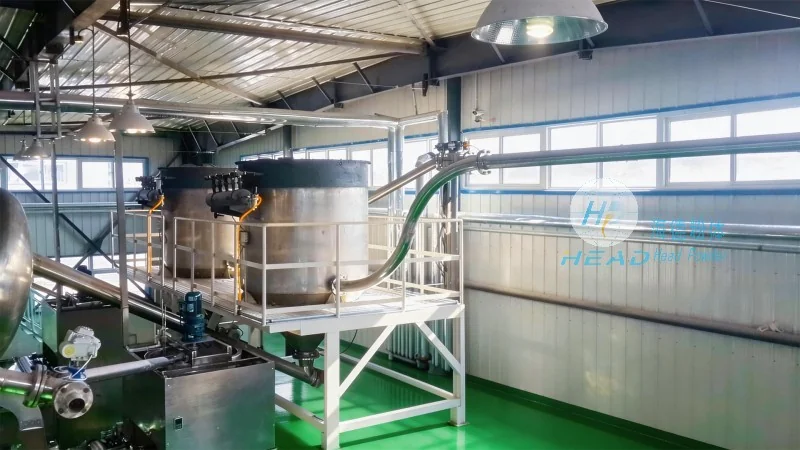
About Shandong HeadPowder Engineering Co., Ltd.
Shandong HeadPowder Engineering Co., Ltd., commonly known as HeadPowder, is a leading provider of pneumatic conveying solutions. With a strong presence in China, particularly in Shandong province, the company specializes in designing, manufacturing, and implementing advanced pneumatic conveying systems. HeadPowder's expertise lies in addressing the unique challenges of transporting materials like gypsum sand, ensuring reliable and efficient material handling for clients across various industries. The company's commitment to quality and innovation has established it as a trusted partner in the material handling sector.
Classification of Pneumatic Conveying Systems
Pneumatic conveying systems are typically classified based on the pressure of the conveying medium and the direction of material flow. The primary classifications include:
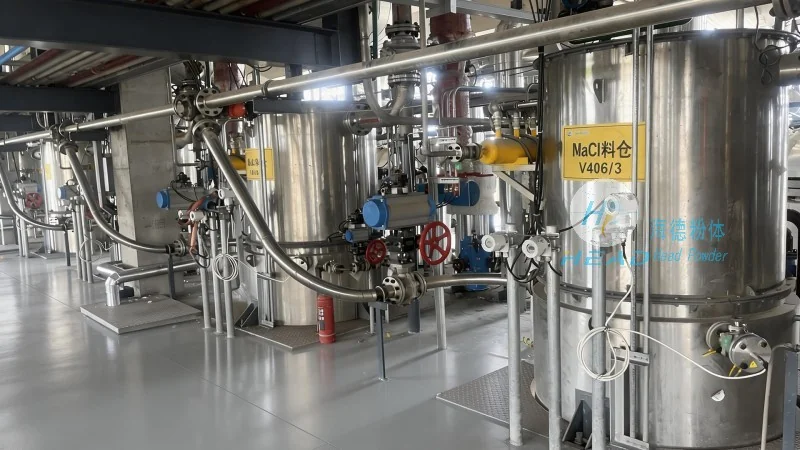
- Atmospheric or Vacuum Conveying (Suction Type): This system operates under negative pressure, drawing material from a source into a receiver. It is ideal for applications where the material needs to be transported from a lower elevation or where dust control is a priority. The suction type is commonly used for handling fine powders and granular materials like gypsum sand.
- Positive Pressure or Pressure Conveying (Blow Type): In this system, the conveying medium is under positive pressure, pushing material through the pipeline. It is suitable for long-distance transport and when the material needs to be moved to a higher elevation. Positive pressure systems are often used in industrial settings where high throughput is required.
- Mixed or Combined Conveying: This type combines elements of both suction and pressure systems. It can start with suction to draw material into a hopper and then use pressure to transport it to the destination. Mixed systems offer flexibility and are used in complex material handling processes.
Applications of Gypsum Sand Pneumatic Conveying
Gypsum sand is widely used in the production of gypsum products, including drywall, plaster, and cement additives. The efficient transport of gypsum sand is critical to the productivity and cost-effectiveness of these manufacturing processes. Pneumatic conveying systems are particularly well-suited for handling gypsum sand due to its fine particle size and tendency to generate dust. By using a pneumatic conveying system, manufacturers can minimize material loss, reduce contamination, and maintain a clean working environment. The technology also allows for the integration of multiple material handling processes, such as blending, drying, and packaging, into a single, streamlined operation.
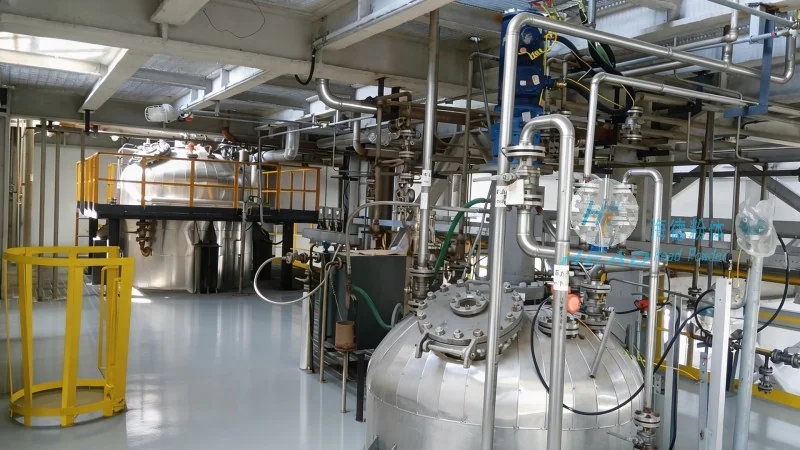
Advantages of Pneumatic Conveying for Gypsum Sand
Implementing pneumatic conveying for gypsum sand offers several advantages over traditional methods like belt conveyors or bucket elevators. These benefits include:
- Reduced Material Loss and Contamination: Pneumatic systems minimize the risk of material spillage and cross-contamination, which is crucial for maintaining product quality in gypsum applications.
- Flexibility in Layout: The ability to route the conveying line in various directions allows for more efficient use of space in industrial facilities.
- Improved Safety: By eliminating moving parts and open conveyor systems, pneumatic conveying reduces the risk of accidents and exposure to dust.
- Energy Efficiency: Modern pneumatic conveying systems are designed to be energy-efficient, reducing operational costs over time.
Conclusion
Gypsum sand pneumatic conveying is a sophisticated and effective method for transporting bulk materials in industrial applications. The classification of pneumatic conveying systems—suction, pressure, and mixed—provides flexibility to meet the specific needs of different operations. For industries dealing with gypsum sand, pneumatic conveying offers significant advantages in terms of efficiency, safety, and product quality. As a leading provider in the field, Shandong HeadPowder Engineering Co., Ltd. continues to innovate and provide tailored solutions to optimize material handling processes for its clients. By leveraging the expertise and technology of HeadPowder, businesses can enhance their operational performance and achieve greater success in the handling of gypsum sand and other bulk materials.