

What is PVC Pellet Pneumatic Conveying? Classification and Applications of Pneumatic Conveying Syste
Understanding PVC Pellet Pneumatic Conveying: Classification and Applications of Pneumatic Conveying Systems
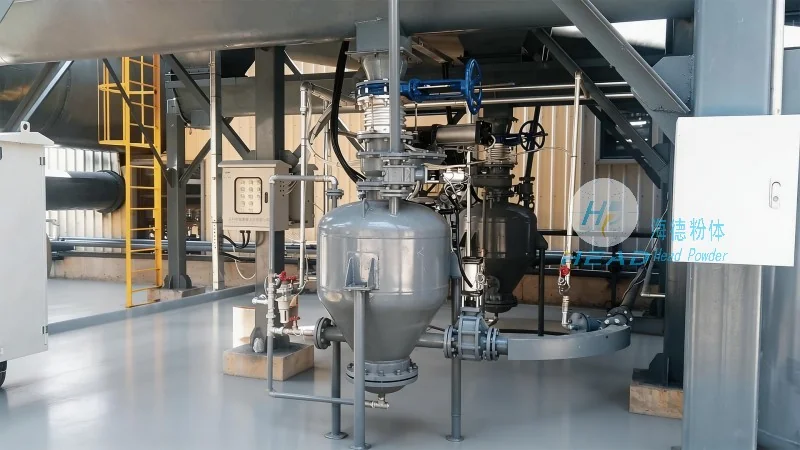
Introduction to PVC Pellet Pneumatic Conveying
PVC pellet pneumatic conveying is a method used to transport PVC pellets through a pipeline using air or gas as the conveying medium. This technology is widely adopted in the plastics processing industry due to its efficiency, flexibility, and ability to handle various materials, including PVC pellets. The process involves creating a pressure differential within the pipeline, which propels the pellets forward while maintaining their integrity and preventing degradation. HeadPowder, a leading provider in the field, specializes in designing and implementing such systems to meet the diverse needs of industrial applications.
Classification of Pneumatic Conveying Systems
Pneumatic conveying systems are categorized based on several key factors, including the pressure used, the direction of material flow, and the type of air movement. The primary classifications include:
- Positive Pressure Systems: These systems operate by blowing air into the pipeline, creating a pressure higher than the ambient air. The material is carried forward by the moving air stream. This type is suitable for short to medium-distance conveying and is commonly used for handling fine powders and pellets like PVC.
- Negative Pressure (Vacuum) Systems: In this system, air is drawn out of the pipeline, creating a vacuum that pulls the material into the line. It is ideal for applications requiring material to be drawn from multiple sources or over longer distances, though it may be less efficient for very fine powders.
- Combined Pressure-Vacuum Systems: These systems use both positive and negative pressure phases to optimize material transport. The positive pressure is used to push the material from the source, while the vacuum helps in the final stages of conveying, ensuring efficient and controlled movement.
Each classification has its advantages and is selected based on factors such as the material characteristics, conveying distance, and system layout. For PVC pellets, positive pressure systems are often preferred due to their ability to handle abrasive materials and maintain product quality.
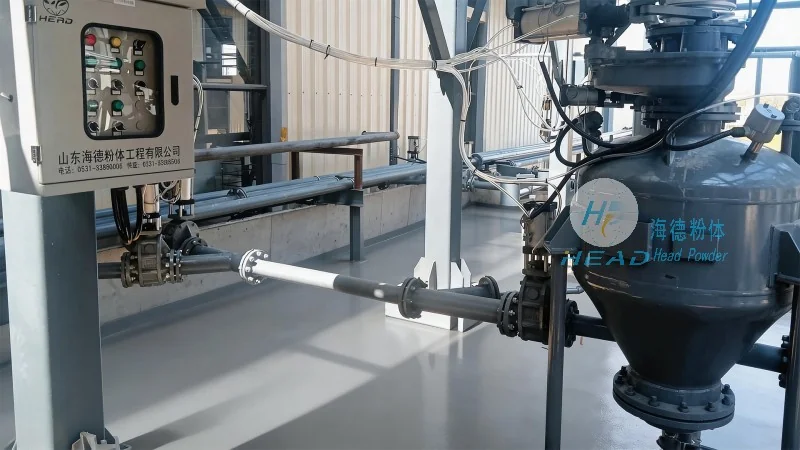
Applications of Pneumatic Conveying in PVC Processing
Pneumatic conveying plays a crucial role in various stages of PVC processing, from raw material handling to finished product packaging. Some key applications include:
- Raw Material Handling: Transporting PVC pellets from storage silos or bulk containers to processing lines. This ensures a continuous and clean supply of raw materials, reducing downtime and improving operational efficiency.
- In-Process Conveying: Moving PVC pellets between different processing units, such as from a drying unit to a mixing machine or from a mixing station to an extrusion line. This helps maintain a consistent flow and prevents material accumulation at any single point.
- Product Transfer: Conveying finished PVC products, such as pellets or granules, from the production line to storage or packaging areas. This ensures that the final product is handled gently, preserving its quality and preventing damage.
By utilizing pneumatic conveying, manufacturers can achieve higher throughput, reduce labor costs, and improve overall production efficiency. The technology also minimizes material contamination and dust exposure, contributing to a safer working environment.
HeadPowder: Your Expert Partner in Pneumatic Conveying Solutions
Shandong HeadPowder Engineering Co., Ltd., commonly known as HeadPowder, is a leading manufacturer and supplier of pneumatic conveying systems tailored for PVC and other plastic materials. With a strong commitment to quality and innovation, HeadPowder has established itself as a trusted name in the industry, providing comprehensive solutions that meet the specific requirements of clients worldwide.
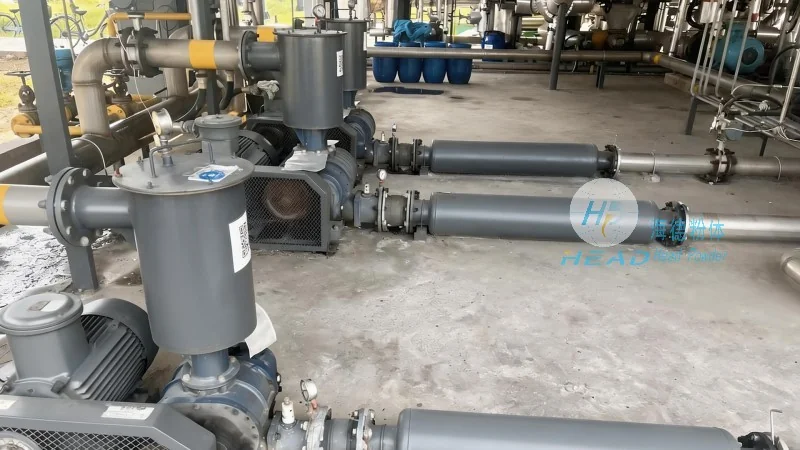
HeadPowder’s expertise lies in designing customized pneumatic conveying systems that optimize material handling processes. The company’s team of engineers and technicians work closely with clients to understand their operational needs, material characteristics, and production goals, ensuring that the final system is both efficient and cost-effective. From initial consultation to installation and after-sales support, HeadPowder offers end-to-end services to support clients throughout their entire project lifecycle.
HeadPowder’s facilities are located in Shandong, China, where the company leverages advanced manufacturing technologies and rigorous quality control measures to produce high-performance pneumatic conveying equipment. The company adheres to international standards and continuously invests in research and development to enhance its product offerings and stay ahead of industry trends.
Whether you are looking to improve your PVC pellet handling efficiency, reduce material loss, or enhance overall production throughput, HeadPowder offers tailored solutions that deliver measurable results. With a focus on reliability, durability, and customer satisfaction, HeadPowder is dedicated to helping businesses in the plastics industry achieve their operational objectives and maintain a competitive edge.