

What is Glass Particle Pneumatic Conveying, Classification and Applications of Pneumatic Conveying
HeadPowder, a leading provider in the field, offers comprehensive insights into the technology of glass particle pneumatic conveying. This method involves transporting solid materials, such as glass particles, through a pipeline using a gas stream, typically air. The process is widely used in various industries due to its efficiency and ability to handle delicate materials like glass without causing damage.
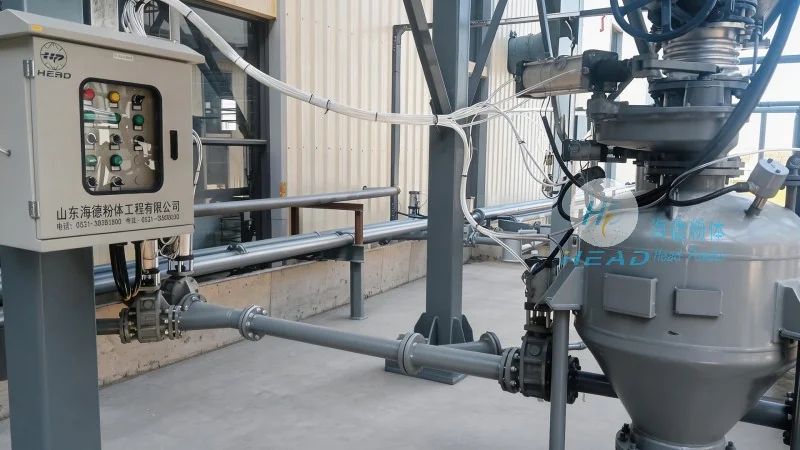
Key Components of Pneumatic Conveying Systems
A typical pneumatic conveying system consists of several key components. These include a material feed hopper, a conveyor line (either a pipeline or a duct), a blower or compressor to generate the air flow, and a receiver or collection tank. For glass particle applications, the system is designed to minimize friction and impact, ensuring the glass particles remain intact during transport. The choice of components depends on the specific requirements of the material being conveyed, including particle size, density, and the desired conveying distance.
Classification of Pneumatic Conveying Systems
Pneumatic conveying systems are generally classified into two main categories: positive pressure and negative pressure systems. Positive pressure systems use a blower to force air and material through the pipeline, making them suitable for long-distance and high-capacity applications. Negative pressure systems, on the other hand, use a vacuum to draw material into the system, which is ideal for short-distance or when the material needs to be collected from multiple points. Each type has its advantages and is selected based on the operational needs and the characteristics of the glass particles being handled.
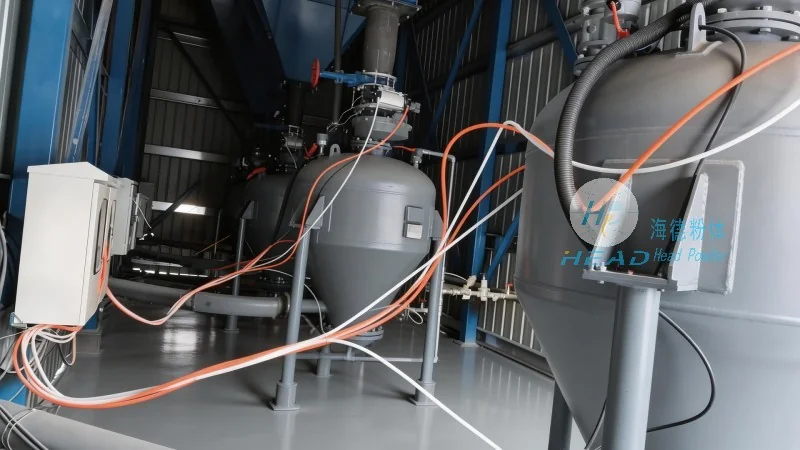
Applications of Glass Particle Pneumatic Conveying
The application of glass particle pneumatic conveying spans multiple industries. In the glass manufacturing sector, it is used to transport raw materials like sand, soda ash, and limestone to the production lines. The system ensures a consistent and clean supply of materials, which is crucial for maintaining the quality of the final glass products. Additionally, in the recycling industry, pneumatic conveying is employed to transport recycled glass particles from collection points to processing facilities. This method is particularly effective in handling fragile materials, as it reduces the risk of breakage compared to traditional bulk handling methods.
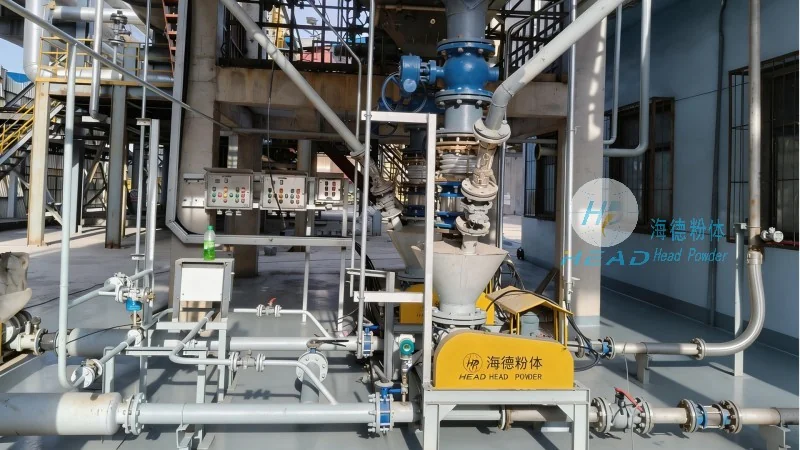
Advantages of Using Pneumatic Conveying for Glass Particles
There are several advantages to utilizing pneumatic conveying for glass particles. Firstly, it offers a dust-free and clean transport process, which is essential for maintaining the purity of the glass material. Unlike mechanical conveying systems, which can generate dust and cause contamination, pneumatic systems keep the material enclosed, preventing exposure to the environment. Secondly, the system is flexible and can be easily integrated into existing production lines. It allows for the transport of materials over varying distances and can be adjusted to handle different particle sizes and flow rates. Thirdly, the process is energy-efficient, especially when using positive pressure systems, as the blower can be optimized to deliver the required air volume with minimal energy consumption.
Considerations for Implementing Glass Particle Pneumatic Conveying
When implementing a glass particle pneumatic conveying system, several factors need to be considered. The first is the particle size and shape, as larger or irregularly shaped particles may require different system designs to prevent blockages. The second is the material's moisture content, as high moisture levels can affect the flow characteristics and may require additional drying steps before transport. Thirdly, the system's capacity and conveying distance must be carefully calculated to ensure efficient operation. HeadPowder, with its expertise in engineering and manufacturing, provides tailored solutions that address these considerations, ensuring optimal performance and reliability for glass particle handling.