

What is Polypropylene Pellet Pneumatic Conveying? Classification and Applications of Pneumatic Conve
For industrial operations involving polypropylene pellets, efficient material handling is crucial to maintain production flow and ensure product quality. Pneumatic conveying systems offer a versatile solution for transporting these lightweight, free-flowing plastic particles. This article explores the fundamentals of polypropylene pellet pneumatic conveying, outlines the key classifications of pneumatic conveying systems, and highlights practical applications across various industries.
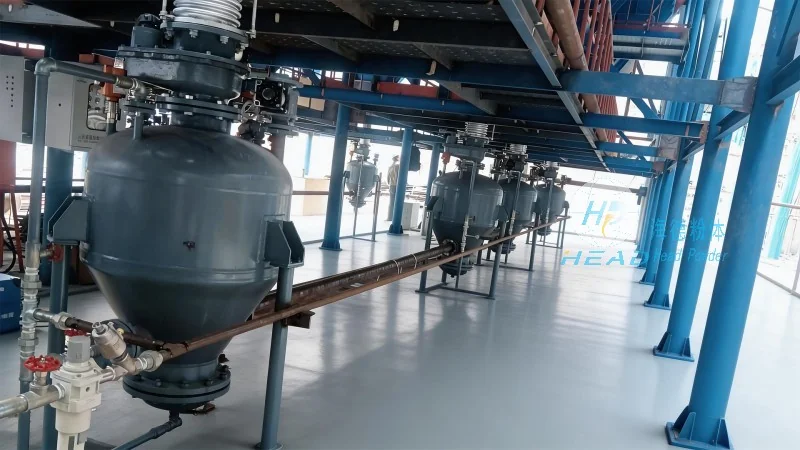
Understanding Polypropylene Pellet Pneumatic Conveying
Polypropylene (PP) pellets are widely used in manufacturing due to their durability, chemical resistance, and ease of processing. When handling these pellets, traditional methods like belt conveyors or bucket elevators may face challenges such as material degradation, dust generation, or uneven flow. Pneumatic conveying, which uses air or gas to transport solid materials, provides a clean, efficient alternative. In polypropylene pellet applications, this technology ensures minimal contamination, reduced labor costs, and improved safety by eliminating direct human contact with the material.
Classification of Pneumatic Conveying Systems
Pneumatic conveying systems are broadly categorized into two main types: positive pressure and negative pressure systems. Each type has distinct characteristics and is suited to different operational requirements.
Positive Pressure Pneumatic Conveying
Positive pressure systems operate by blowing air or gas into the conveying line, creating a pressure higher than the ambient environment. This method is ideal for transporting materials over long distances or through complex network configurations. The high pressure ensures consistent flow rates and can handle abrasive or sticky materials like polypropylene pellets. A typical setup includes a blower, a hopper for material storage, and a series of pipes with in-line valves and filters. Positive pressure systems are often preferred in applications where the material needs to be delivered to multiple destinations or integrated into existing production lines.
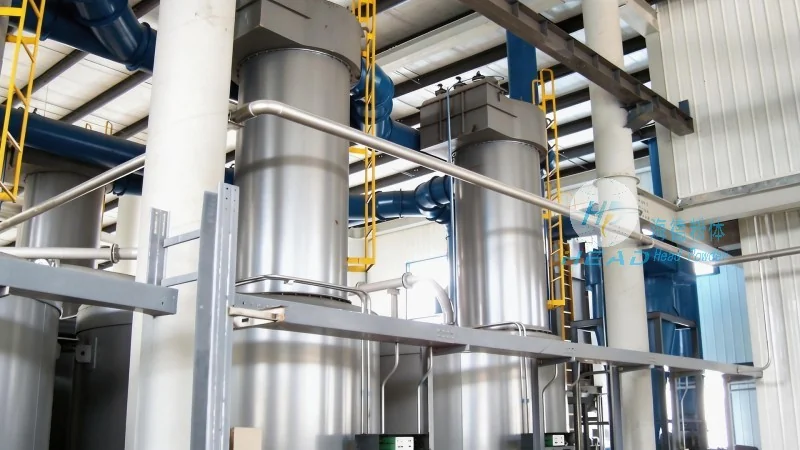
Negative Pressure Pneumatic Conveying
Negative pressure systems, also known as vacuum conveying, work by creating a vacuum inside the conveying line, drawing material from the source. This approach is well-suited for short to medium-distance transport and is commonly used for handling fine powders or granules. For polypropylene pellets, negative pressure systems are effective for transferring material from hoppers or silos to processing equipment. The vacuum helps maintain material integrity and reduces the risk of dust dispersion. However, these systems may have limitations in handling large quantities or long distances due to the energy required to maintain the vacuum.
Applications of Pneumatic Conveying in Polypropylene Processing
The versatility of pneumatic conveying makes it applicable across multiple stages of polypropylene pellet processing. From raw material storage and transfer to final product packaging, these systems enhance operational efficiency and product quality.
Raw Material Handling and Storage
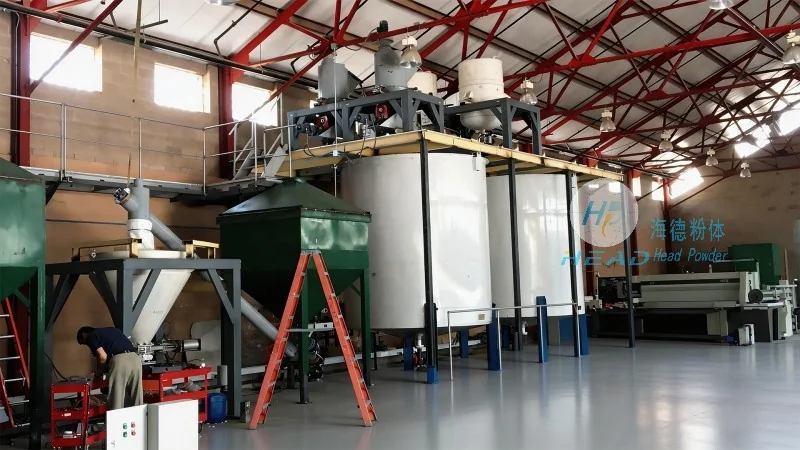
In the initial stages of polypropylene production, pellets are often stored in bulk containers or silos. Pneumatic conveying systems can efficiently transfer pellets from these storage units to the production line. This method minimizes the need for manual handling, reduces the risk of material spillage, and ensures a steady supply of raw material. Companies like Shandong HeadPowder Engineering Co., Ltd. specialize in designing custom pneumatic conveying solutions tailored to specific storage and handling needs, optimizing material flow and reducing downtime.
Processing and Manufacturing
During the manufacturing process, polypropylene pellets may require transport between different processing units, such as extruders, mixers, or molding machines. Pneumatic conveying allows for seamless integration of these equipment, ensuring that material is delivered at the right time and in the right quantity. This integration improves production throughput and reduces the likelihood of bottlenecks. For example, in the production of plastic films or fibers, pneumatic conveying can transport pellets directly to the extrusion line, maintaining consistent material properties and reducing the need for manual feeding.
Packaging and Distribution
After processing, polypropylene pellets are often packaged into bags or containers for distribution. Pneumatic conveying systems can also be used in packaging operations, such as filling bags or loading containers. This method ensures accurate and consistent filling, reducing waste and improving packaging efficiency. The clean and dust-free nature of pneumatic conveying is particularly beneficial in packaging applications, as it prevents contamination of the final product and maintains compliance with industry standards.
Benefits of Implementing Pneumatic Conveying for Polypropylene Pellets
Adopting pneumatic conveying systems for polypropylene pellet handling offers several advantages that contribute to overall operational efficiency and cost savings.
Clean and Dust-Free Operation
Unlike traditional mechanical conveyors, pneumatic systems operate in a closed environment, minimizing dust generation and ensuring a clean working environment. This is particularly important in polypropylene processing, where dust can affect product quality and pose health risks. The enclosed system also reduces the need for additional dust control measures, such as filtration or ventilation systems, lowering operational costs.
Reduced Maintenance and Downtime
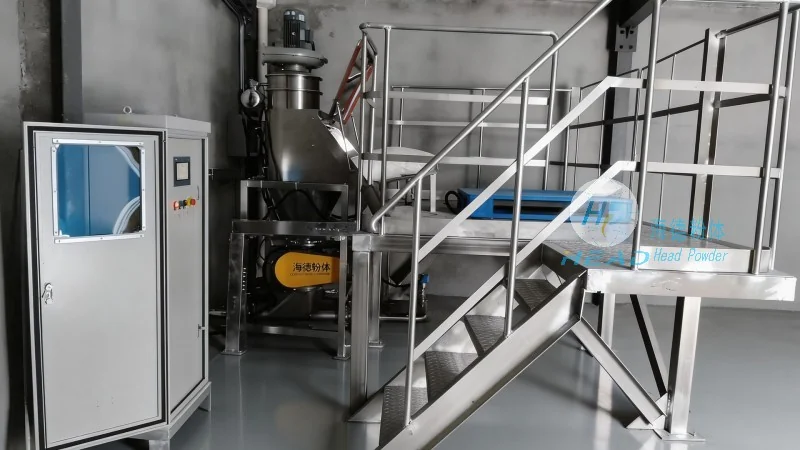
Pneumatic conveying systems have fewer moving parts compared to mechanical conveyors, resulting in lower maintenance requirements and reduced downtime. The absence of belts, chains, or buckets eliminates the risk of mechanical failure and the need for frequent repairs. This reliability ensures consistent material flow and minimizes disruptions to production schedules. Companies like Shandong HeadPowder Engineering Co., Ltd. provide comprehensive maintenance services and support to further enhance system longevity and operational reliability.
Energy Efficiency and Cost Savings
While initial investment in pneumatic conveying systems may be higher than traditional methods, the long-term energy savings and operational efficiency make it a cost-effective solution. Positive pressure systems, for instance, can achieve high flow rates with relatively low energy consumption, especially when transporting lightweight materials like polypropylene pellets. The ability to handle large volumes of material with minimal energy input reduces overall operational costs and improves the return on investment (ROI) over time.
Conclusion
Pneumatic conveying is a critical technology for efficiently handling polypropylene pellets in various industrial applications. By understanding the different classifications of pneumatic systems and their specific applications, manufacturers can optimize their material handling processes, improve product quality, and enhance overall operational efficiency. Companies such as Shandong HeadPowder Engineering Co., Ltd. offer specialized expertise in designing and implementing tailored pneumatic conveying solutions, ensuring that businesses can leverage this technology to achieve their production goals while maintaining cost-effectiveness and operational excellence.