

What is Expandable Polystyrene Pneumatic Conveying, Classification and Applications of Pneumatic Con
Expandable polystyrene (EPS) is a lightweight, closed-cell foam material widely used in construction for insulation, in packaging for protective cushioning, and in various industrial applications. Pneumatic conveying is a key technology for transporting EPS particles efficiently and safely. This method utilizes a stream of air or gas to move the material through a pipeline, offering advantages such as reduced labor costs, enhanced safety, and improved material handling capabilities. EPS particles are typically low in density and can be prone to dust generation, making pneumatic systems ideal for handling these characteristics without causing degradation or damage to the material.
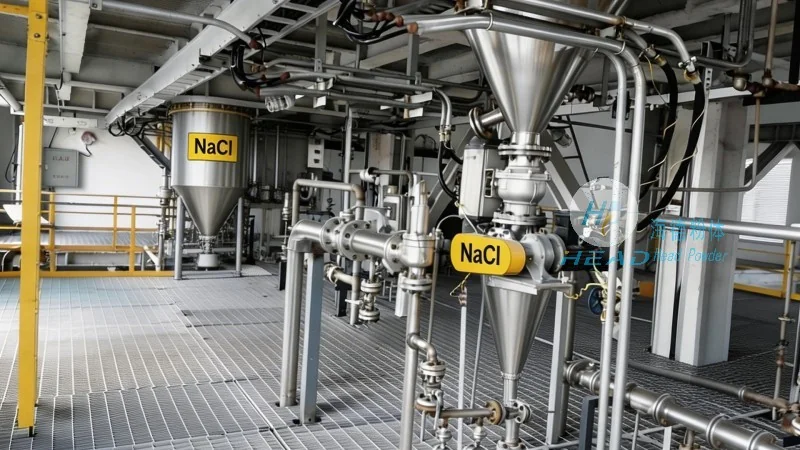
Pneumatic conveying systems for EPS are engineered to handle the material's unique properties. The systems consist of components like hoppers, conveyor lines, and receivers, with air supplied by a blower or compressor to create the necessary pressure or vacuum for transport. The technology ensures gentle movement of particles, minimizing breakage and preserving the foam's cellular structure, which is critical for maintaining insulation and cushioning performance. This approach is particularly beneficial in applications where traditional bulk handling methods may not be suitable due to the material's light weight and potential for dust.
Classification of Pneumatic Conveying Systems
Pneumatic conveying systems are classified based on several factors, including the pressure used, material flow direction, and operational principle. The primary categories are pressure systems and vacuum systems. Pressure systems employ compressed air to push the material forward, with air velocity exceeding the material's terminal velocity to ensure efficient transport. These systems are commonly applied for short to medium distances and for non-abrasive or low-dust materials. Vacuum systems, in contrast, use a vacuum to pull the material into the pipeline, often requiring higher air velocities to overcome the vacuum pressure and maintain flow. The choice between pressure and vacuum systems depends on the specific material properties, distance to be covered, and the required flow rate.
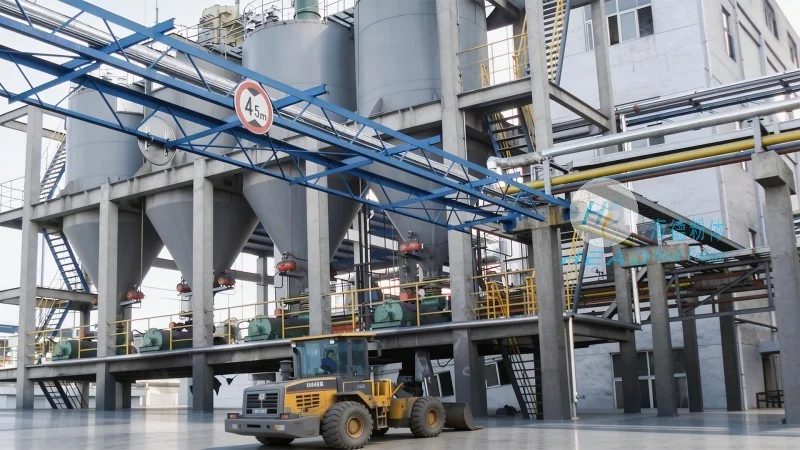
Within these main classifications, systems are further divided into dilute-phase and dense-phase types. Dilute-phase systems operate at higher air velocities, suspending material particles in the air stream. This method is energy-efficient and suitable for non-abrasive materials, as it reduces equipment wear and minimizes dust emissions. Dense-phase systems, however, operate at lower air velocities, moving material as a dense slug or plug through the pipeline. This approach is ideal for handling abrasive or dusty materials, as it reduces wear on components and improves material integrity. The selection between dilute-phase and dense-phase systems is determined by the material's characteristics, the distance of transport, and the desired flow rate and pressure.
Applications of Pneumatic Conveying in EPS Handling
EPS is frequently transported using pneumatic conveying systems due to its low density and the need for precise, low-impact handling. Common applications include transporting EPS from bulk storage silos to manufacturing facilities, moving material between production lines for processing into insulation boards or packaging products, and delivering EPS to construction sites for on-site installation. The systems are designed to maintain consistent flow rates and particle size distribution, which is essential for ensuring the quality of the final EPS products. For instance, in the construction industry, EPS is often conveyed from a storage silo to a mixing plant where it is combined with other materials to create insulated concrete forms (ICFs). The pneumatic system ensures even distribution of EPS particles, preventing clumping and preserving the desired insulation properties.
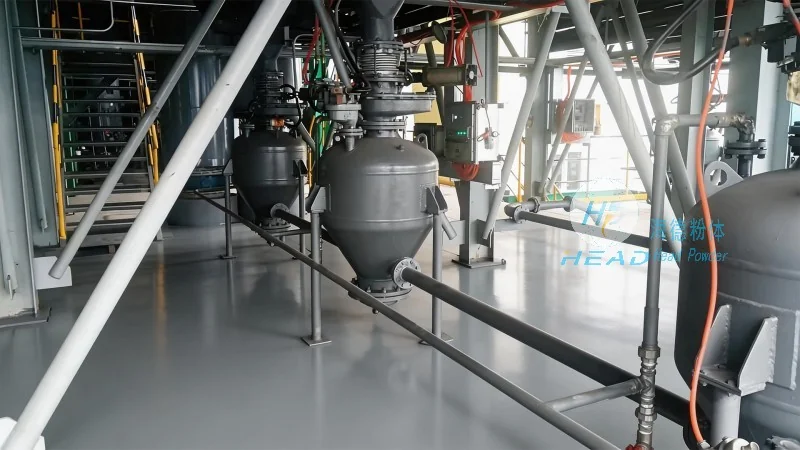
In the packaging industry, EPS is used as a cushioning material for delicate products. Pneumatic conveying systems are used to transport the EPS from a production line to packaging stations, where it is cut and molded into protective packaging. The gentle handling provided by the pneumatic system is crucial to avoid damaging the EPS foam, which would compromise its protective properties. Additionally, pneumatic conveying allows for the integration of automated processes, such as material feeding and packaging, improving overall efficiency and reducing labor costs. These applications highlight the importance of pneumatic conveying in maintaining product quality and operational efficiency for EPS handling.
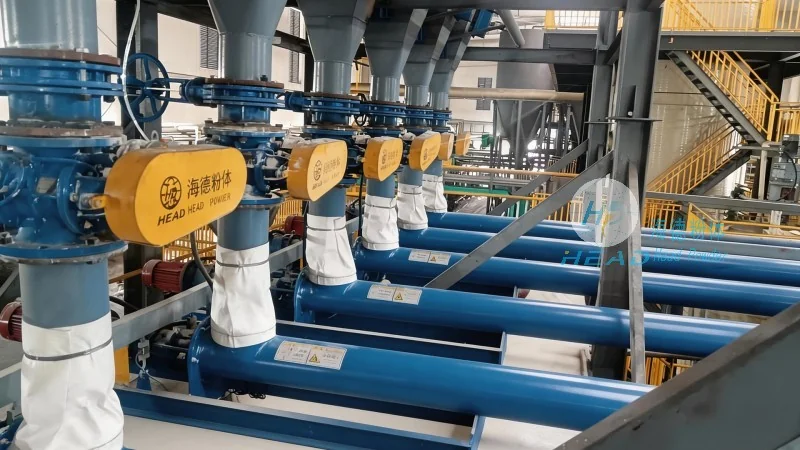
About Shandong HeadPowder Engineering Co., Ltd.
Shandong HeadPowder Engineering Co., Ltd., also known as HeadPowder, is a leading provider of pneumatic conveying solutions for various industrial applications. HeadPowder specializes in designing and manufacturing systems tailored to the specific needs of clients, with a focus on innovation and customer satisfaction. The company's headquarters is located in Shandong, China, where it operates a state-of-the-art facility for research, development, and production. HeadPowder's team of engineers and technicians is dedicated to providing customized solutions that ensure optimal performance and reliability of pneumatic conveying systems.
HeadPowder's expertise lies in the development of efficient and cost-effective pneumatic conveying solutions for EPS and other lightweight materials. The company continuously researches and improves its systems to enhance material handling capabilities and reduce operational costs. By leveraging its experience and technical knowledge, HeadPowder helps clients streamline their production processes and improve overall productivity. The company's commitment to quality and customer satisfaction has established it as a trusted partner in the industry, serving clients in sectors such as construction, packaging, and manufacturing for many years.