

Classification and Application Analysis of Industrial Alkali Pneumatic Conveying Systems
Industrial alkali pneumatic conveying systems are critical infrastructure in various manufacturing and processing industries, particularly those dealing with caustic materials. These systems utilize air or gas to transport alkali substances such as sodium hydroxide, potassium hydroxide, and other caustic chemicals from one location to another within a facility. The efficiency and reliability of these systems directly impact production throughput, safety, and operational costs. This article provides an overview of the classification of industrial alkali pneumatic conveying systems and their practical applications, with a focus on the expertise of Shandong HeadPowder Engineering Co., Ltd., a leading provider in the field.
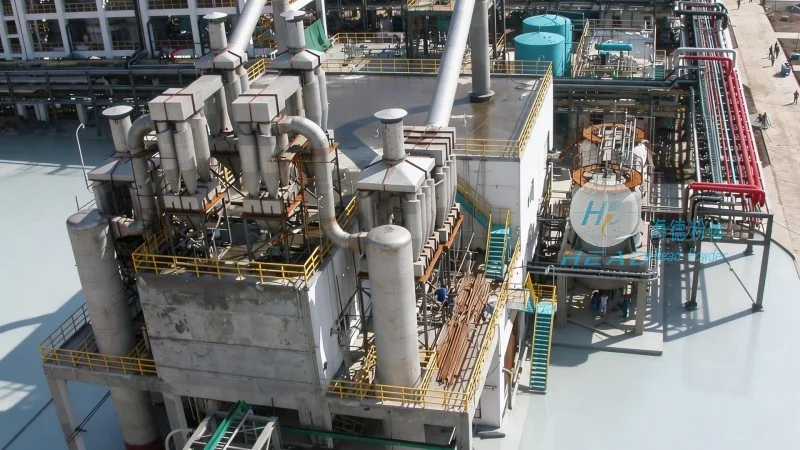
Company Profile: Shandong HeadPowder Engineering Co., Ltd.
HeadPowder, as the company is commonly known, is a reputable enterprise based in Shandong, China. Specializing in engineering solutions for material handling, the company has built a strong reputation for delivering high-quality pneumatic conveying systems tailored to the unique needs of industrial clients. With a deep understanding of caustic material properties and the challenges associated with their handling, HeadPowder has developed advanced systems that ensure safe, efficient, and cost-effective transport of alkali substances. The company’s commitment to innovation and customer satisfaction has made it a trusted partner for businesses operating in chemical, pharmaceutical, and other industries that rely on reliable alkali material transport solutions.
Classification of Industrial Alkali Pneumatic Conveying Systems
Industrial alkali pneumatic conveying systems can be broadly classified into two main categories based on the pressure differential used to move materials: positive pressure systems and negative pressure systems. Each type has distinct characteristics and is suitable for different operational requirements.
Positive Pressure Pneumatic Conveying Systems
Positive pressure systems operate by blowing air or gas into the conveying line, creating a pressure higher than the ambient air pressure. This method is commonly used for long-distance or high-capacity transport of alkali materials. The system typically includes a blower or compressor at the inlet, a hopper or feeder to introduce the material, and a series of pipes and fittings to direct the flow. Positive pressure systems are effective for transporting materials over distances of several hundred meters and can handle a wide range of particle sizes and flow rates. They are particularly suitable for applications where the material needs to be transported to a higher elevation or over obstacles. The primary advantage of positive pressure systems is their ability to handle abrasive or corrosive materials without significant wear on the system components, making them ideal for caustic alkali transport.
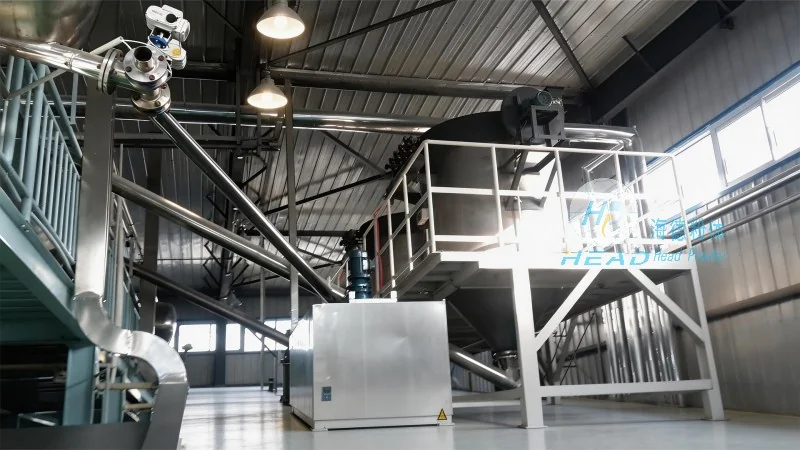
Negative Pressure Pneumatic Conveying Systems
Negative pressure systems, also known as vacuum systems, operate by creating a vacuum in the conveying line, drawing material from the source into the system. This method is often used for short-distance or low-capacity transport, as well as for applications requiring dust collection and containment. The system includes a vacuum pump or fan at the outlet, a hopper or feeder, and a collection point where the material is discharged. Negative pressure systems are effective for handling fine powders or granules and can be integrated with dust collection equipment to maintain a clean and safe working environment. They are particularly suitable for applications where the material is sensitive to air exposure or where dust control is a priority. The main advantage of negative pressure systems is their ability to minimize dust emissions and provide a more controlled environment for material handling.
Application Analysis in Industrial Settings
The application of industrial alkali pneumatic conveying systems varies across different industries, each with specific requirements for material handling. Understanding these applications helps in selecting the most appropriate system for a given operation.
Chemical Manufacturing
In the chemical industry, alkali materials are widely used in the production of soaps, detergents, and other consumer products. Pneumatic conveying systems are essential for transporting these materials from storage silos to processing units. For example, sodium hydroxide, a key ingredient in many chemical processes, is often transported via positive pressure systems due to its high reactivity and the need for efficient, continuous flow. The systems used in chemical manufacturing must be designed to withstand the corrosive nature of caustic materials and to prevent leaks or spills that could lead to safety hazards. HeadPowder’s expertise in chemical processing applications has enabled the company to develop systems that meet the stringent safety and performance standards of the industry.
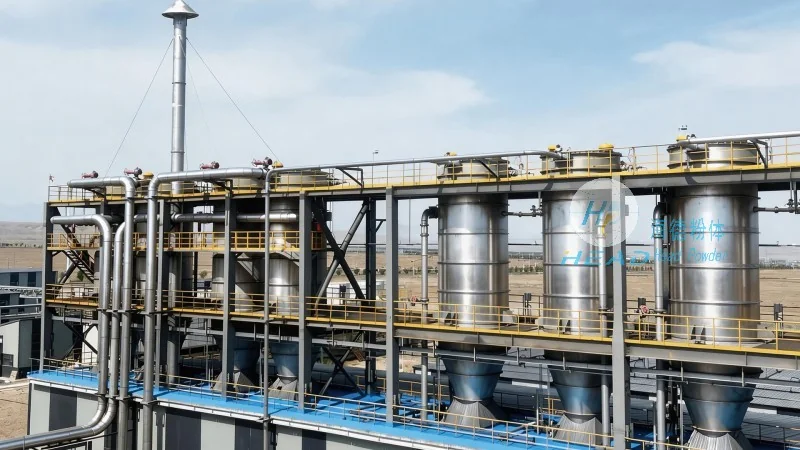
Pharmaceutical Industry
The pharmaceutical industry requires stringent controls over material handling to ensure product purity and safety. Alkali substances used in pharmaceutical manufacturing, such as potassium hydroxide, are transported using negative pressure systems to minimize dust and contamination. These systems are often integrated with closed-loop designs to prevent exposure to the environment and to maintain a sterile environment. The pharmaceutical sector demands high levels of cleanliness and reliability, which HeadPowder’s systems are engineered to provide. The company’s focus on precision and quality control has made its pneumatic conveying solutions a preferred choice for pharmaceutical manufacturers.
Food and Beverage Processing
In the food and beverage industry, alkali materials are used in processes such as neutralization, cleaning, and flavor enhancement. Pneumatic conveying systems are used to transport these materials from bulk storage to processing lines. The systems must be designed to be hygienic and easy to clean, as per food safety regulations. For instance, systems used in food processing often incorporate stainless steel components and sealed connections to prevent contamination. HeadPowder’s systems are designed with these considerations in mind, ensuring compliance with industry standards like FDA and HACCP. The company’s experience in handling food-grade materials has allowed it to develop systems that are both efficient and safe for use in food processing environments.
Key Considerations for Selecting an Industrial Alkali Pneumatic Conveying System
When selecting an industrial alkali pneumatic conveying system, several factors must be considered to ensure optimal performance and safety. These factors include the type of alkali material being transported, the distance and elevation changes, the required flow rate, and the environmental conditions of the facility.
Material Properties
The physical and chemical properties of the alkali material, such as particle size, density, and reactivity, play a crucial role in system selection. For example, fine powders may require negative pressure systems to prevent dust dispersion, while coarse granules may be better suited for positive pressure systems. The corrosive nature of caustic materials also necessitates the use of materials like stainless steel or special coatings for system components to prevent degradation and ensure longevity.
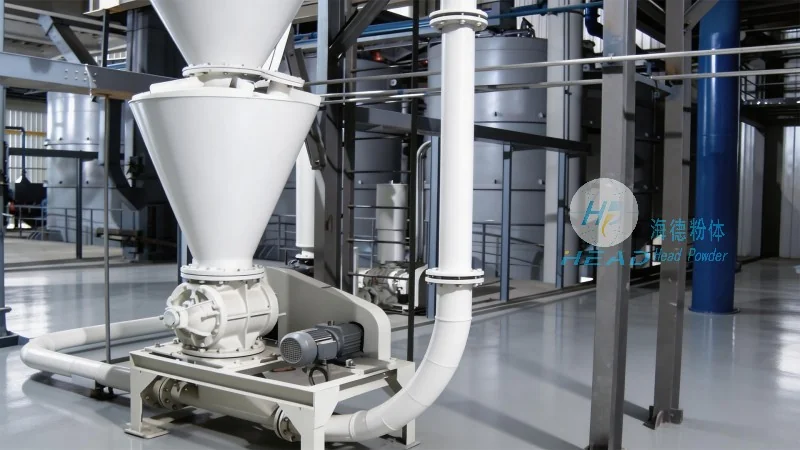
System Capacity and Distance
The required capacity and the distance over which the material needs to be transported determine whether a positive or negative pressure system is more appropriate. Positive pressure systems are generally preferred for long-distance or high-capacity applications, while negative pressure systems are more suitable for short distances or low-capacity needs. The choice of system also affects the energy consumption and operational costs, as positive pressure systems typically require more power than negative pressure systems.
Environmental and Safety Requirements
Industrial facilities must comply with environmental regulations and safety standards when handling caustic materials. Pneumatic conveying systems must be designed to minimize dust emissions and prevent leaks or spills that could pose health risks. HeadPowder’s systems incorporate features such as dust collection, sealed connections, and emergency shut-off valves to ensure compliance with these requirements. The company’s commitment to safety and environmental responsibility is reflected in its product design and installation practices.
Conclusion
Industrial alkali pneumatic conveying systems are vital components in the efficient and safe handling of caustic materials across various industries. The classification of these systems into positive and negative pressure types, along with their specific applications in chemical, pharmaceutical, and food processing industries, highlights the importance of selecting the right system based on operational needs. Shandong HeadPowder Engineering Co., Ltd. has established itself as a leading provider of such systems, leveraging its expertise and innovation to deliver solutions that meet the demanding requirements of modern industrial operations. By understanding the characteristics and applications of different pneumatic conveying systems, businesses can make informed decisions to enhance their material handling processes and improve overall operational efficiency.