

Classification and Application Analysis of Wheat Flour Pneumatic Conveying Systems
Wheat flour pneumatic conveying systems are integral to the flour milling industry, engineered to efficiently transport bulk wheat flour from storage silos to processing lines or packaging stations. These systems utilize air pressure to move materials, offering advantages over traditional mechanical methods such as reduced labor costs, enhanced hygiene, and improved safety by minimizing direct human contact with flour. The classification of these systems is determined by key operational factors, including the conveying principle (pressure or vacuum), material flow direction, and system pressure, which directly influence their suitability for diverse production environments and flour characteristics.
Types of Wheat Flour Pneumatic Conveying Systems
Two primary categories of pneumatic conveying systems are widely used in wheat flour handling: pressure and vacuum systems. Pressure systems operate by blowing air into the conveying line under positive pressure, propelling flour forward. This method is ideal for long-distance and high-capacity applications, as it maintains consistent flow rates and effectively handles abrasive or fine materials. Vacuum systems, conversely, use suction to draw flour into the line, making them suitable for short-distance or low-volume tasks where gentle handling is required to prevent product degradation. Each system type has distinct advantages and limitations, necessitating careful evaluation based on the specific needs of a flour processing facility.
Key Components of a Wheat Flour Pneumatic Conveying System
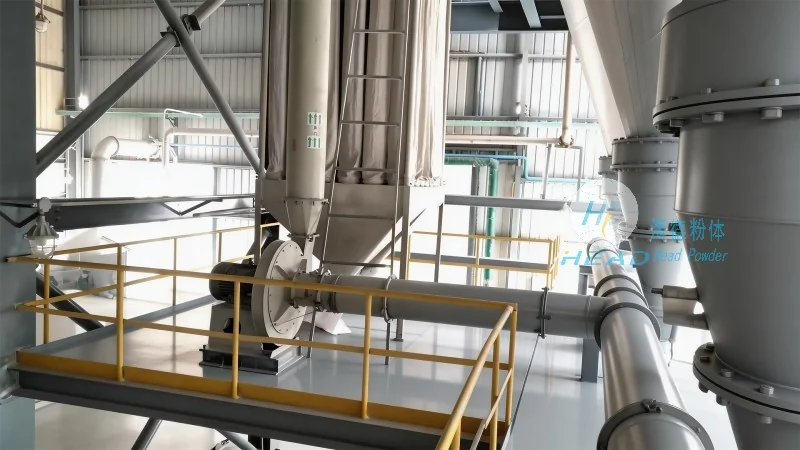
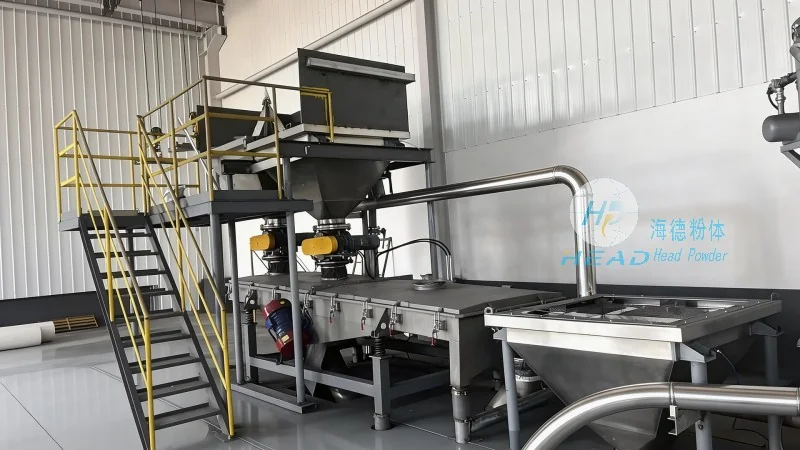
The performance of a wheat flour pneumatic conveying system relies on its integrated components, which work in concert to ensure smooth operation. Core components include a storage hopper or silo, a feeder to regulate material flow, a stainless steel conveying line to prevent contamination, a dust collector to capture airborne particles, and a control system to manage pressure and flow rates. The feeder is particularly critical, as it must maintain a consistent feed rate to avoid system blockages or uneven flow. The dust collector is vital for maintaining air quality and preventing flour loss, which is essential for operational efficiency and environmental compliance. Additionally, the conveying line’s material and diameter are selected based on the flour’s particle size and moisture content to ensure optimal performance.
Application Analysis in Different Flour Processing Scenarios
Wheat flour pneumatic conveying systems are applied across various flour mill scenarios, each tailored to specific production requirements. In large-scale industrial mills, pressure systems are commonly employed to transport flour from storage silos to the packaging line over distances of several hundred meters, ensuring high throughput and minimal downtime. For smaller or specialized facilities, vacuum systems may be preferred to handle fine or sensitive flour varieties, where gentle handling prevents product degradation. The choice of system also depends on the flour’s moisture content; for high-moisture flour, systems may include additional drying or moisture control mechanisms to prevent caking or blockages. These applications highlight the adaptability of pneumatic conveying systems to meet diverse operational needs in the flour industry.
Advantages and Considerations for Wheat Flour Pneumatic Conveying
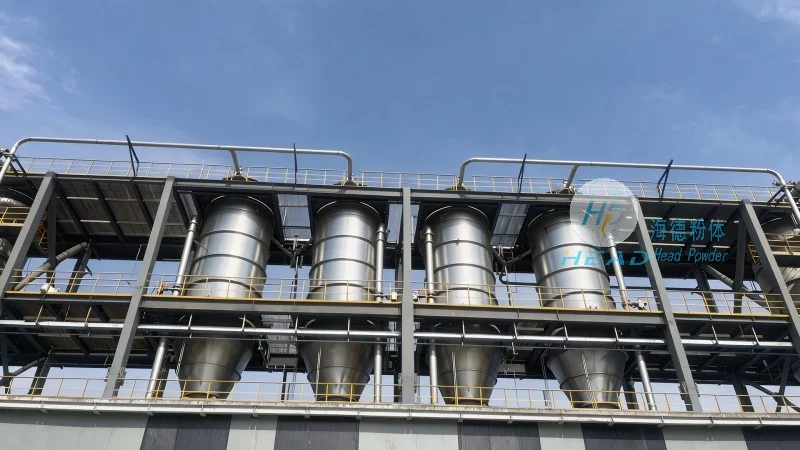
Implementing a pneumatic conveying system for wheat flour offers several benefits, including improved hygiene by enclosing the material transport process and reducing exposure to external contaminants. Additionally, these systems mitigate the risk of dust explosions, a common hazard in flour handling, by controlling air flow and eliminating static electricity. However, considerations such as regular maintenance are essential to ensure long-term efficiency. This includes cleaning the conveying line to prevent flour buildup, checking the dust collector for clogs, and monitoring the feeder for wear and tear. Proper maintenance is crucial to extend the system’s lifespan and maintain consistent performance, ensuring operational reliability and cost-effectiveness.
Case Study: HeadPowder Engineering's Solutions for Wheat Flour Conveying
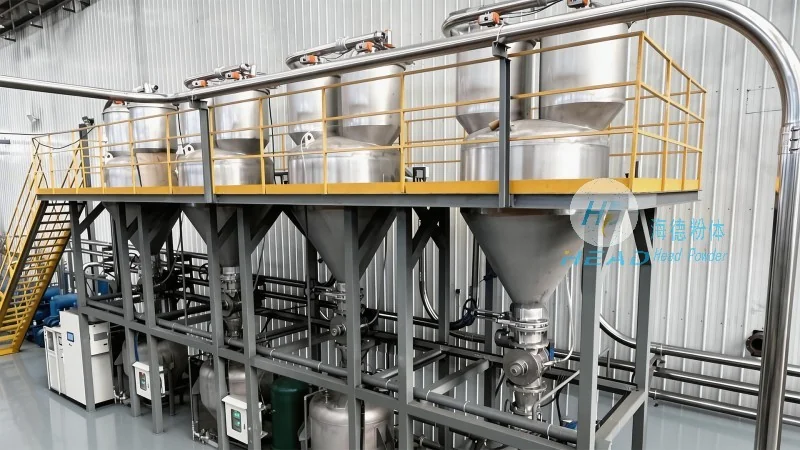
Shandong HeadPowder Engineering Co., Ltd., a leading manufacturer of flour processing equipment, specializes in designing and manufacturing customized pneumatic conveying systems tailored to the unique needs of flour mills. With extensive industry experience, HeadPowder provides solutions that address specific challenges faced by clients. For example, a client in Shandong, China, required a pressure system to transport wheat flour from a 50-ton silo to the packaging line over a distance of 300 meters. HeadPowder’s engineers designed a system featuring a high-capacity feeder, a 200mm-diameter stainless steel conveying line, and a dust collector with a 10,000 cubic meters per hour filtration capacity. The system was installed and commissioned, achieving a throughput of 15 tons per hour with minimal downtime. This case study demonstrates the effectiveness of HeadPowder’s solutions in optimizing flour handling processes and enhancing overall operational efficiency.
Conclusion and Future Trends in Wheat Flour Pneumatic Conveying
Wheat flour pneumatic conveying systems remain a cornerstone of modern flour milling operations, offering efficient, hygienic, and safe material transport solutions. The classification and application of these systems continue to evolve with technological advancements, such as variable speed feeders and intelligent control systems that enhance performance and reduce downtime. For businesses in the flour industry, selecting the right pneumatic conveying system is critical to maintaining productivity and meeting quality standards. By partnering with experienced manufacturers like Shandong HeadPowder Engineering Co., Ltd., flour mills can invest in reliable, long-lasting systems that align with their operational requirements and contribute to long-term success in the competitive flour market.