

Classification and Application Analysis of White Mud Pneumatic Conveying Systems
White mud, a byproduct commonly generated in the papermaking industry, poses significant challenges for handling and transportation due to its high moisture content and fine particle characteristics. Pneumatic conveying systems have emerged as an effective solution for transporting white mud from production sites to treatment or disposal facilities. This article provides a comprehensive classification of white mud pneumatic conveying systems and analyzes their practical applications, with a focus on the technical aspects and operational considerations.
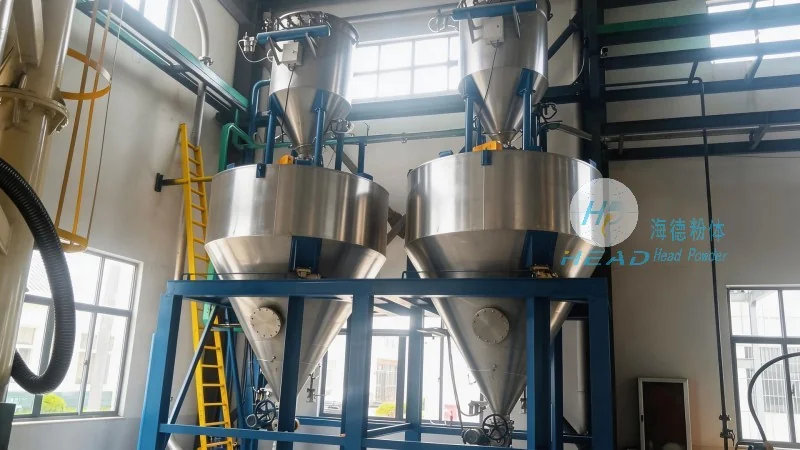
Introduction to White Mud Pneumatic Conveying Systems
White mud, also known as sludge, is a mixture of water, cellulose fibers, and other organic/inorganic components produced during the bleaching and washing stages of paper manufacturing. Its properties, such as high moisture levels (often exceeding 80%) and fine particle sizes (ranging from sub-micron to several microns), make traditional gravity or mechanical conveying methods inefficient and costly. Pneumatic conveying systems utilize compressed air or gas to transport the white mud in a fluidized or suspended state, offering advantages like reduced equipment wear, lower energy consumption compared to some mechanical systems, and the ability to handle high moisture content materials.
Classification of White Mud Pneumatic Conveying Systems
White mud pneumatic conveying systems can be broadly classified based on the mode of material transport and the pressure used. The primary categories include:
1. Dilute Phase Pneumatic Conveying
Dilute phase systems operate at relatively low pressure (typically 0.5 to 2 bar) and transport the material in a dilute suspension, where the particles are dispersed in the air stream. This method is suitable for short to medium distances (up to several hundred meters) and low to moderate material flow rates. The system typically consists of a feed hopper, a rotary airlock valve, a venturi or pipeline with a pressure regulator, and a receiver or treatment unit. The key advantage is its simplicity and low initial cost, making it suitable for applications where the distance and flow rate are manageable.
2. Dense Phase Pneumatic Conveying
Dense phase systems operate at higher pressures (2 to 10 bar or more) and transport the material in a dense, plug-like flow. The material is conveyed in a more concentrated state, reducing the risk of particle degradation and equipment wear. This method is ideal for longer distances (up to several kilometers) and higher material flow rates, as well as for sensitive materials that require gentle handling. The system includes a positive displacement blower or compressor, a feed hopper with a metering device, and a receiver with a pressure relief valve. Dense phase conveying is particularly effective for white mud due to its ability to maintain the material's integrity during transport.
3. Hybrid Pneumatic Conveying Systems
Hybrid systems combine elements of both dilute and dense phase operations. They may use a combination of low and high pressure sections along the conveying line, allowing for flexibility in handling varying material properties and distances. For example, a system might start with a dilute phase to transport the material over a short initial segment and then switch to a dense phase for the remainder of the route. This approach optimizes energy usage and equipment performance while accommodating diverse operational requirements.
Key Components and Operational Principles
Regardless of the classification, white mud pneumatic conveying systems share common components and operational principles. The core components include:
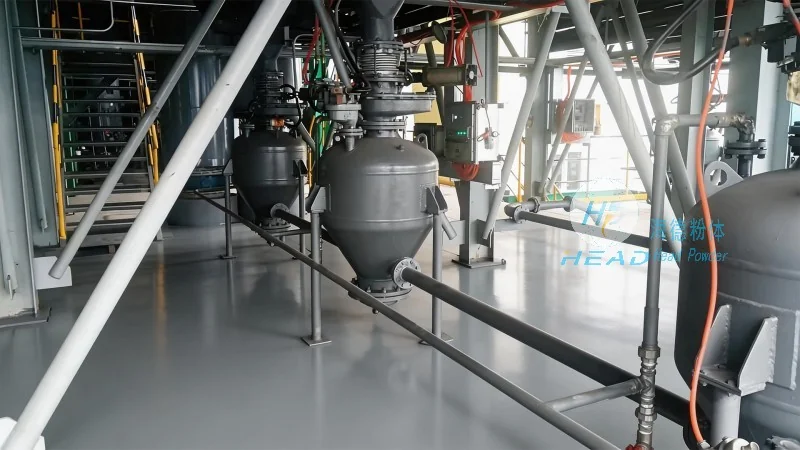
Feed Hopper and Rotary Airlock Valve
The feed hopper is used to store and feed the white mud into the system. It is typically equipped with a level indicator and a discharge valve to control the material flow rate. The rotary airlock valve, located at the outlet of the hopper, prevents backflow of air and ensures a consistent material feed into the conveying line. This component is critical for maintaining system stability and preventing air leakage.
Compressor or Blower Unit
The compressor or blower generates the necessary air pressure to transport the white mud. Positive displacement blowers are commonly used in dense phase systems due to their ability to maintain high pressure and stable flow rates. Centrifugal blowers are often employed in dilute phase systems for lower pressure applications. The selection of the compressor type depends on the system pressure, flow rate, and the specific characteristics of the white mud.
Venturi or Conveying Pipeline
The venturi or pipeline is the main transport channel for the white mud. In dilute phase systems, the venturi nozzle creates a low-pressure zone that draws the material into the air stream. The pipeline is usually made of corrosion-resistant materials, such as stainless steel or polyethylene, to withstand the acidic and abrasive nature of white mud. The pipeline diameter and length are carefully designed to ensure efficient material transport and minimize pressure drop.
Receiver and Filtration System
The receiver is the terminal unit where the white mud is deposited after transport. It is typically equipped with a dust collection system to capture any fine particles that may escape during the conveying process. The filtration system may include cyclones, bag filters, or electrostatic precipitators, depending on the required level of air purification and compliance with environmental regulations. The receiver also includes a pressure relief valve to prevent over-pressurization and ensure safe operation.
Application Analysis of White Mud Pneumatic Conveying Systems
The choice of pneumatic conveying system for white mud applications depends on several factors, including the distance to be covered, the material flow rate, the required material handling speed, and the environmental regulations. The following are typical applications where white mud pneumatic conveying systems are widely used:
1. Transportation from Paper Mills to Treatment Facilities
Many paper mills generate large volumes of white mud that need to be transported to wastewater treatment plants or sludge drying facilities. Pneumatic conveying systems are ideal for this application as they can handle high moisture content and fine particles over long distances. For example, a mill located in Shandong, China, may use a dense phase system to transport white mud from the production line to a nearby treatment plant, ensuring efficient and environmentally compliant handling of the byproduct.
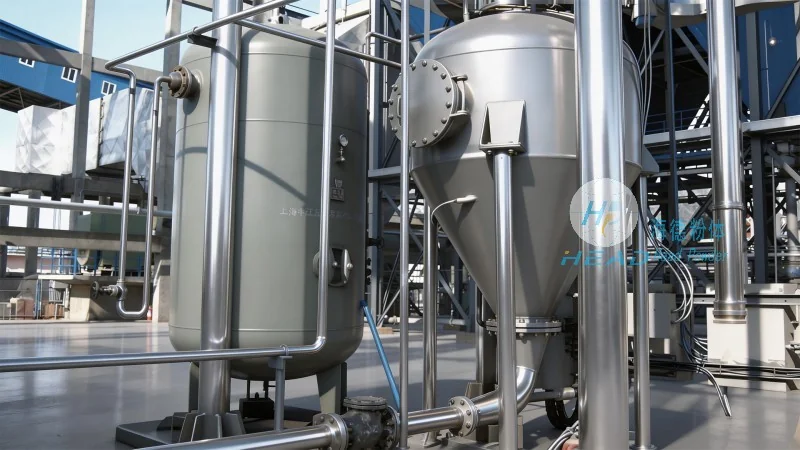
2. Recycling and Reuse of White Mud
In some advanced papermaking processes, white mud is recycled and reused as a raw material in the paper production process. Pneumatic conveying systems enable the efficient transport of the recycled white mud from the treatment facility back to the paper machine. This closed-loop system reduces waste and lowers the overall cost of production. The system must be designed to maintain the material's quality and prevent contamination during transport.
3. Disposal and Landfill Management
For paper mills that do not have on-site treatment facilities, white mud may be transported to off-site landfills or disposal sites. Pneumatic conveying systems provide a cost-effective and environmentally friendly method for transporting the material, avoiding the use of trucks and reducing transportation-related emissions. The system must comply with local environmental regulations regarding air emissions and material handling.
Operational Considerations and Best Practices
Successfully implementing white mud pneumatic conveying systems requires careful consideration of several operational factors to ensure efficiency, reliability, and compliance with regulations:
Material Properties and Moisture Content
The properties of white mud, such as its moisture content, particle size distribution, and pH level, significantly impact the performance of the pneumatic conveying system. High moisture content can lead to increased pressure drop and equipment wear, while fine particles may cause blockages in the pipeline. Regular monitoring and adjustment of the system parameters are necessary to maintain optimal performance.
System Sizing and Design
Proper system sizing is crucial for efficient operation. The conveying line diameter, length, and pressure must be matched to the material flow rate and the distance to be covered. Under-sizing the system can lead to excessive pressure drop and reduced conveying efficiency, while over-sizing may result in unnecessary energy consumption and higher costs. Engineers should conduct detailed calculations based on the material characteristics and operational requirements.
Preventive Maintenance
Pneumatic conveying systems require regular maintenance to prevent failures and ensure long-term reliability. Key maintenance tasks include cleaning the pipeline and components to remove accumulated white mud, inspecting and replacing worn parts (such as seals and bearings), and checking the performance of the compressor and filtration system. A well-maintained system can reduce downtime and lower the total cost of ownership.