

Classification and Application Analysis of Clay Pneumatic Conveying Systems
HeadPowder, a leading enterprise in the field of material handling solutions, specializes in the design, manufacturing, and installation of advanced pneumatic conveying systems. With a focus on clay processing applications, the company has developed a comprehensive range of systems tailored to meet the diverse needs of the industry. This article provides an in-depth classification of clay pneumatic conveying systems and an analysis of their practical applications, highlighting the technical advantages and operational benefits they offer.
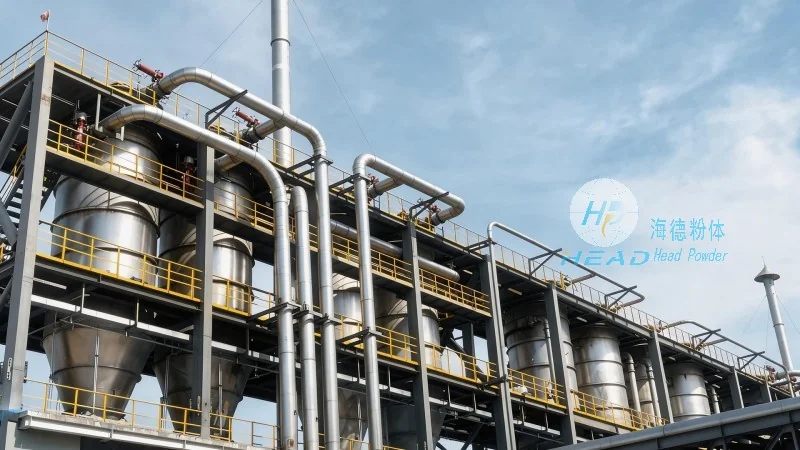
Company Profile and Background
Shandong HeadPowder Engineering Co., Ltd., commonly known as HeadPowder, is a professional manufacturer and supplier of pneumatic conveying equipment. The company is headquartered in Shandong, China, and has established a strong presence in the global market by delivering high-quality, reliable, and efficient solutions for material transport. HeadPowder's expertise lies in understanding the unique challenges of clay processing, such as particle size variation, moisture content, and abrasive properties, and developing systems that address these challenges effectively.
Classification of Clay Pneumatic Conveying Systems
Clay pneumatic conveying systems can be broadly classified based on the operating principle and the type of air flow used. The primary classifications include pressure conveying, vacuum conveying, and combined systems. Each type has distinct characteristics and is suitable for different operational scenarios.
1. Pressure Conveying Systems
Pressure conveying systems utilize compressed air to transport materials from a source to a destination. In this system, the material is fed into a pressure vessel where it is mixed with air under pressure. The mixture is then conveyed through a pipeline to the discharge point. Pressure conveying is particularly effective for long-distance transport and can handle a wide range of particle sizes and moisture levels. The system is known for its high conveying capacity and ability to handle abrasive materials without significant wear on components.
2. Vacuum Conveying Systems
Vacuum conveying systems operate by creating a negative pressure at the inlet, which draws the material into the system. The material is then transported through a pipeline to the discharge point where the pressure is restored. This type of system is ideal for short to medium-distance transport and is commonly used in applications where the material needs to be collected from multiple points or where the source is at a lower elevation than the destination. Vacuum conveying systems are also suitable for handling materials that are sensitive to pressure changes or that require gentle handling to prevent degradation.
3. Combined (Pressure-Vacuum) Systems
Combined systems integrate both pressure and vacuum conveying principles to offer greater flexibility and efficiency. These systems can be used for both loading and unloading operations, allowing for the transport of materials over longer distances while also enabling the collection of material from multiple sources. The combined approach provides a balanced solution for applications that require both high capacity and the ability to handle materials with varying properties.
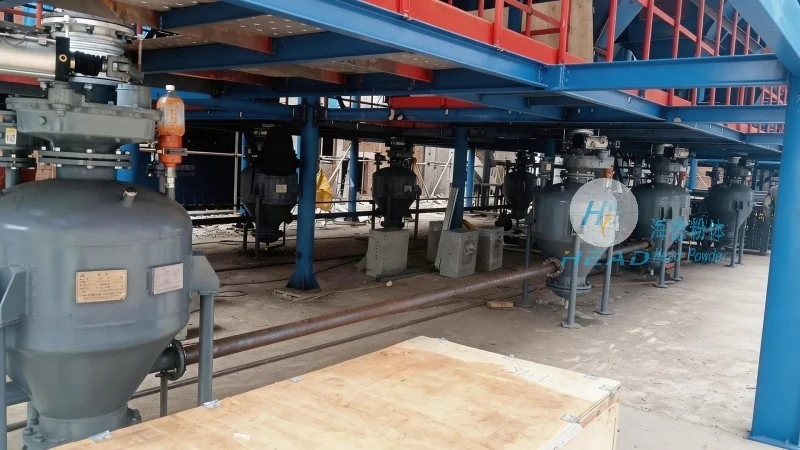
Application Analysis of Clay Pneumatic Conveying Systems
The application of clay pneumatic conveying systems is widespread across various industries, including ceramics, brick manufacturing, and construction materials. The systems are designed to handle the specific characteristics of clay, such as its fine particle size and high moisture content, ensuring efficient and reliable transport. The following are key applications where these systems are utilized:
1. Ceramic Production
In the ceramic industry, clay is a critical raw material used in the production of tiles, pottery, and other ceramic products. Pneumatic conveying systems are used to transport clay from storage silos to the mixing and processing equipment. The systems ensure that the clay is delivered in a consistent manner, maintaining the required moisture content and particle size distribution. This helps in improving the quality of the final ceramic products and reducing waste.
2. Brick Manufacturing
Brick manufacturers rely on pneumatic conveying systems to transport clay from the mining site to the brick-making facilities. The systems are capable of handling large volumes of clay and can transport it over long distances without the need for intermediate storage. This reduces the time and cost associated with material handling and improves the overall efficiency of the production process.
3. Construction Material Processing
Clay is also used in the production of construction materials such as cement and mortar. Pneumatic conveying systems are used to transport clay from the raw material storage areas to the processing plants. The systems ensure that the clay is delivered in a controlled manner, maintaining the required quality standards. This helps in optimizing the production process and reducing the environmental impact of material handling.
Technical Advantages and Operational Benefits
Clay pneumatic conveying systems offer several technical advantages and operational benefits that make them a preferred choice for material handling in the industry. These include:
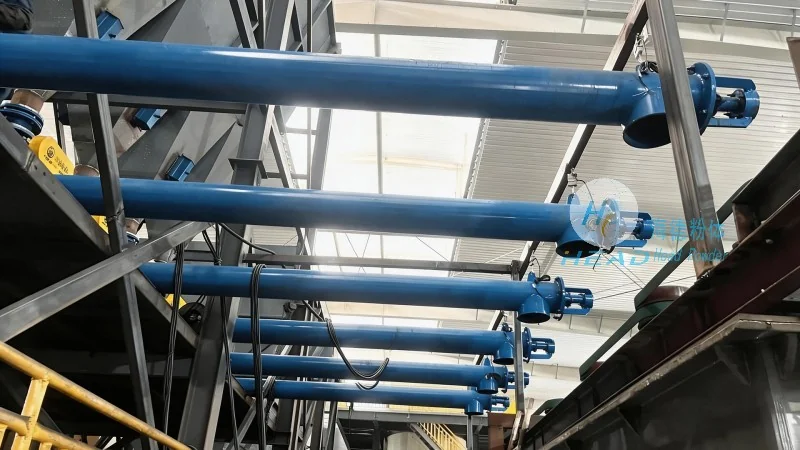
1. High Conveying Efficiency
The systems are designed to achieve high conveying capacities, allowing for the transport of large volumes of clay in a short period. This improves the overall productivity of the production process and reduces downtime.
2. Gentle Material Handling
Pneumatic conveying systems use air as the conveying medium, which provides a gentle and non-abrasive transport environment. This helps in preserving the quality of the clay particles, preventing degradation or damage that could occur with other handling methods such as belt conveyors or bucket elevators.
3. Reduced Maintenance Costs
Due to the use of air as the conveying medium, the systems have fewer moving parts and are less prone to wear and tear compared to other material handling equipment. This results in lower maintenance costs and longer service life.
4. Environmental Benefits
Pneumatic conveying systems are more environmentally friendly as they do not generate dust or require the use of water for cleaning. The systems also reduce the need for intermediate storage, minimizing the environmental impact of material handling operations.
Conclusion
Clay pneumatic conveying systems are a vital component of modern material handling solutions, offering efficient, reliable, and environmentally friendly transport of clay. The classification of these systems based on operating principles allows for the selection of the most appropriate system for specific applications. The technical advantages and operational benefits of these systems make them an ideal choice for industries such as ceramics, brick manufacturing, and construction materials. HeadPowder, with its expertise in the field, continues to provide high-quality pneumatic conveying systems that meet the evolving needs of the industry.