

Classification and Application Analysis of Chloroprene Rubber Pneumatic Conveying Systems
Chloroprene rubber, also known as neoprene, is a synthetic polymer widely used in industrial applications due to its excellent resistance to oil, chemicals, and weathering. Pneumatic conveying systems are essential for the efficient transport of powders and bulk materials, and when combined with chloroprene rubber components, they offer enhanced durability and performance in demanding environments. This article provides a detailed classification of chloroprene rubber pneumatic conveying systems and an analysis of their practical applications.
Introduction to Chloroprene Rubber Pneumatic Conveying Systems
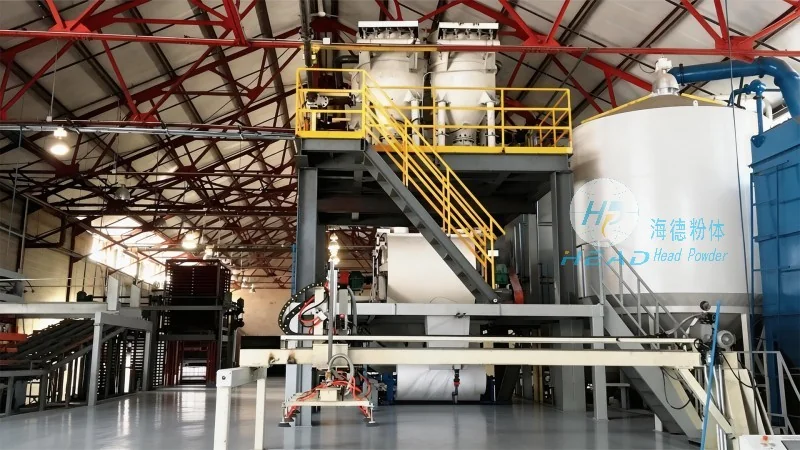
Chloroprene rubber pneumatic conveying systems utilize compressed air or other gases to transport bulk materials through a pipeline network. The systems typically consist of a material hopper, a rotary valve, a conveying line, and a receiver. The use of chloroprene rubber in key components such as hoses, seals, and gaskets ensures superior resistance to abrasion, corrosion, and temperature fluctuations, making these systems ideal for handling aggressive materials like chemicals, solvents, and abrasive powders.
Classification of Chloroprene Rubber Pneumatic Conveying Systems
Based on the conveying principle and design, chloroprene rubber pneumatic conveying systems can be classified into several categories. The primary classifications include:
1. Dilute Phase Pneumatic Conveying
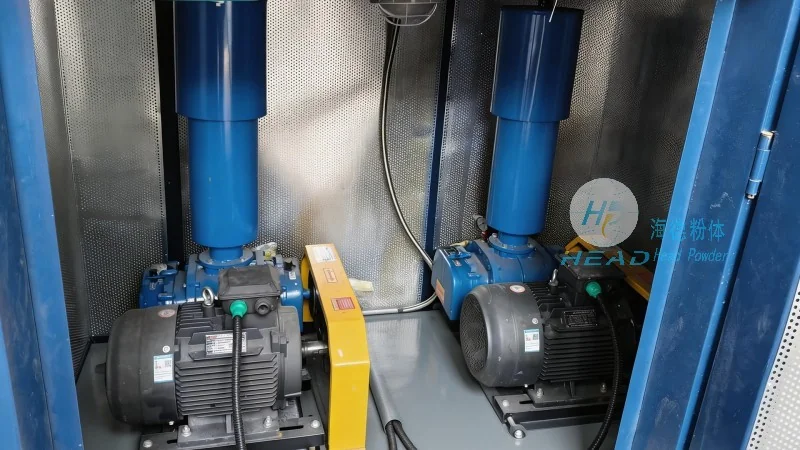
Dilute phase systems operate at high air velocities, typically 20-30 m/s, and low material-to-air ratios. This method is suitable for long-distance transport of fine powders and granules. The system uses a positive displacement blower or a high-pressure compressor to generate the necessary airflow. The use of chloroprene rubber in the air line and valve components ensures reliable operation and prevents material leakage.
2. Dense Phase Pneumatic Conveying
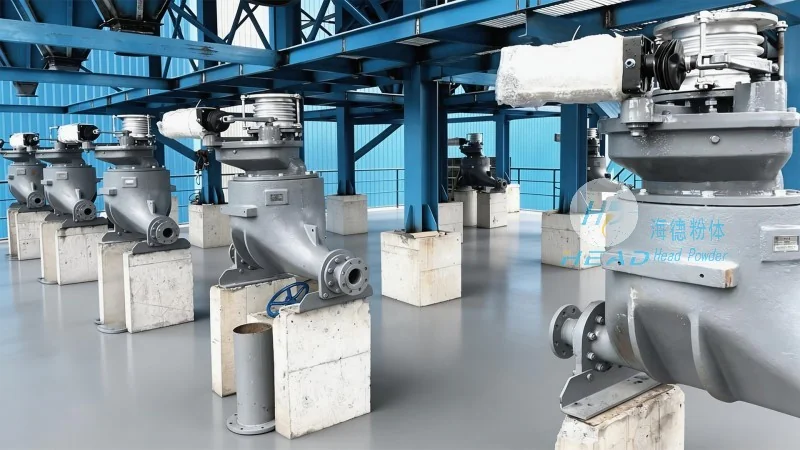
Dense phase systems operate at lower air velocities and higher material-to-air ratios, typically 5-10 m/s. This method is ideal for transporting sensitive materials that are prone to degradation or caking. The system uses a pressure vessel or a positive displacement pump to create a high-pressure environment, which forces the material through the pipeline. Chloroprene rubber components in the pressure vessel and valve seals provide excellent resistance to pressure and chemical exposure.
3. Vacuum Pneumatic Conveying
Vacuum systems use a vacuum pump to create a negative pressure in the pipeline, drawing material from a hopper or storage silo. This method is suitable for indoor or enclosed environments where dust control is critical. The use of chloroprene rubber in the vacuum line and valve components ensures airtight sealing and prevents air leakage, maintaining the system's efficiency.
Key Applications of Chloroprene Rubber Pneumatic Conveying Systems
Chloroprene rubber pneumatic conveying systems are widely used in various industries due to their robust performance and adaptability. Some of the key applications include:
1. Chemical and Pharmaceutical Industries
In the chemical and pharmaceutical sectors, these systems are used to transport powders such as active pharmaceutical ingredients (APIs), chemical intermediates, and specialty chemicals. The chloroprene rubber components provide resistance to corrosive chemicals and ensure product purity. The systems are designed to meet stringent regulatory requirements, including GMP (Good Manufacturing Practice) standards.
2. Food and Beverage Processing
For food and beverage applications, chloroprene rubber pneumatic conveying systems are used to transport powders like sugar, flour, and spices. The systems are constructed with food-grade materials and chloroprene rubber components that are non-toxic and resistant to moisture and microbial growth. The enclosed design minimizes dust contamination and ensures product safety.
3. Mining and Mineral Processing
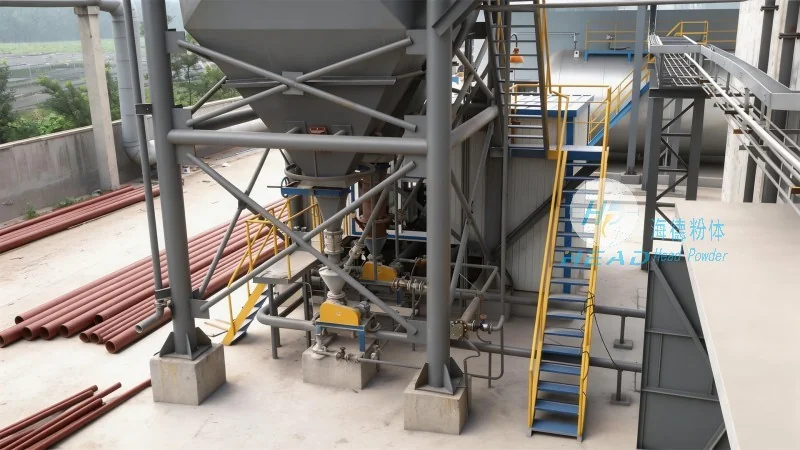
In mining operations, these systems are used to transport abrasive minerals and ores from processing plants to storage facilities. The chloroprene rubber hoses and seals withstand the harsh conditions, including high abrasion and temperature variations. The systems are designed for high durability and long service life, reducing maintenance costs.
4. Construction Materials Handling
Chloroprene rubber pneumatic conveying systems are used in the construction industry to transport materials such as cement, sand, and gravel. The systems are capable of handling large volumes of bulk materials efficiently and safely. The use of chloroprene rubber in the conveying lines and valves ensures reliable operation even under heavy load conditions.
Advantages of Chloroprene Rubber in Pneumatic Conveying Systems
The incorporation of chloroprene rubber in pneumatic conveying systems offers several advantages over traditional materials like natural rubber or PVC:
1. Enhanced Chemical Resistance
Chloroprene rubber exhibits excellent resistance to a wide range of chemicals, including oils, solvents, and acids. This makes it ideal for handling aggressive materials in chemical and pharmaceutical applications.
2. Superior Abrasion Resistance
Chloroprene rubber has high tensile strength and abrasion resistance, which is crucial for systems handling abrasive powders in mining and construction industries.
3. Good Weatherability
The material is resistant to UV radiation and ozone, ensuring long-term performance in outdoor or exposed applications.
4. Low Temperature Flexibility
Chloroprene rubber maintains its flexibility and elasticity over a wide temperature range, from -40°C to +120°C, making it suitable for systems operating in extreme climates.
Conclusion
Chloroprene rubber pneumatic conveying systems offer a reliable and efficient solution for transporting bulk materials in various industrial applications. The classification of these systems based on conveying principles and the analysis of their applications highlight their versatility and adaptability. The use of chloroprene rubber in key components ensures durability, chemical resistance, and long service life, making them a preferred choice for industries that demand high performance and reliability.