

Classification and Application Analysis of Dry Coffee Pneumatic Conveying Systems
Shandong HeadPowder Engineering Co., Ltd., commonly known as HeadPowder, specializes in the design, manufacturing, and implementation of advanced pneumatic conveying systems for the food processing industry. With a focus on precision and efficiency, the company serves clients in China and beyond, providing tailored solutions for material handling challenges.
Classification of Dry Coffee Pneumatic Conveying Systems
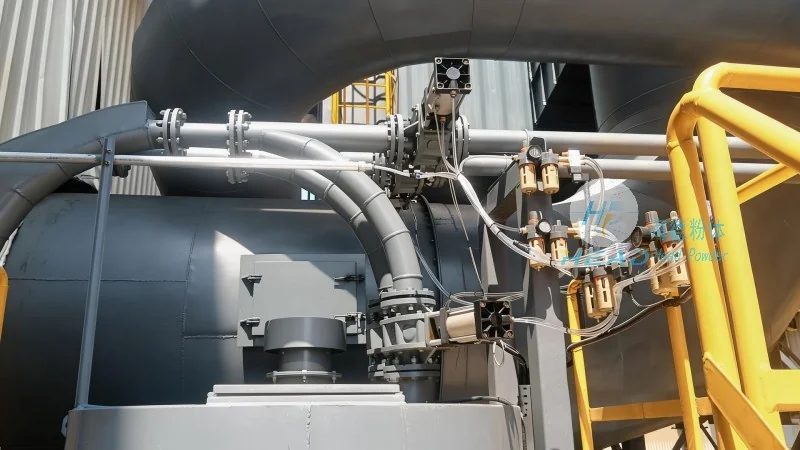
Dry coffee pneumatic conveying systems are categorized based on several key factors, including the pressure differential, system design, and operational principles. The primary classifications include positive pressure systems, negative pressure systems, and hybrid systems. Positive pressure systems use a blower to push material through the pipeline, while negative pressure systems employ a vacuum to draw material. Hybrid systems combine elements of both, offering flexibility in handling different material characteristics and process requirements. Additionally, systems can be classified by their structural design, such as pipe-type, bin-type, or screw-type configurations, each tailored to specific operational needs and material flow dynamics.
Application Analysis of Dry Coffee Pneumatic Conveying Systems
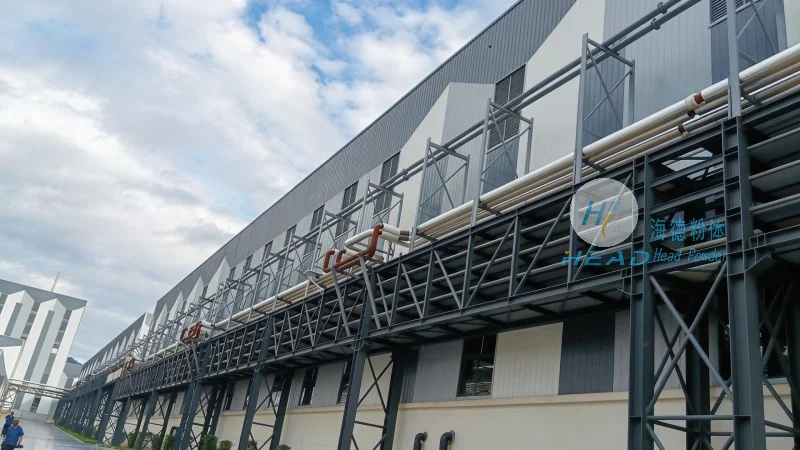
In the coffee processing industry, dry coffee pneumatic conveying systems play a critical role in transporting raw coffee beans, ground coffee, and other related materials from storage to processing units. These systems are designed to maintain the quality and integrity of the coffee, minimizing exposure to moisture and contaminants. The positive pressure systems are particularly effective for handling fine powders and granules, ensuring consistent flow rates and preventing clogging. Negative pressure systems, on the other hand, are suitable for applications where dust control and material recovery are paramount. The choice of system depends on factors like the coffee's moisture content, particle size, and the desired level of hygiene. For instance, in large-scale coffee roasting facilities, positive pressure systems are often preferred for their ability to handle high volumes of material with minimal maintenance. Conversely, in smaller-scale operations or those requiring precise control over material flow, negative pressure systems may offer better performance. The hybrid approach provides a balanced solution, allowing operators to switch between positive and negative modes based on operational conditions, thereby optimizing efficiency and reducing downtime.
Key Advantages of Dry Coffee Pneumatic Conveying Systems
One of the most significant advantages of dry coffee pneumatic conveying systems is their ability to handle materials in a closed environment, which is essential for maintaining the quality and freshness of coffee. Unlike traditional belt or bucket elevators, pneumatic systems minimize direct contact with air, reducing the risk of moisture absorption and spoilage. This is particularly important for coffee, which is highly susceptible to oxidation and flavor degradation. Additionally, these systems offer high efficiency in material transport, with the ability to move large quantities of coffee over long distances with minimal energy consumption. The compact design of pneumatic systems also saves valuable floor space in processing facilities, making them ideal for facilities with limited operational area. Furthermore, the systems are highly customizable, allowing manufacturers to adapt them to specific coffee processing requirements, such as handling different bean sizes or processing stages. The integration of advanced control systems enables precise regulation of flow rates, pressure, and temperature, ensuring optimal performance and product quality. Overall, the combination of efficiency, hygiene, and adaptability makes dry coffee pneumatic conveying systems a preferred choice for modern coffee processing operations.
Maintenance and Reliability Considerations
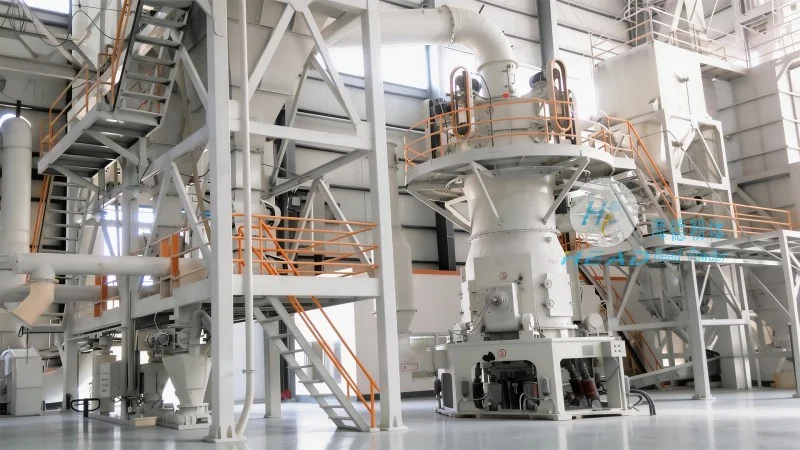
Maintaining the reliability and performance of dry coffee pneumatic conveying systems is crucial for sustained operational efficiency. Regular maintenance, including cleaning of pipelines, checking for leaks, and inspecting components like blowers and filters, is essential to prevent system downtime. The use of high-quality materials, such as stainless steel for pipelines and wear-resistant components for elbows and bends, enhances the system's durability and reduces the need for frequent repairs. Additionally, implementing preventive maintenance schedules, such as routine inspections and component replacements, helps identify potential issues before they escalate into major problems. The advanced control systems in modern pneumatic conveying systems provide real-time monitoring of operational parameters, allowing operators to detect anomalies and address them promptly. This proactive approach to maintenance ensures that the system operates at peak efficiency, minimizing disruptions to coffee processing operations. Furthermore, the compact design of these systems facilitates easier access to components for maintenance, reducing the time and effort required for upkeep. By prioritizing regular maintenance and using high-quality components, coffee processing facilities can maximize the lifespan and reliability of their pneumatic conveying systems, ensuring consistent and high-quality coffee production.