

Classification and Application Analysis of Sawdust Particle Pneumatic Conveying Systems
HeadPowder, a leading engineering firm based in Shandong, China, specializes in the design and implementation of advanced pneumatic conveying systems tailored for sawdust particle handling. This article provides a comprehensive classification and application analysis of such systems, highlighting the technical considerations and practical implementations in industrial settings.
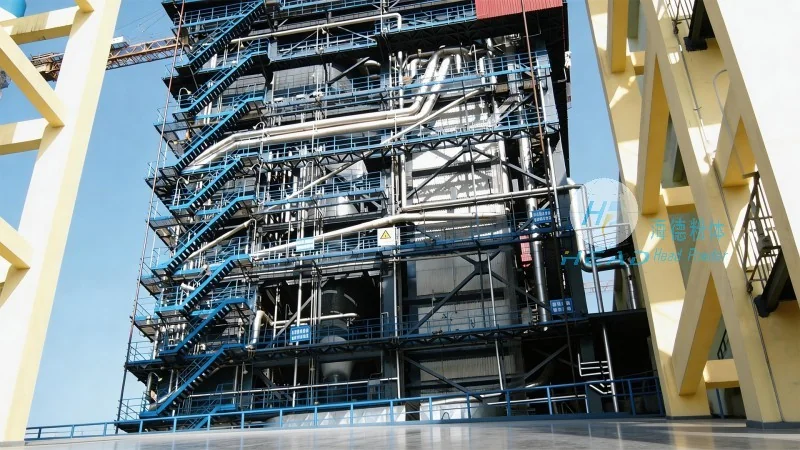
Overview of Pneumatic Conveying Systems for Sawdust Particles
Sawdust, a byproduct of wood processing, is commonly used in various industries including manufacturing, construction, and energy production. Efficient transportation of sawdust particles from production sites to processing or storage facilities is crucial for maintaining operational efficiency and reducing material loss. Pneumatic conveying systems offer a reliable solution by utilizing air as the conveying medium to transport dry or slightly moist sawdust particles. These systems are categorized based on the air velocity and particle concentration within the pipeline, which directly impacts system performance, energy consumption, and equipment durability.
Classification of Pneumatic Conveying Systems
There are primarily two main categories of pneumatic conveying systems used for sawdust particles: dilute-phase and dense-phase systems. Each type has distinct characteristics and is suitable for different operational conditions.
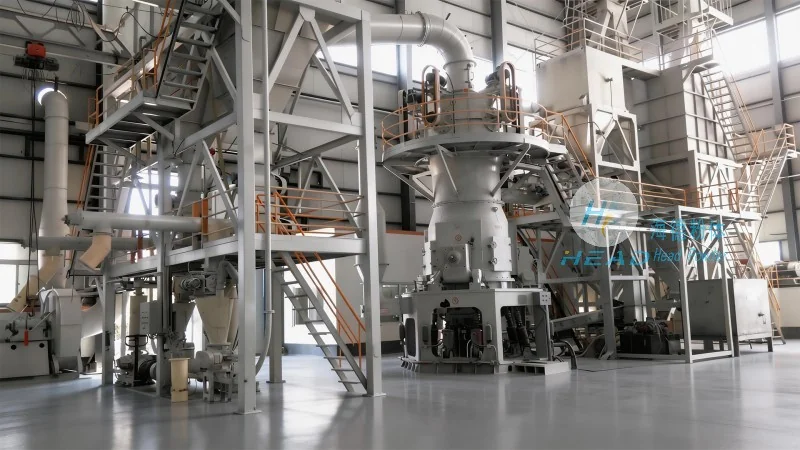
Dilute-Phase Pneumatic Conveying Systems
Dilute-phase systems operate at higher air velocities, typically ranging from 20 to 40 meters per second, with particle concentrations in the pipeline being low, usually less than 10% by volume. This system is ideal for short to medium-distance transport (up to several hundred meters) and for handling light, non-abrasive sawdust particles. The primary advantage of dilute-phase systems is their ability to handle large volumes of material with relatively low pressure drops, making them cost-effective for applications where high throughput is required. However, they may not be suitable for long-distance transport or for materials with high abrasiveness, as the high air velocity can cause excessive wear on the pipeline and equipment.
Dense-Phase Pneumatic Conveying Systems
Dense-phase systems, also known as low-velocity or pressure-assisted systems, operate at lower air velocities (typically 5 to 15 meters per second) with higher particle concentrations (up to 50% by volume). These systems are designed for longer-distance transport (up to several kilometers) and for handling abrasive or high-density sawdust particles. The lower air velocity reduces wear on the pipeline and equipment, while the higher particle concentration allows for more efficient use of energy. Dense-phase systems are particularly effective in applications where material is being transferred from a silo or hopper to a processing unit, as they can maintain a consistent flow rate and minimize material degradation.
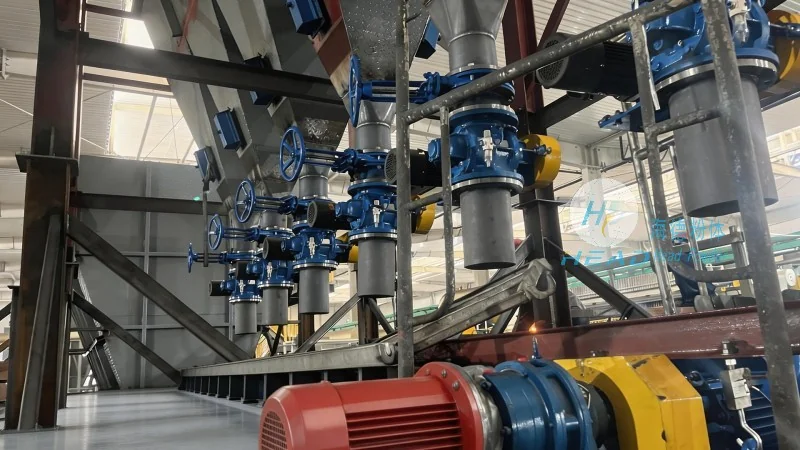
Application Analysis of Pneumatic Conveying Systems
The choice of pneumatic conveying system for sawdust particles depends on several factors, including the distance of transport, the particle characteristics (size, density, moisture content), the required flow rate, and the operational environment. HeadPowder engineers consider these factors to design customized systems that meet the specific needs of each client.
Case Study: Customized Dilute-Phase System for a Wood Processing Plant
For a large wood processing plant in Shandong, China, HeadPowder designed and installed a dilute-phase pneumatic conveying system to transport sawdust from the production line to a central storage silo. The system was configured with a positive displacement blower, a filter unit to remove dust from the exhaust air, and a pipeline network that spanned approximately 300 meters. The system was optimized to handle a flow rate of 10 tons per hour, with sawdust particles ranging from 0.5 to 5 millimeters in size. The high air velocity ensured that the particles were fully suspended and transported efficiently, while the filter unit maintained air quality standards. The system has been in operation for over two years, achieving a consistent flow rate and minimal material loss, demonstrating the effectiveness of the dilute-phase design for this application.
Case Study: Dense-Phase System for Abrasive Sawdust Handling
In another project, HeadPowder implemented a dense-phase pneumatic conveying system for a sawmill that processes hard wood species, resulting in sawdust with high abrasiveness. The system was designed to transport sawdust from a hopper to a pelletizing machine over a distance of 1.5 kilometers. The lower air velocity and higher particle concentration reduced wear on the pipeline and equipment, extending their service life. The system was equipped with a pressure regulator to maintain consistent pressure, ensuring a stable flow rate. The dense-phase design allowed for efficient transport of the abrasive material without causing excessive wear, making it suitable for long-distance and high-abrasion applications.
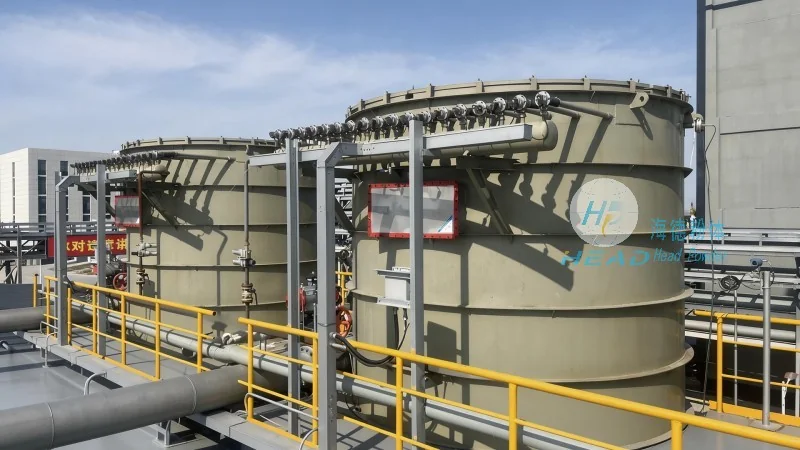
Key Considerations for Sawdust Pneumatic Conveying Systems
When selecting or designing a pneumatic conveying system for sawdust particles, several key considerations must be addressed to ensure optimal performance and longevity. These include:
- Particle Characteristics: The size, density, and moisture content of sawdust particles significantly affect system design. For example, fine particles may require higher air velocities to prevent clogging, while high-density particles may benefit from dense-phase systems to reduce wear.
- Transport Distance: Short-distance transport (under 100 meters) is often suitable for dilute-phase systems, while long-distance transport (over 500 meters) typically requires dense-phase systems to maintain flow and reduce wear.
- Energy Efficiency: The choice between dilute-phase and dense-phase systems impacts energy consumption. Dilute-phase systems are generally more energy-efficient for short distances, while dense-phase systems may require more energy but offer better wear resistance for long distances.
- Equipment Durability: Abrasive sawdust particles can cause significant wear on pipelines and components. Materials such as stainless steel or high-grade alloys are often used to mitigate this issue, and regular maintenance is essential to extend equipment life.
Conclusion
HeadPowder Engineering Co., Ltd. provides comprehensive solutions for sawdust particle pneumatic conveying systems, offering both dilute-phase and dense-phase designs tailored to specific operational requirements. By considering factors such as particle characteristics, transport distance, and energy efficiency, HeadPowder ensures that its systems deliver reliable performance, minimize material loss, and extend equipment life. The company's expertise in engineering and installation has made it a trusted partner for wood processing industries in China and beyond, helping clients optimize their material handling processes and improve overall operational efficiency.