

Classification and Application Analysis of High-Temperature Fine Powder Pneumatic Conveying Systems
High-temperature fine powder pneumatic conveying systems are critical in industrial processes where the efficient and safe transportation of hot, fine particulate materials is required. These systems utilize air or gas as the conveying medium to move powders from one location to another, often under conditions of elevated temperatures that can affect both the material properties and the system performance. The classification and application of such systems are essential for selecting the appropriate technology for specific industrial needs, ensuring optimal performance, energy efficiency, and operational safety.
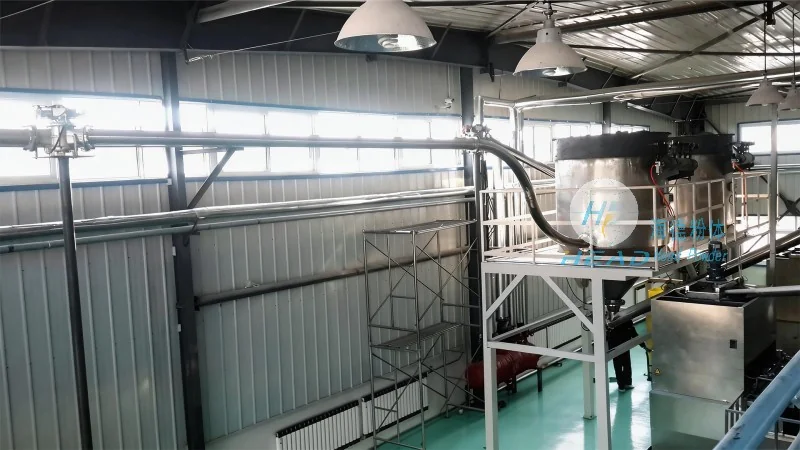
Introduction to High-Temperature Fine Powder Pneumatic Conveying Systems
High-temperature fine powder pneumatic conveying systems are designed to handle powders that are heated during processing or require transport at elevated temperatures. This category of systems is widely used in industries such as cement, chemical, and food processing, where materials like hot clinker, cement raw materials, or heat-treated powders need to be moved from processing units to storage or further processing facilities. The primary challenge in these applications is maintaining the material's temperature and preventing degradation while ensuring reliable and efficient transport. The system design must account for factors like material moisture content, particle size distribution, and the temperature range, as these variables significantly impact the conveying performance and equipment selection.
Classification of High-Temperature Fine Powder Pneumatic Conveying Systems
High-temperature fine powder pneumatic conveying systems can be classified based on several key parameters, including the conveying principle, pressure level, and material handling characteristics. The main categories include:
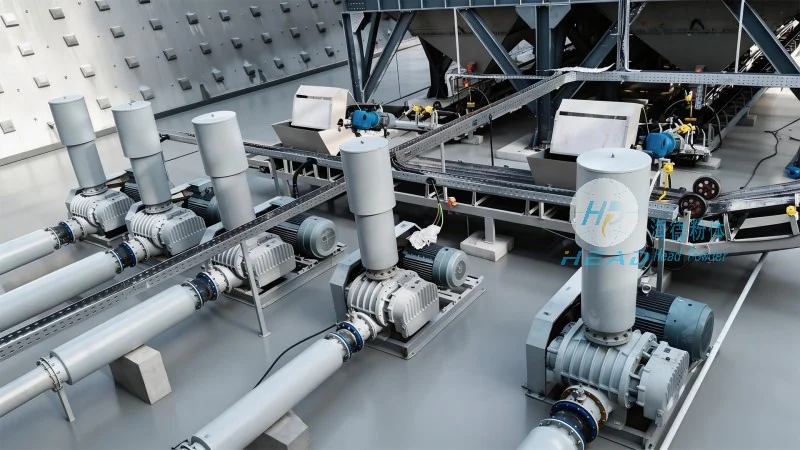
- Positive Pressure Systems: These systems operate by blowing air or gas into the conveying line, creating a positive pressure environment. They are suitable for short to medium-distance conveying and are commonly used for handling fine powders that are not highly abrasive or corrosive. Positive pressure systems are often preferred for applications where the material needs to be transported to a higher elevation or over obstacles.
- Negative Pressure (Vacuum) Systems: In contrast, negative pressure systems use suction to draw powders into the conveying line. This approach is ideal for applications requiring dust collection or when the material needs to be transported from a higher elevation to a lower one. Negative pressure systems are particularly useful in environments where dust control is a priority, as they can capture and contain airborne particles during the conveying process.
- Two-Phase (Air-Liquid) Systems: These systems combine air with a liquid (often water or oil) to enhance the conveying capability, especially for materials that are difficult to transport under dry conditions. The liquid acts as a carrier, improving the suspension of fine particles and reducing the risk of blockages. Two-phase systems are commonly used for high-temperature applications where the material may have a high moisture content or is prone to agglomeration.
- High-Temperature Specialized Systems: For applications involving extremely high temperatures, specialized systems are employed. These may include heated conveying lines, insulated components, and materials that can withstand thermal stress. Such systems are crucial in industries like cement production, where hot clinker is conveyed from rotary kilns to grinding mills.
Key Components and Design Considerations for High-Temperature Systems
The performance and reliability of high-temperature fine powder pneumatic conveying systems depend on several critical components and design choices. Key elements include:
- Conveying Line and Fittings: The material of construction for the conveying line and fittings is critical, as it must withstand high temperatures and potential chemical exposure. Materials like stainless steel, heat-resistant alloys, or specialized polymers are commonly used. The line design should minimize pressure drop and ensure smooth flow to prevent particle deposition and blockages.
- Feeder and Metering Devices: Proper feeding of the fine powder into the conveying line is essential to maintain consistent flow rates and prevent surges or clogging. Feeders such as rotary valves, screw feeders, or pressure feeders are used, often equipped with temperature-resistant seals and bearings to handle the high-temperature environment.
- Gas Supply and Filtration: The quality and temperature of the conveying gas are vital. In positive pressure systems, the gas is typically heated to match the material temperature to prevent condensation and maintain material properties. Filtration systems are installed at the discharge end to capture fine particles and protect downstream equipment from contamination.
- Control and Monitoring Systems: Advanced control systems are employed to regulate the conveying process, ensuring optimal air flow, pressure, and material feed rates. Sensors and monitoring devices track parameters like temperature, pressure, and flow rate, providing real-time data for process optimization and maintenance scheduling.
Applications and Performance Analysis
High-temperature fine powder pneumatic conveying systems find applications across various industries, each with specific requirements that influence system design and performance. The following are some key applications and performance considerations:
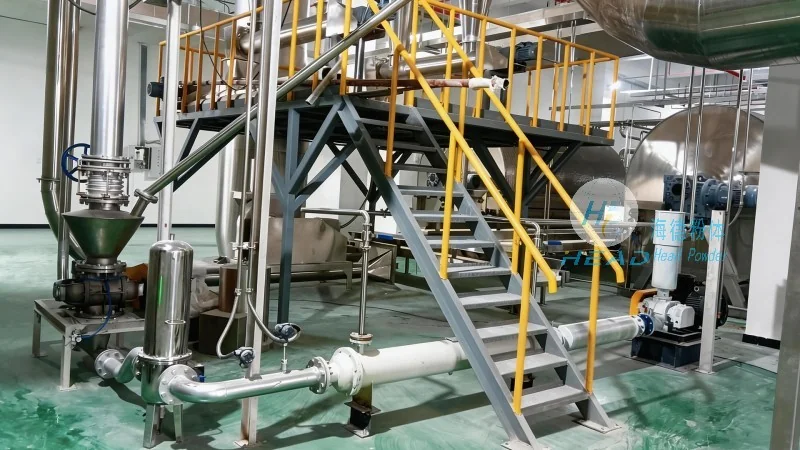
- Cement Industry: In cement production, hot clinker (typically around 1400°C) is conveyed from rotary kilns to grinding mills. The high-temperature conveying systems must handle abrasive and hot materials while maintaining the clinker's quality. The system design includes insulated conveying lines, high-temperature seals, and robust feeding mechanisms to ensure reliable transport over long distances.
- Chemical Processing: Chemical industries often process and transport heat-treated powders, such as those used in pharmaceuticals or specialty chemicals. The conveying systems must be compatible with the material's chemical properties and temperature requirements. For example, in the production of fine chemicals, the system may need to handle powders at elevated temperatures to prevent degradation or agglomeration.
- Food Processing: In the food industry, conveying systems are used to transport heat-treated powders like coffee, cocoa, or spices. The systems must meet stringent hygiene and safety standards, with materials of construction that are food-grade and easy to clean. The conveying process is designed to maintain the product's quality and prevent contamination.
- Power Generation: In coal-fired power plants, fine ash from boilers is often conveyed using high-temperature pneumatic systems. The systems handle hot, fine particulate matter and require efficient dust collection to comply with environmental regulations. The design focuses on minimizing emissions and ensuring the safe disposal or reuse of the ash.
Advantages and Challenges of High-Temperature Pneumatic Conveying
High-temperature fine powder pneumatic conveying systems offer several advantages, including flexibility in layout, ability to handle fine particles, and reduced material handling costs compared to mechanical systems. However, they also present challenges that must be addressed to ensure optimal performance and longevity. Key advantages include:
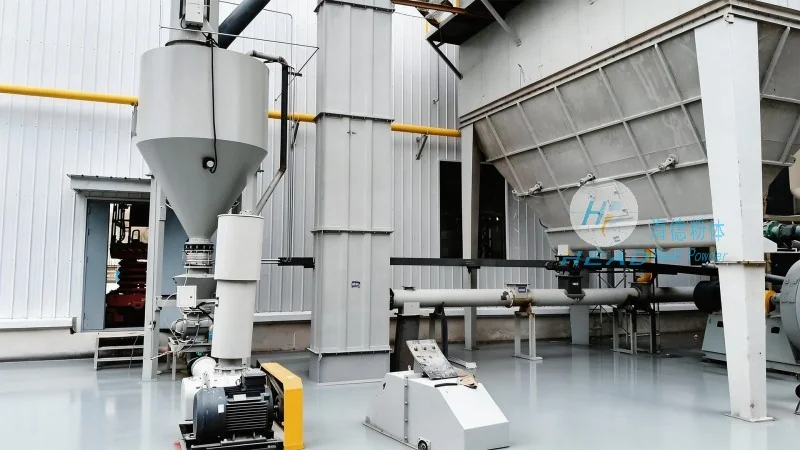
- Flexibility and Space Efficiency: Pneumatic systems can be installed in complex layouts, with flexible piping that allows for changes in the process flow without major structural modifications. This flexibility is particularly valuable in high-temperature applications where equipment may be located in confined spaces.
- Reduced Mechanical Wear: Compared to mechanical conveyors, pneumatic systems have fewer moving parts, reducing the risk of wear and tear from abrasive materials. This leads to lower maintenance costs and longer equipment life.
- Energy Efficiency: While the initial energy consumption for air compression can be higher, modern high-temperature systems are designed to optimize energy use, particularly in positive pressure systems where the gas is recycled and reused.
However, challenges such as material degradation, equipment corrosion, and dust control remain. High temperatures can cause the material to degrade or agglomerate, affecting its properties and transportability. Equipment components must be selected to withstand thermal stress and potential chemical reactions. Additionally, effective dust control is critical to prevent environmental contamination and ensure compliance with regulations.
Conclusion
High-temperature fine powder pneumatic conveying systems are essential for industries requiring the efficient and safe transport of hot, fine particulate materials. The classification of these systems based on conveying principles, pressure levels, and material characteristics helps in selecting the appropriate technology for specific applications. Key components, including conveying lines, feeders, gas supply systems, and control mechanisms, must be designed to handle elevated temperatures and material properties. Applications in cement, chemical, food, and power generation industries demonstrate the versatility and importance of these systems. While advantages such as flexibility and reduced mechanical wear exist, challenges like material degradation and dust control require careful consideration and advanced system design. As industrial processes continue to evolve, the development of high-temperature pneumatic conveying systems will remain critical in optimizing material handling and ensuring operational efficiency.