

Classification and Application Analysis of Phosphoric Hydrogen Calcium Pneumatic Conveying Systems
Phosphoric hydrogen calcium, also known as calcium dihydrogen phosphate, is a widely used chemical compound in various industrial applications. The efficient handling and transportation of this material are crucial for maintaining production efficiency and safety in processing facilities. Pneumatic conveying systems offer a reliable solution for transporting phosphoric hydrogen calcium, and understanding their classification and application is essential for optimizing material flow in industrial processes.
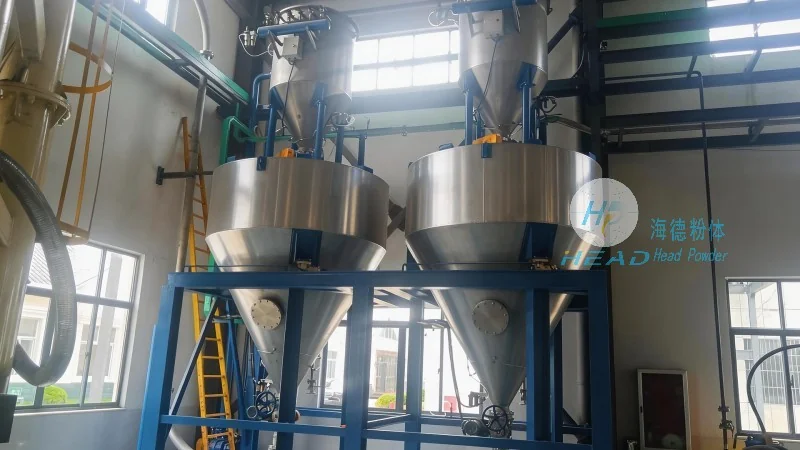
Classification of Pneumatic Conveying Systems for Phosphoric Hydrogen Calcium
There are primarily two main categories of pneumatic conveying systems used for transporting phosphoric hydrogen calcium: dilute-phase and dense-phase systems. Dilute-phase systems operate by suspending the material in a stream of air, allowing for high-velocity transport over long distances. This method is suitable for materials with low to moderate dust generation and is commonly used in applications requiring high throughput. Dense-phase systems, on the other hand, transport material in a more concentrated form, often using lower air velocities and higher pressure to ensure stable and controlled flow. These systems are ideal for materials that are prone to segregation or require gentle handling to prevent degradation.
Key Components of Phosphoric Hydrogen Calcium Pneumatic Conveying Systems
Effective pneumatic conveying of phosphoric hydrogen calcium relies on several critical components. The system typically includes a hopper or feeder to control the material flow, a conveying line (usually made of stainless steel or other corrosion-resistant materials to handle the chemical properties of the material), and a receiver or silo for the final product. Additionally, a blower or compressor provides the necessary air pressure to move the material through the system. For systems handling phosphoric hydrogen calcium, which can be abrasive and corrosive, the selection of materials for components such as valves, elbows, and filters is vital to ensure long-term operational reliability and minimal maintenance.
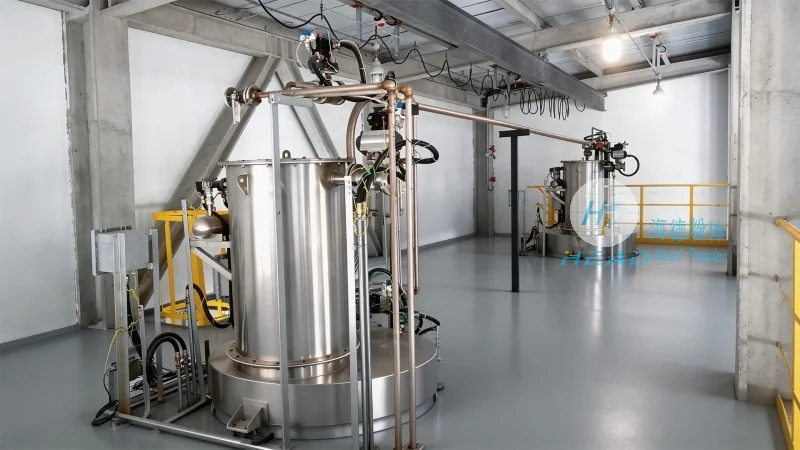
Application Analysis of Pneumatic Conveying Systems in Phosphoric Hydrogen Calcium Processing
Phosphoric hydrogen calcium is commonly used in the production of fertilizers, food additives, and pharmaceuticals. In these industries, the ability to efficiently transport the material from storage to processing equipment is critical. For example, in fertilizer manufacturing, large quantities of phosphoric hydrogen calcium need to be moved from bulk storage to mixing and granulation units. Pneumatic conveying systems enable this transfer without the need for mechanical conveyors, reducing the risk of material contamination and improving overall process flexibility. Similarly, in food and pharmaceutical applications, where hygiene and product purity are paramount, pneumatic conveying provides a closed system that minimizes exposure to contaminants and maintains product integrity.
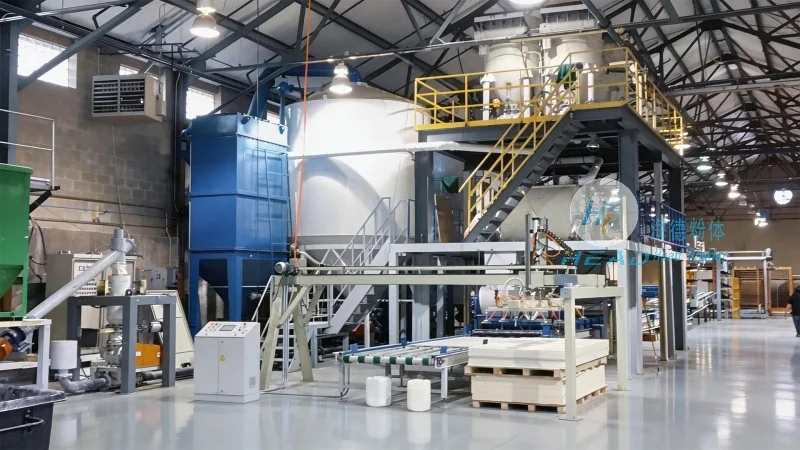
Advantages of Using Pneumatic Conveying for Phosphoric Hydrogen Calcium
Compared to traditional mechanical conveying methods, pneumatic conveying systems offer several advantages for handling phosphoric hydrogen calcium. One of the most significant benefits is the ability to transport material in a closed system, which helps prevent dust emissions and environmental contamination. This is particularly important for phosphoric hydrogen calcium, which can be a respiratory hazard if inhaled. Additionally, pneumatic systems allow for flexible routing of material flow, enabling easy integration with existing processing equipment. They also provide better control over material velocity and pressure, reducing the risk of product degradation or damage during transport. Furthermore, the absence of moving parts in the conveying line minimizes maintenance requirements and downtime, contributing to higher overall system efficiency.
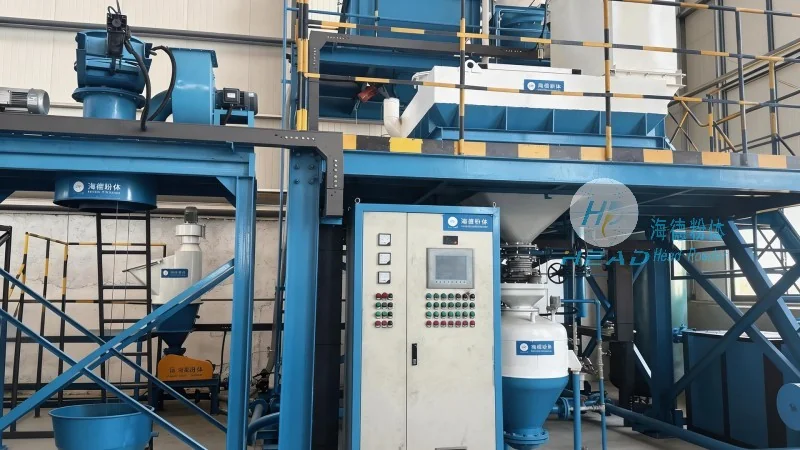
Considerations for Selecting the Right Pneumatic Conveying System
When selecting a pneumatic conveying system for phosphoric hydrogen calcium, several factors must be considered to ensure optimal performance and longevity. The first consideration is the material's properties, such as its particle size, density, and moisture content, as these affect the system's design and operating parameters. For instance, fine powders may require higher air velocities to maintain suspension, while larger particles may need a denser phase system. The system's capacity and required throughput are also critical, as they determine the size of the blower, conveying line, and other components. Additionally, the distance and elevation changes between the material source and destination must be evaluated to ensure the system can handle the required pressure and flow rates. Finally, the environmental and safety regulations in the operating region should be considered, as they may dictate the need for dust collection systems or explosion-proof components.
Conclusion: The Role of Pneumatic Conveying in Phosphoric Hydrogen Calcium Handling
In conclusion, pneumatic conveying systems are a vital technology for the efficient and safe handling of phosphoric hydrogen calcium in various industrial applications. By understanding the classification of these systems and their specific applications, industries can optimize their material flow processes, improve productivity, and ensure compliance with safety and environmental standards. As a leading provider in the field, Shandong HeadPowder Engineering Co., Ltd. specializes in designing and manufacturing customized pneumatic conveying solutions tailored to the unique needs of phosphoric hydrogen calcium processing, ensuring reliable and efficient material transport for its clients.