

Classification and Application Analysis of Sodium Sulfate Powder Pneumatic Conveying Systems
Sodium sulfate, commonly known as Glauber's salt, is a widely used industrial chemical with applications in papermaking, glass manufacturing, and chemical synthesis. The efficient and reliable transport of sodium sulfate powder is crucial for industrial processes, and pneumatic conveying systems have emerged as a preferred solution due to their ability to handle bulk materials with minimal maintenance and operational complexity. This article provides a comprehensive classification of sodium sulfate powder pneumatic conveying systems and analyzes their practical applications in various industrial settings.
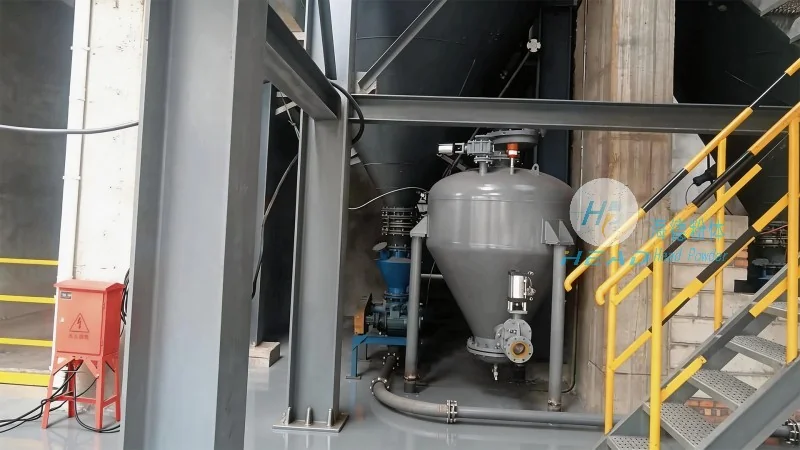
Company Profile: Shandong HeadPowder Engineering Co., Ltd.
HeadPowder, a leading provider of material handling solutions, specializes in the design, manufacturing, and installation of pneumatic conveying systems tailored to the needs of industrial clients. With a focus on innovation and quality, the company has established itself as a trusted partner in the chemical processing and material transport sectors. HeadPowder's expertise lies in customizing systems that ensure optimal performance, safety, and cost-effectiveness for the transportation of sodium sulfate and other bulk powders.
Classification of Pneumatic Conveying Systems for Sodium Sulfate Powder
Pneumatic conveying systems for sodium sulfate powder can be broadly classified into two main categories: pressure and vacuum systems. Each type has distinct characteristics and is suitable for different operational requirements.
1. Pressure Conveying Systems operate by introducing compressed air into the conveying line, creating a pressure differential that propels the powder forward. These systems are typically used for short to medium distances and are ideal for applications where the material needs to be transported from a storage silo to a processing unit. Pressure systems are known for their high conveying rates and ability to handle abrasive materials like sodium sulfate without significant wear on components.
2. Vacuum Conveying Systems utilize a vacuum pump to create a negative pressure that draws the powder from the source to the destination. This method is particularly effective for long-distance transport and for handling materials that are sensitive to pressure changes or require gentle handling. Vacuum systems are often preferred in applications where the material is to be collected from multiple points or where the source is at a higher elevation than the destination.
Key Components of Sodium Sulfate Powder Pneumatic Conveying Systems
Regardless of the system type, sodium sulfate powder pneumatic conveying systems consist of several critical components that ensure efficient operation. These include:
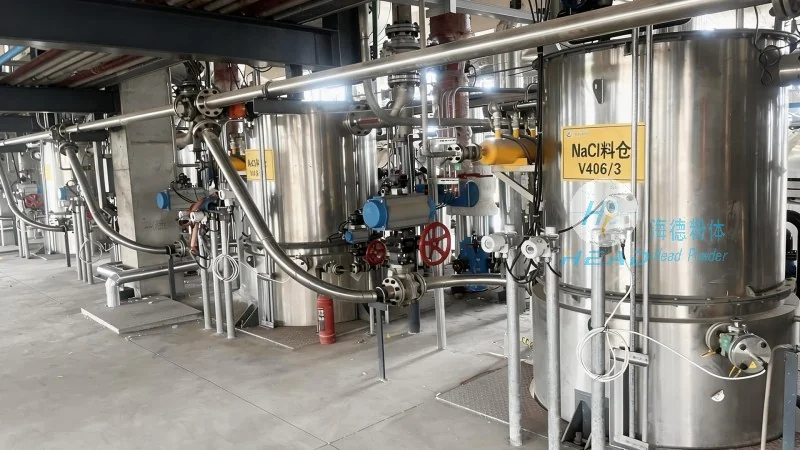
1. Feed Hopper and Metering Valve The feed hopper stores the sodium sulfate powder and regulates the flow rate into the conveying line. The metering valve controls the amount of material entering the system, preventing overloading and ensuring consistent flow.
2. Conveying Line and Tubing The main component of the system, the conveying line is typically made of stainless steel or other corrosion-resistant materials to withstand the chemical properties of sodium sulfate. The tubing diameter and length are carefully selected based on the material's properties and the required conveying distance.
3. Air Compressor or Vacuum Pump The power source for pressure systems, the air compressor generates the necessary pressure to move the powder. For vacuum systems, a high-capacity vacuum pump creates the negative pressure required for material transport.
4. Filter and Dust Collector As sodium sulfate is a fine powder, it can generate dust during the conveying process. The filter and dust collector are essential for capturing and removing airborne particles, ensuring compliance with environmental regulations and maintaining a clean working environment.
5. Control System Modern pneumatic conveying systems are equipped with advanced control systems that monitor pressure, flow rate, and other parameters in real-time. These systems allow for automated operation and provide alerts in case of system malfunctions, enhancing safety and operational efficiency.
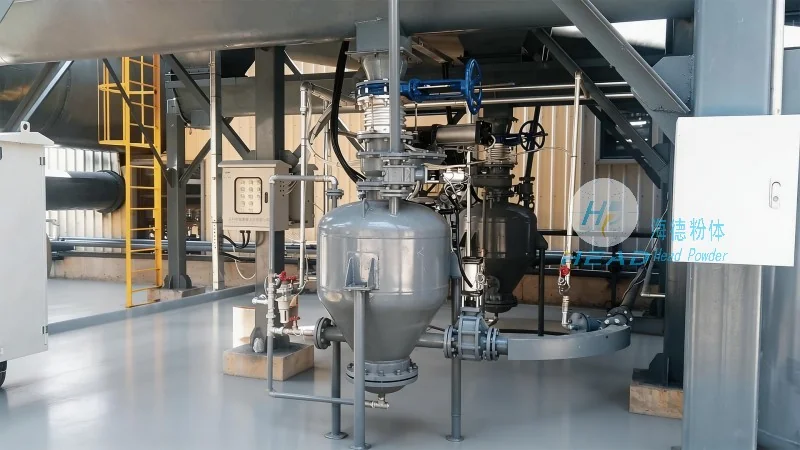
Application Analysis of Sodium Sulfate Powder Pneumatic Conveying Systems
The classification and components of pneumatic conveying systems for sodium sulfate powder are directly linked to their practical applications in various industries. Here are some key applications where these systems are widely used:
1. Paper Manufacturing In the paper industry, sodium sulfate is used as a filler and sizing agent. Pneumatic conveying systems are employed to transport the powder from storage silos to the paper machine, ensuring a consistent supply of material and minimizing downtime. The systems are designed to handle large volumes of fine powder, which is critical for maintaining the quality of the paper product.
2. Glass Manufacturing Sodium sulfate is used in the production of glass as a flux to lower the melting point of silica. The pneumatic conveying systems used in glass factories are capable of handling high-temperature and abrasive materials, with components that are resistant to thermal and chemical stress. The systems are often integrated with the glass melting process to ensure a continuous supply of sodium sulfate.
3. Chemical Synthesis In chemical laboratories and industrial plants, sodium sulfate is used as a reagent in various synthesis processes. Pneumatic conveying systems are used to transport the powder from bulk storage to reaction vessels, ensuring precise dosing and minimizing human exposure to the material. The systems are designed to be flexible and adaptable to different chemical processes.
4. Food and Pharmaceutical Industries Although less common, sodium sulfate is used in some food and pharmaceutical applications as a processing aid. Pneumatic conveying systems in these industries are required to meet stringent hygiene and safety standards. The components are made of food-grade materials and are easy to clean and maintain, ensuring compliance with regulatory requirements.
Advantages of Using Pneumatic Conveying Systems for Sodium Sulfate Powder
Compared to traditional bulk material handling methods such as belt conveyors or bucket elevators, pneumatic conveying systems offer several advantages for sodium sulfate powder transport:
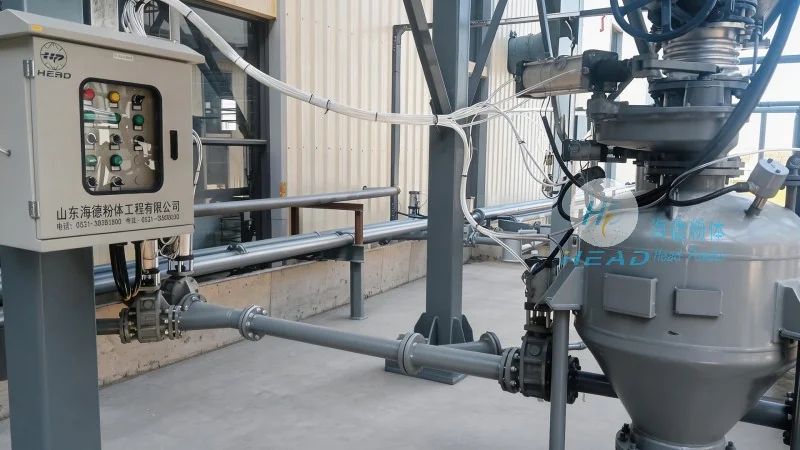
1. Reduced Material Loss and Dust Generation Pneumatic systems are enclosed, which prevents material spillage and dust contamination. This is particularly important for sodium sulfate, which can be harmful if inhaled or ingested. The enclosed design also helps maintain a clean working environment and reduces the need for additional dust control measures.
2. Lower Maintenance Costs Pneumatic conveying systems have fewer moving parts compared to mechanical systems, resulting in lower maintenance requirements and costs. The components are designed to be durable and resistant to wear from the abrasive sodium sulfate powder, extending the system's lifespan.
3. Flexibility and Scalability Pneumatic systems can be easily modified or expanded to accommodate changes in production volume or process requirements. This flexibility allows companies to adapt to changing market conditions and growth without significant capital investment.
4. Improved Safety and Environmental Compliance The enclosed nature of pneumatic systems reduces the risk of accidents and exposure to hazardous materials. Additionally, the systems are designed to meet environmental regulations regarding dust emissions and material handling, ensuring that companies operate in compliance with local and international standards.
Conclusion
Sodium sulfate powder pneumatic conveying systems are a critical component of modern industrial operations, providing efficient, reliable, and safe transport of bulk materials. The classification of these systems into pressure and vacuum types, along with their key components and applications, highlights the versatility and adaptability of pneumatic conveying technology. As industrial processes continue to evolve, the demand for advanced material handling solutions will increase, and companies like Shandong HeadPowder Engineering Co., Ltd. will play a vital role in meeting these needs with innovative and effective pneumatic conveying systems.