

[Maintain the original title translation as required, then output the HTML content as follows]
Shandong HeadPowder Engineering Co., Ltd., commonly known as HeadPowder, specializes in the design and implementation of advanced pneumatic conveying systems tailored for aluminum dross handling. The company's expertise lies in creating efficient and reliable structures that ensure the safe and effective transport of aluminum dross, a byproduct of aluminum production processes. This article explores the primary structural components and configurations used in pneumatic conveying systems for aluminum dross, highlighting the key elements that contribute to optimal performance and operational efficiency.
Key Structural Components of Pneumatic Conveying Systems
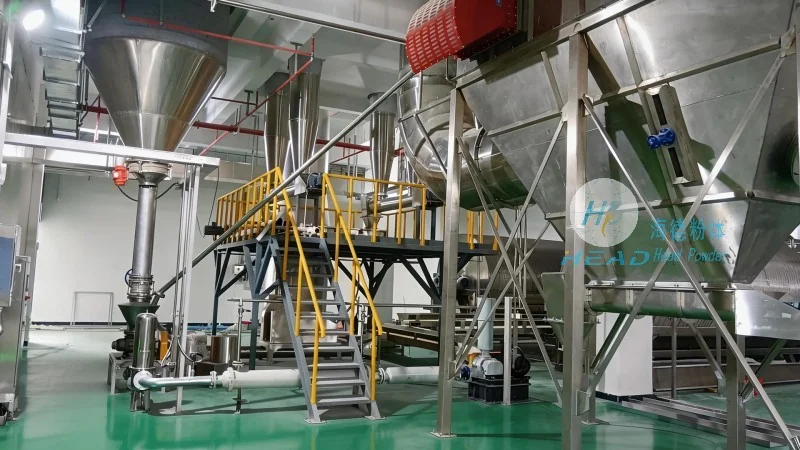
The pneumatic conveying system for aluminum dross typically consists of several critical components, each playing a vital role in the overall operation. The primary structures include the material feed hopper, the conveying pipeline, the air supply system, and the discharge unit. Each component is designed to work in harmony to ensure the smooth and continuous transport of aluminum dross from the source to the destination.
Material Feed Hopper
The material feed hopper is the initial structure where aluminum dross is stored and prepared for transport. It is usually a large, cylindrical or rectangular container with a sloped bottom to facilitate the flow of material. The hopper is equipped with a feeder mechanism, such as a rotary valve or a screw conveyor, which controls the rate of material discharge into the conveying pipeline. The design of the hopper is crucial as it must handle the bulk density and flow characteristics of aluminum dross, preventing blockages and ensuring consistent feed rates. The hopper is often constructed from durable materials like stainless steel or high-grade carbon steel to withstand the abrasive nature of aluminum dross and the corrosive effects of any residual chemicals.
Conveying Pipeline
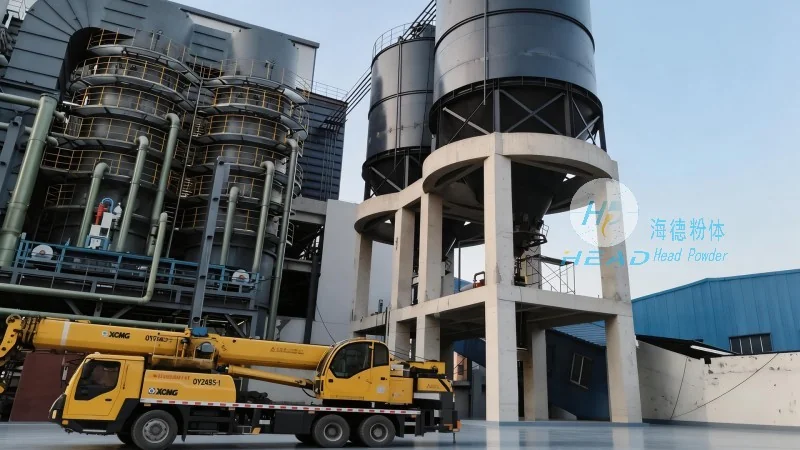
The conveying pipeline is the core structure of the pneumatic system, responsible for transporting aluminum dross through the air. It is typically made of high-quality steel or plastic, depending on the specific requirements of the application. The pipeline is designed with smooth, rounded bends and transitions to minimize pressure losses and prevent material deposition. The diameter of the pipeline is carefully selected based on the flow rate, material size, and air velocity to ensure efficient transport without excessive energy consumption. The pipeline may include sections with different diameters, such as a larger inlet section to accommodate the feed hopper and a smaller outlet section to reduce air velocity at the discharge point, optimizing the system's performance.
Air Supply System
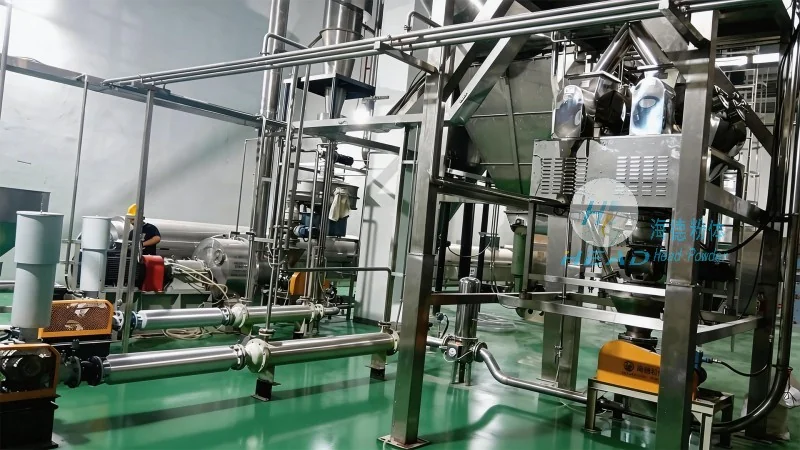
The air supply system is another critical structure that provides the necessary airflow to move aluminum dross through the pipeline. It consists of a blower or a fan, which generates the pressure and velocity required for conveying. The system includes a filter to remove any particulate matter from the air, ensuring that the conveying air remains clean and free from contaminants that could affect the material or the equipment. The air supply system is also equipped with pressure regulators and flow meters to monitor and control the air pressure and volume, allowing for precise adjustment of the conveying parameters. The blower is typically a positive displacement type, such as a rotary lobe or a centrifugal fan, chosen based on the system's capacity and the required pressure.
Discharge Unit
The discharge unit is the final structure where aluminum dross is released from the conveying system. It is usually a receiving hopper or a storage silo, designed to collect the material after it has been transported through the pipeline. The unit is equipped with a discharge valve or a conveyor to transfer the aluminum dross to the next processing stage or storage location. The design of the discharge unit is important to prevent material buildup and ensure smooth unloading. It may include features like a vibratory feeder or a rotary valve to control the discharge rate and maintain consistent flow. The unit is constructed from durable materials to withstand the impact and abrasion of the aluminum dross, ensuring long-term reliability.
Integration and Operational Considerations
The successful operation of a pneumatic conveying system for aluminum dross depends on the proper integration of all structural components. The feed hopper must be properly sized and positioned to ensure a consistent material flow, while the pipeline must be designed to minimize pressure drops and prevent material deposition. The air supply system must provide sufficient airflow and pressure to overcome the resistance of the pipeline and the material. The discharge unit must be capable of handling the material's characteristics and ensuring smooth unloading. Regular maintenance and monitoring of the system are essential to ensure optimal performance and prevent downtime. HeadPowder provides comprehensive support, including system design, installation, and maintenance services, to ensure that clients achieve the best possible results from their pneumatic conveying systems.