

Main Structures of Sand Pneumatic Conveying Systems
Understanding the core components of sand pneumatic conveying systems is essential for optimizing material handling efficiency and reliability in industrial applications. These systems are designed to transport sand and other fine particles through a network of pipes using air pressure or vacuum, and their effectiveness depends heavily on the integration of several key structural elements. Developed by Shandong HeadPowder Engineering Co., Ltd. (headpowder), these systems are engineered to meet the demands of various industrial sectors.
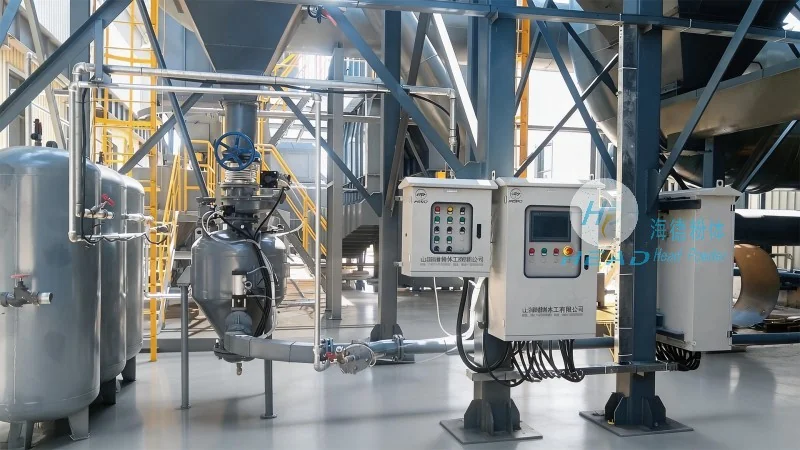
Overview of Sand Pneumatic Conveying Systems
Sand pneumatic conveying systems are engineered to move sand from a source to a destination, such as a storage silo or processing unit, without the need for mechanical components like belts or buckets. The primary goal is to achieve a smooth, continuous flow while minimizing material degradation and system wear. The structural design of these systems is critical to ensure consistent performance and longevity.
Key Structural Components
The main structures of sand pneumatic conveying systems typically include several interconnected parts that work in harmony to facilitate material transport. These components are carefully engineered to handle the unique challenges posed by sand, including its abrasive nature and tendency to clog or settle in pipes. Each component plays a vital role in the overall functionality of the system.
The Role of the Material Feed System
The material feed system is the initial stage of the sand pneumatic conveying process, responsible for introducing sand into the conveying line. This component often includes a hopper or feeder that can be equipped with a rotary valve or screw feeder to control the flow rate. The design of the feed system is crucial because it must prevent material buildup and ensure a consistent supply of sand to the rest of the system. The rotary valve, for example, is commonly used to regulate the flow and maintain a steady pressure within the pipeline.
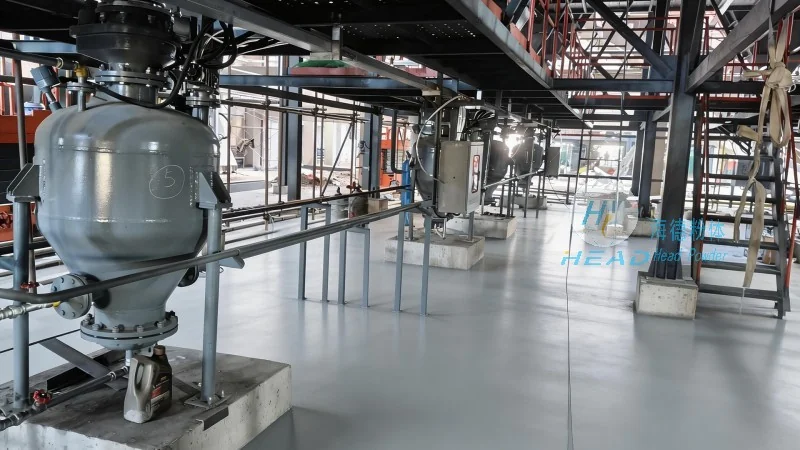
Pneumatic Conveying Lines and Pipe Selection
The conveying lines are the backbone of the sand pneumatic conveying system, responsible for transporting the sand through the system. The choice of pipe material and diameter is critical to the system's performance. For sand, which is abrasive, stainless steel or high-density polyethylene (HDPE) pipes are often preferred to withstand wear and prevent corrosion. The pipe diameter is typically selected based on the flow rate and particle size, with larger diameters used for higher flow rates to minimize pressure drop and energy consumption.
Pressure and Vacuum Systems
Pressure and vacuum systems provide the force needed to move the sand through the conveying lines. Positive pressure systems use compressed air to push the material forward, while negative pressure systems use suction to draw the material. The selection of a pressure or vacuum system depends on the application and the distance the sand needs to travel. For short distances, a positive pressure system may be sufficient, while longer distances may require a combination of both positive and negative pressure to maintain efficiency.
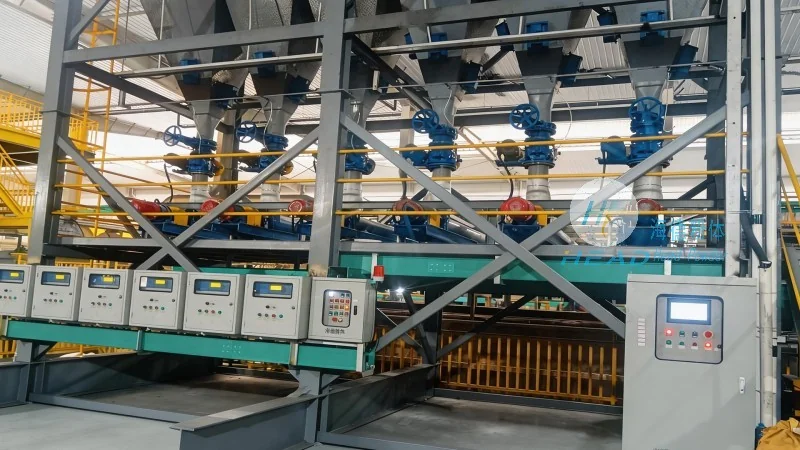
Separation and Collection Equipment
At the end of the conveying line, separation and collection equipment is used to remove air from the sand and collect the material. This component typically includes a cyclone separator or a filter, which uses centrifugal force to separate the sand from the air. The separated sand is then collected in a storage bin or silo, while the air is either vented to the atmosphere or recirculated back into the system. The design of the separator is critical to ensure that the sand is not lost and that the air is effectively cleaned.
Control and Monitoring Systems
Control and monitoring systems are essential for managing the operation of the sand pneumatic conveying system. These systems include sensors and controllers that monitor pressure, flow rate, and temperature, and can automatically adjust the system's parameters to maintain optimal performance. The control system may also include alarms and safety features to prevent overpressure or other hazards. By providing real-time data and feedback, these systems help operators to identify and resolve issues quickly, reducing downtime and improving overall efficiency.
Installation and Maintenance Considerations
The successful operation of a sand pneumatic conveying system depends on proper installation and regular maintenance. During installation, it is important to ensure that the pipes are properly aligned and that all connections are secure to prevent leaks or pressure loss. Regular maintenance includes cleaning the pipes and components, checking for wear and tear, and replacing any worn parts. Proper maintenance can extend the life of the system and reduce the risk of breakdowns.