

Main Pneumatic Conveying Structures for Red Beans
HeadPowder, a leading engineering firm based in Shandong, China, specializes in the design and implementation of specialized pneumatic conveying systems tailored for red bean processing. The company's expertise lies in creating efficient and reliable structures that ensure the safe and effective transportation of red beans from storage to processing units. This article explores the primary pneumatic conveying structures commonly used in red bean handling operations, highlighting their functionalities and applications.
Key Components of Pneumatic Conveying Systems for Red Beans
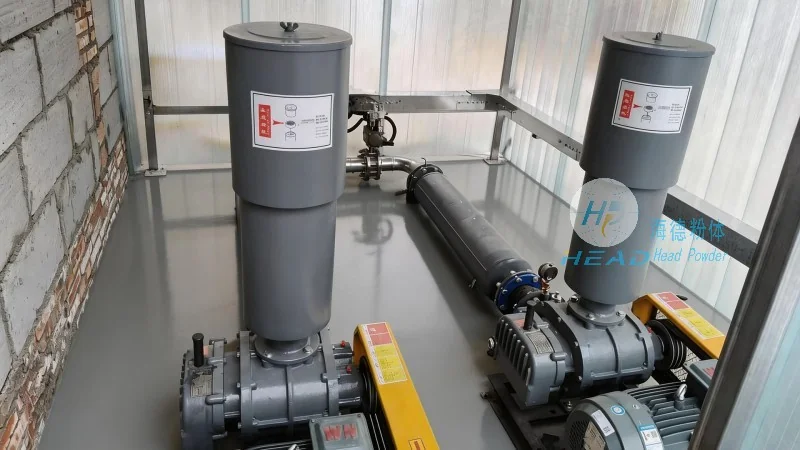
The pneumatic conveying system for red beans typically consists of several critical components that work in tandem to facilitate the movement of the product. These components include the hopper, which serves as the storage and feeding point for the red beans; the conveyor itself, which can be either positive pressure or negative pressure based on the system design; and the control valves that regulate the flow and pressure within the system. The hopper is often equipped with a feeder, such as a rotary valve or a screw feeder, to ensure a consistent and controlled discharge of the beans into the conveyor. The conveyor line may incorporate bends, elbows, and straight sections to navigate the path from the hopper to the processing equipment. Additionally, filters and dust collection systems are integrated to maintain air quality and prevent contamination, which is crucial for maintaining the quality of red beans during transport.
Types of Pneumatic Conveying Structures for Red Beans
There are primarily two types of pneumatic conveying structures used in red bean processing: positive pressure systems and negative pressure systems. Positive pressure systems operate by blowing air into the conveyor line, pushing the red beans forward. This method is often preferred for short to medium distances and when the product is sensitive to pressure changes. The positive pressure system typically includes a blower or a positive displacement pump that generates the necessary air pressure to move the beans. The system is designed with a sealed hopper and a discharge point at the processing unit, ensuring that the air and beans are contained within the system. Negative pressure systems, on the other hand, operate by creating a vacuum in the conveyor line, drawing the red beans into the system. This approach is suitable for longer distances and when the product needs to be handled gently to avoid breakage. The negative pressure system utilizes a vacuum pump or a fan to create the vacuum, and the hopper is usually open to the environment, allowing the beans to be drawn into the line. Both systems have their advantages and are chosen based on the specific requirements of the red bean processing facility, such as the distance between the storage and processing areas, the volume of beans to be transported, and the sensitivity of the product.
Advantages of Using Pneumatic Conveying Structures for Red Beans
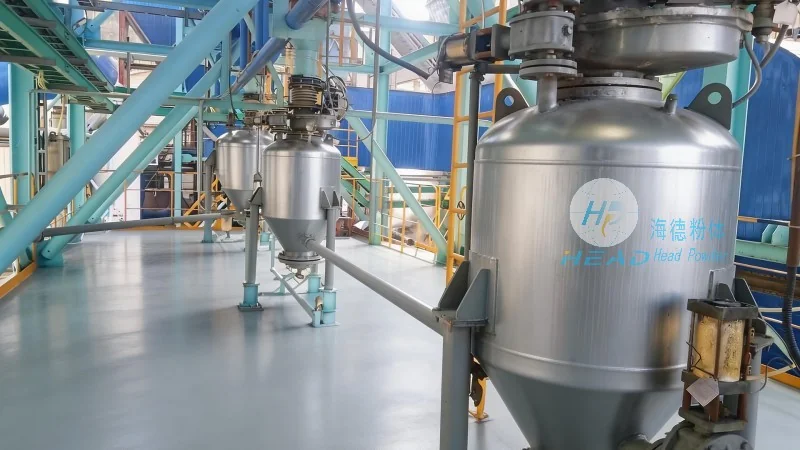
Implementing pneumatic conveying structures for red beans offers several advantages over traditional mechanical conveying methods. One of the key benefits is the ability to handle red beans in a closed system, which minimizes exposure to contaminants and dust, thereby preserving the quality and freshness of the product. This is particularly important for red beans, which are often used in food processing and require strict hygiene standards. The closed system also reduces the risk of cross-contamination with other products or environmental factors, ensuring that the beans remain clean and safe for consumption. Another advantage is the efficiency and speed of the system. Pneumatic conveying can transport red beans over longer distances in a shorter time compared to mechanical conveyors, which may require multiple components and more space. This efficiency helps in streamlining the processing workflow and reducing downtime in the red bean processing plant. Additionally, pneumatic conveying systems are relatively easy to install and maintain, with fewer moving parts compared to mechanical systems, which can lead to lower operational costs and longer service life. The flexibility of the system allows for adjustments in the conveyor path, making it suitable for facilities with varying layouts and processing requirements. Overall, the use of pneumatic conveying structures enhances the productivity and reliability of red bean handling operations.
Customization and Integration with Processing Equipment
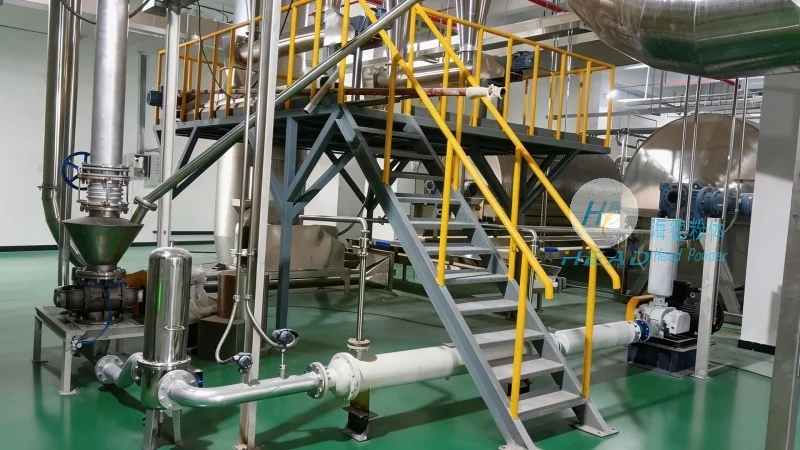
HeadPowder, with its expertise in engineering, offers customized pneumatic conveying structures that can be integrated seamlessly with existing processing equipment in red bean processing facilities. The company considers the specific needs of each client, including the type and volume of red beans, the processing capacity, and the available space, to design a system that meets all operational requirements. The customization process involves detailed analysis of the processing workflow, identification of the optimal conveyor path, and selection of the appropriate components, such as the hopper size, feeder type, and conveyor line material. The materials used in the construction of the pneumatic conveying system are chosen to be compatible with red beans, ensuring that they do not react with the product or cause contamination. For example, stainless steel is commonly used for the hopper and conveyor line due to its durability and resistance to corrosion, which is essential for maintaining the quality of red beans. The integration of the system with processing equipment, such as roasters, dryers, or packaging machines, is carefully planned to ensure smooth operation and minimal interruptions. HeadPowder's team of engineers works closely with clients to develop a comprehensive solution that not only meets the current processing needs but also allows for future expansion and upgrades. This approach ensures that the pneumatic conveying structure remains effective and efficient as the red bean processing facility grows and evolves.
Maintenance and Operational Considerations for Pneumatic Conveying Structures
Proper maintenance and operational considerations are crucial for the long-term performance and reliability of pneumatic conveying structures used in red bean processing. Regular maintenance is essential to ensure that the system operates efficiently and prevents breakdowns that could disrupt the processing workflow. The maintenance schedule typically includes routine checks of the hopper and feeder to ensure they are free from blockages or damage. The conveyor line and bends are inspected for any signs of wear or damage, such as cracks or corrosion, which could affect the flow of red beans or the quality of the air. The control valves and sensors are checked to ensure they are functioning correctly and providing accurate readings of pressure and flow. The filters and dust collection systems are cleaned or replaced as needed to maintain air quality and prevent clogging. Operational considerations also include monitoring the system's performance, such as the pressure and flow rates, to ensure they are within the optimal range. Adjustments may be made to the system parameters based on the volume of red beans being transported or changes in the processing schedule. Training of the facility staff on the proper operation and maintenance of the pneumatic conveying system is also important to ensure that they can handle any issues that may arise and keep the system running smoothly. By following a regular maintenance schedule and considering operational factors, the pneumatic conveying structure can provide reliable and efficient service for many years, ensuring the consistent handling of red beans in the processing facility.