

What are the main types of oat pneumatic conveying structures?
When it comes to efficiently handling oat grain in industrial settings, pneumatic conveying systems offer a reliable and efficient solution. These structures are designed to transport oat from storage silos or processing units to various stages of production, such as milling or packaging. The main types of oat pneumatic conveying structures include positive pressure systems, negative pressure systems, and hybrid systems, each with distinct characteristics and applications.
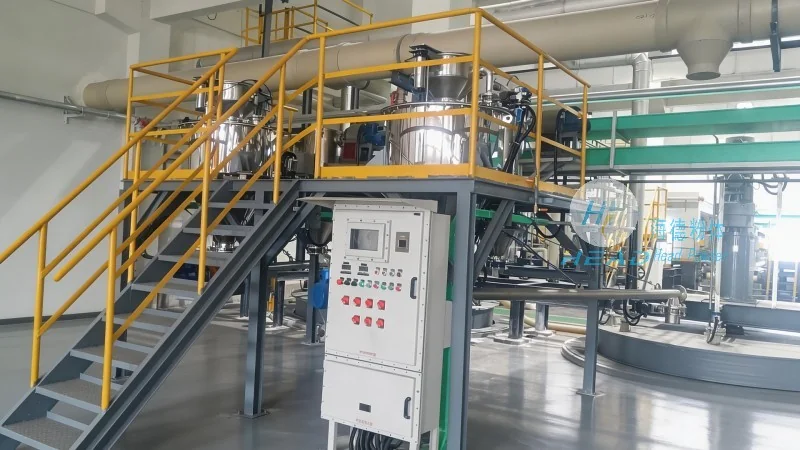
Positive Pressure Pneumatic Conveying Systems
Positive pressure systems, also known as pressure or blow systems, operate by blowing air or gas into the conveying line to move the oat. This method is ideal for long-distance and high-capacity transport. The system typically consists of a blower, a hopper, and a pipeline network. The blower generates the necessary pressure to push the oat through the system, ensuring consistent flow and minimal product degradation. For oat processing, this type of system is particularly useful when transporting large quantities of grain over significant distances, such as from a silo to a processing plant. The positive pressure approach helps maintain the quality of the oat by reducing exposure to air and preventing moisture loss.
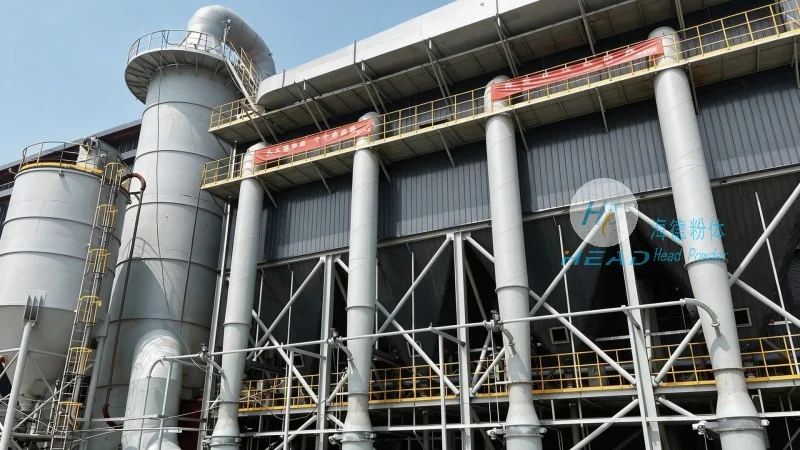
Negative Pressure Pneumatic Conveying Systems
Negative pressure systems, or vacuum systems, work by creating a vacuum in the conveying line to draw the oat into the system. This method is suitable for shorter distances and when the oat needs to be transported from multiple points into a central collection point. The system includes a vacuum pump, a hopper, and a collection tank. The vacuum pump pulls the oat through the pipeline, allowing for gentle handling of the grain. This type of system is often used in applications where the oat is being collected from several storage bins or processing units and needs to be consolidated into a single storage or processing area. The negative pressure approach helps minimize dust generation and ensures a clean and efficient transfer process.
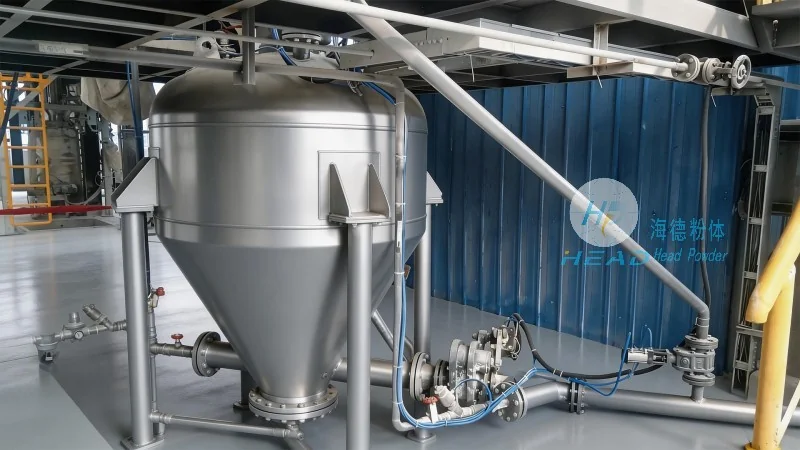
Hybrid Pneumatic Conveying Systems
Hybrid systems combine elements of both positive and negative pressure systems, offering flexibility and efficiency for diverse oat handling needs. These systems may use a combination of blowers and vacuum pumps to optimize the conveying process. For instance, a hybrid system might use a blower to push the oat from a primary hopper and a vacuum pump to assist in moving the grain from secondary points into the main pipeline. This approach is beneficial when dealing with complex layouts or varying transport distances. The hybrid design allows for better control over the flow rate and pressure, ensuring that the oat is conveyed safely and efficiently. In oat processing, hybrid systems are often employed in facilities that require both long-distance transport and the collection of grain from multiple sources.
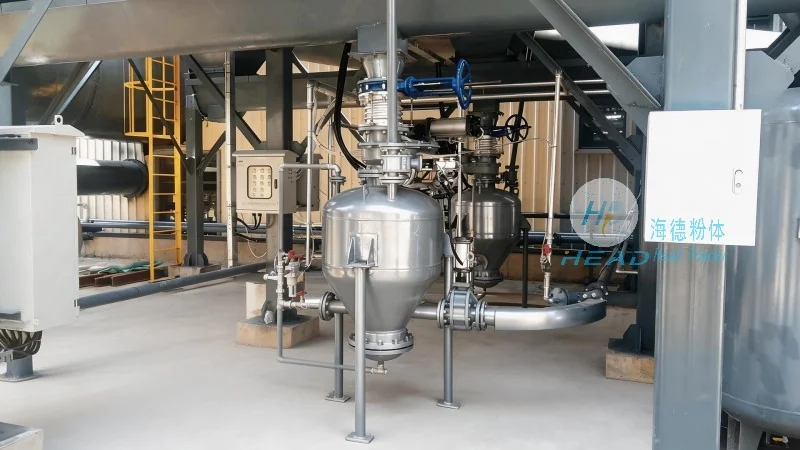
About Shandong HeadPowder Engineering Co., Ltd.
Shandong HeadPowder Engineering Co., Ltd., operating under the brand name headpowder, specializes in the design, manufacturing, and installation of pneumatic conveying systems for various agricultural products, including oats. With a focus on quality and innovation, the company provides customized solutions tailored to the specific needs of oat processing facilities. HeadPowder's expertise lies in creating efficient and reliable conveying structures that enhance productivity and maintain the quality of the oat grain. The company's facilities are located in Shandong, China, where it leverages advanced technology and skilled engineering to deliver high-performance pneumatic conveying systems. By combining years of experience in the industry with customer-centric approaches, headpowder has established itself as a trusted partner for oat processing operations worldwide.