

Main Types of Pneumatic Conveying Structures for Feathers
When it comes to efficiently handling feather materials, selecting the right pneumatic conveying system is crucial. These systems play a vital role in the processing and transportation of feathers, ensuring smooth operations in various industrial applications. Understanding the main types of pneumatic conveying structures for feathers is essential for optimizing material handling processes and improving overall efficiency.
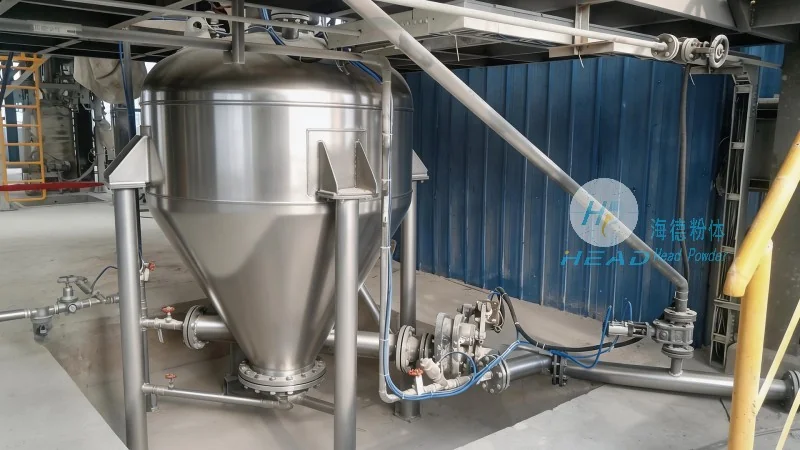
Introduction to Pneumatic Conveying Systems for Feathers
Pneumatic conveying systems utilize air or gas to transport solid materials, such as feathers, through a pipeline network. These systems are widely used in the feather processing industry due to their ability to handle delicate materials without causing damage. The main types of pneumatic conveying structures for feathers include positive pressure systems, negative pressure systems, and hybrid systems. Each type offers unique advantages and is suitable for different operational requirements.
Positive Pressure Pneumatic Conveying Systems
Positive pressure systems operate by blowing air or gas into the conveying line, creating a pressure higher than the ambient air pressure. This method is commonly used for transporting feathers over short to medium distances and in applications where the material is light and non-abrasive. The primary components of a positive pressure system include a blower, feeder, and conveying line. The blower provides the necessary air pressure to move the feathers through the system. The feeder ensures a consistent flow of feathers into the conveying line, preventing blockages and maintaining system efficiency. The conveying line is typically made of materials like stainless steel or plastic, which are resistant to corrosion and wear from the feather particles. Positive pressure systems are particularly effective for handling fine or powdery feather materials, as they can maintain a consistent flow without causing segregation or degradation of the material.
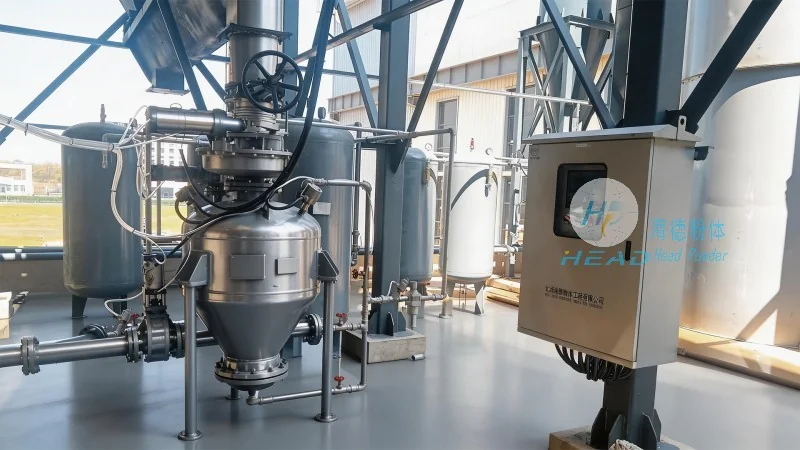
Negative Pressure Pneumatic Conveying Systems
Negative pressure systems, also known as vacuum systems, operate by creating a vacuum in the conveying line, drawing the feathers into the system. This method is ideal for applications where the material needs to be transported over longer distances or where the material is heavy and abrasive. The main components of a negative pressure system include a vacuum pump, hopper, and conveying line. The vacuum pump generates the necessary suction to draw the feathers from the source into the conveying line. The hopper serves as a collection point for the feathers, ensuring a continuous supply of material to the system. The conveying line is often equipped with filters and cyclones to separate the feathers from the air stream, preventing dust and debris from entering the system. Negative pressure systems are particularly suitable for handling larger or bulkier feather materials, as they can maintain a stable flow even with higher material loads.
Hybrid Pneumatic Conveying Systems
Hybrid systems combine the features of both positive and negative pressure systems, offering flexibility and adaptability for various feather handling applications. These systems can operate in either positive or negative pressure mode, depending on the operational requirements. The main components of a hybrid system include a dual-mode blower or vacuum pump, feeder, and conveying line. The dual-mode equipment allows the system to switch between blowing and suction modes as needed. The feeder and conveying line are designed to accommodate both pressure and vacuum operations, ensuring seamless transitions between modes. Hybrid systems are particularly useful for complex conveying routes or when the material characteristics change during the process. They provide the ability to handle a wide range of feather types and sizes, making them a versatile solution for industrial feather processing.
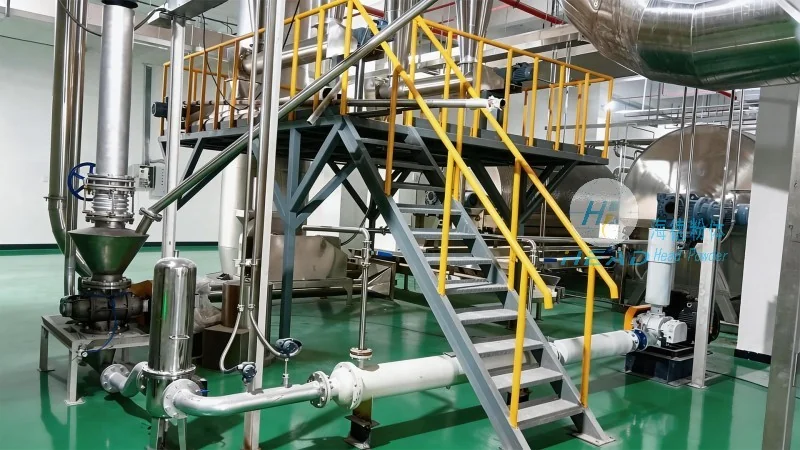
Key Considerations for Selecting Pneumatic Conveying Systems for Feathers
When selecting a pneumatic conveying system for feathers, several factors need to be considered to ensure optimal performance and efficiency. The first consideration is the material characteristics of the feathers, including their size, shape, and moisture content. These factors affect the flow properties and the type of system required. For example, fine or powdery feathers may require a positive pressure system with a fine mesh feeder to prevent blockages, while larger or bulkier feathers may benefit from a negative pressure system with a larger hopper. The second consideration is the distance and layout of the conveying route. Short distances may be suitable for positive pressure systems, while longer distances may require negative pressure systems or hybrid systems to maintain material flow. The third consideration is the system's capacity and throughput requirements. The system must be able to handle the desired volume of feathers without causing bottlenecks or inefficiencies. Additionally, the system's energy consumption and maintenance requirements should be evaluated to ensure cost-effectiveness and long-term reliability.
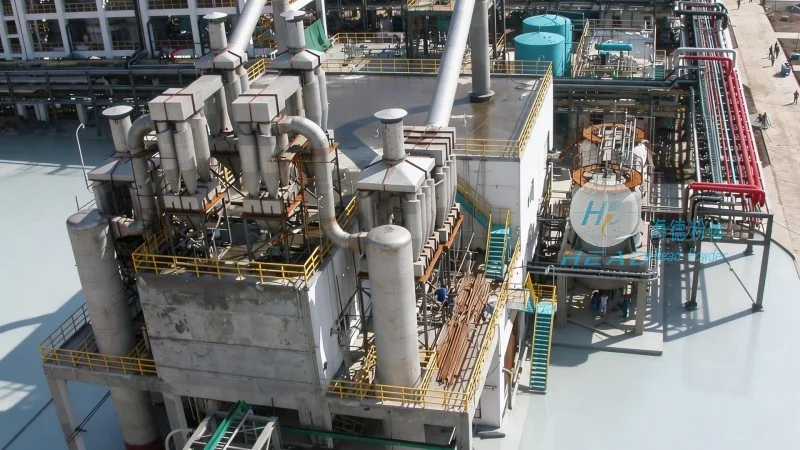
Applications of Pneumatic Conveying Systems in Feather Processing
Pneumatic conveying systems for feathers are widely used in various industrial applications, including feather sorting, cleaning, and processing. In feather sorting facilities, these systems are used to transport feathers from hoppers to processing equipment, such as cleaners or grinders. The positive pressure systems are often used for transporting sorted feathers to storage bins, while negative pressure systems are used for collecting feathers from the cleaning process. In feather processing plants, the systems are used to convey feathers from the raw material storage to the processing lines, ensuring a continuous supply of material. The hybrid systems are particularly useful in facilities that require both sorting and processing, as they can handle different material types and flow rates. The use of pneumatic conveying systems in feather processing improves operational efficiency, reduces labor costs, and minimizes material damage, making them an essential component of modern feather processing operations.
Conclusion
Understanding the main types of pneumatic conveying structures for feathers is crucial for optimizing material handling processes in the feather processing industry. Positive pressure, negative pressure, and hybrid systems each offer unique advantages and are suitable for different operational requirements. The selection of the appropriate system depends on factors such as material characteristics, conveying distance, and throughput requirements. By choosing the right pneumatic conveying system, feather processing facilities can improve efficiency, reduce costs, and ensure the quality of their products. As the demand for feather products continues to grow, the importance of efficient material handling systems will only increase, making pneumatic conveying a vital technology in the industry.