

Main Structures of Cotton Pneumatic Conveying Systems?
When discussing cotton pneumatic conveying systems, understanding the core structural components is essential for efficient operation and system design. These systems are engineered to handle the unique characteristics of cotton, such as its lightweight nature and potential for dust generation. The primary structures that constitute a typical cotton pneumatic conveying system include the feeding unit, conveying pipeline, separation equipment, and discharge mechanism. Each component plays a critical role in ensuring the smooth and effective transfer of cotton from one location to another. Shandong HeadPowder Engineering Co., Ltd., a leading manufacturer of cotton processing equipment, specializes in designing and manufacturing high-quality cotton pneumatic conveying systems that meet the specific needs of cotton processing facilities.
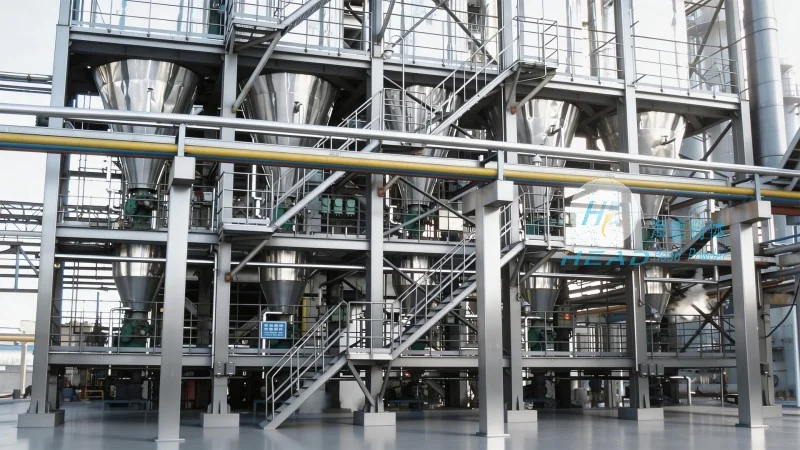
The Feeding Unit: Initiating the Conveying Process
The feeding unit is the starting point of any cotton pneumatic conveying system. It is responsible for introducing the cotton material into the system and preparing it for transport. Common feeding methods include rotary valves, star feeders, and hopper feeders. The rotary valve, for instance, uses a rotating drum to control the flow of cotton, ensuring a consistent and controlled feed rate. This component is crucial as it prevents material buildup and maintains the system's efficiency. The star feeder, on the other hand, uses rotating paddles to move cotton from the hopper into the conveying line, providing a steady flow. These feeding mechanisms are designed to handle the bulk nature of cotton while minimizing the risk of blockages or material loss. HeadPowder, with its expertise in cotton processing, ensures that feeding units are tailored to the specific cotton type and processing requirements of each client.
The Conveying Pipeline: The Core Transport Path
The conveying pipeline is the central part of the cotton pneumatic conveying system, responsible for transporting the cotton material through the system. It is typically made of stainless steel or other corrosion-resistant materials to withstand the abrasive nature of cotton and prevent contamination. The pipeline is usually arranged in a straight or slightly curved path, depending on the layout of the facility. The design of the pipeline is critical as it affects the system's efficiency and energy consumption. For example, a straight pipeline with minimal bends reduces pressure loss and energy usage, while curved sections may require additional air pressure to maintain the flow. The pipeline is also equipped with pressure sensors and flow meters to monitor the system's performance and detect any issues such as blockages or air leaks. Shandong HeadPowder Engineering Co., Ltd. designs pipelines with optimized curvature and material selection to ensure durability and minimal energy consumption.
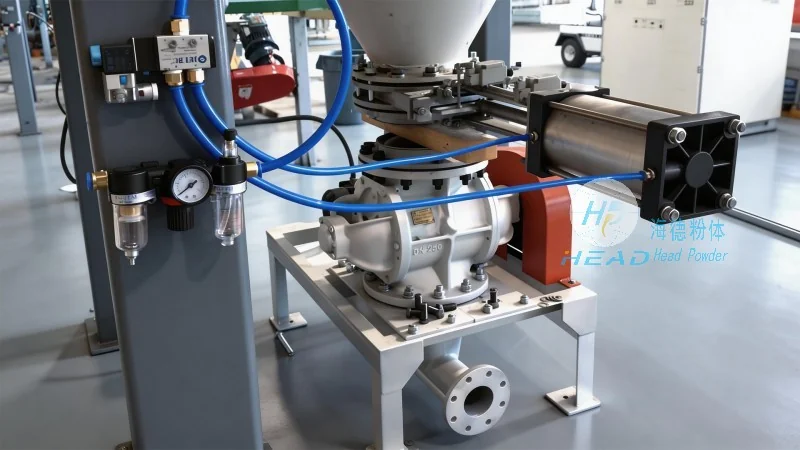
Separation Equipment: Ensuring Clean and Dry Cotton
After the cotton has been conveyed through the pipeline, it needs to be separated from the air and any impurities. The separation equipment, also known as a cyclone or separator, is responsible for this task. It uses centrifugal force to separate the cotton particles from the air stream. The cyclone typically consists of a cylindrical body with a conical bottom, where the air and cotton mixture enters at a high velocity. The centrifugal force causes the heavier cotton particles to move towards the walls of the cylinder and fall into the collection hopper, while the lighter air is discharged through the top of the cyclone. This separation process is crucial for maintaining the quality of the cotton and preventing dust accumulation in the system. The separator is also equipped with a filter or baghouse to capture any fine particles that may escape, ensuring that the discharged cotton is clean and free from contaminants. HeadPowder's separation equipment is engineered to handle high volumes of cotton and maintain consistent separation efficiency, reducing the risk of material loss and improving product quality.
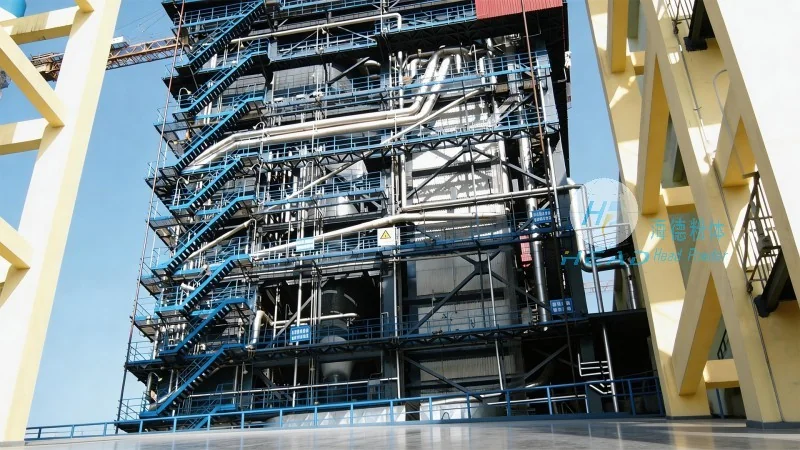
The Discharge Mechanism: Delivering Cotton to the Destination
The discharge mechanism is the final component of the cotton pneumatic conveying system, responsible for delivering the cotton to its intended destination. It can be a rotary valve, a star feeder, or a hopper, depending on the application. The rotary valve is commonly used for controlled discharge, allowing the cotton to be released in a controlled manner. The star feeder, on the other hand, is used for continuous discharge, providing a steady flow of cotton to the next process. The hopper is used for temporary storage before the cotton is transferred to the final destination. The discharge mechanism is designed to handle the bulk nature of cotton and prevent material loss or spillage. It is also equipped with a pressure relief valve to prevent overpressure and a safety valve to protect the system from damage. Shandong HeadPowder Engineering Co., Ltd. offers discharge mechanisms that are compatible with various downstream processes, ensuring seamless integration and efficient material transfer.
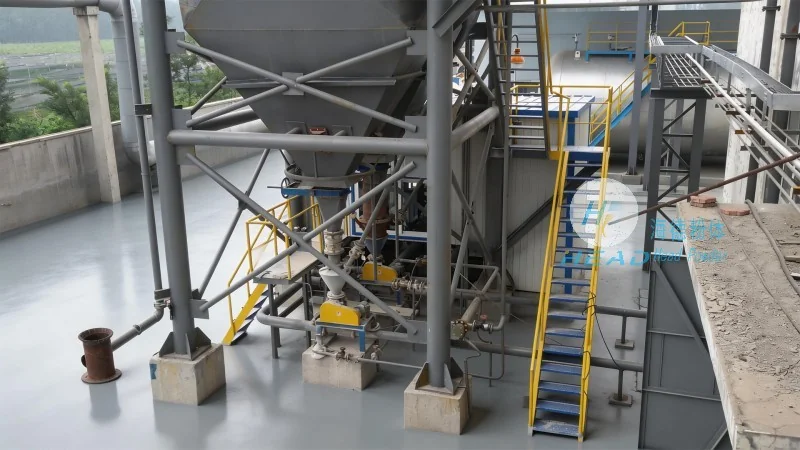
Additional Components and Considerations
In addition to the core components mentioned above, a cotton pneumatic conveying system may include additional equipment such as air compressors, filters, and control systems. The air compressor is responsible for generating the necessary air pressure to move the cotton through the system. It is typically a positive displacement compressor, such as a rotary or reciprocating type, which provides a consistent and reliable air supply. The filter is used to remove any dust or debris from the air stream, preventing it from entering the system and causing damage to the components. The control system is responsible for monitoring and controlling the operation of the system, including the feeding rate, air pressure, and flow rate. It is typically a programmable logic controller (PLC) or a computer-based system, which allows for easy adjustment and maintenance of the system. HeadPowder integrates these additional components to create a comprehensive and reliable cotton pneumatic conveying system that meets the specific requirements of each client.
Conclusion: The Importance of Proper Design and Maintenance
Understanding the main structures of cotton pneumatic conveying systems is essential for ensuring their efficient and reliable operation. Each component plays a critical role in the system's performance, and proper design and maintenance are crucial for maximizing its lifespan and efficiency. By selecting the appropriate components and following best practices, cotton processing facilities can achieve optimal performance and minimize downtime. The key to a successful cotton pneumatic conveying system lies in the integration of all components, ensuring that they work together seamlessly to achieve the desired results. Shandong HeadPowder Engineering Co., Ltd. provides comprehensive solutions for cotton pneumatic conveying systems, combining advanced design, high-quality components, and expert maintenance services to deliver reliable and efficient systems for cotton processing facilities worldwide.