

[M]Main Structures for the Pneumatic Conveying of Aluminum Sulfate
When it comes to the efficient and reliable transportation of aluminum sulfate through pneumatic conveying systems, several critical structures play a pivotal role in ensuring optimal performance and safety. These components are essential for managing the flow of the material, maintaining system integrity, and adapting to the specific characteristics of aluminum sulfate, which can vary in terms of particle size, moisture content, and bulk density. Understanding these key structures is crucial for engineers and operators in the chemical processing industry, as they directly impact the overall efficiency and longevity of the conveying process.
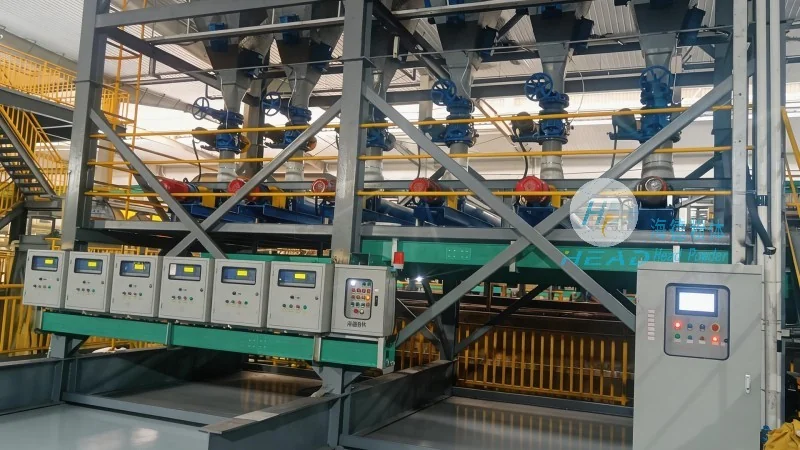
1. Conveying Ducts and Pipeline Systems
The primary structure in any pneumatic conveying system is the conveying duct or pipeline network. These ducts are responsible for transporting aluminum sulfate from the source point to the destination point. The design of the ducts is tailored to the specific properties of aluminum sulfate, such as its particle size distribution and flow characteristics. For instance, larger particles may require larger diameter ducts to prevent blockages and ensure smooth flow. The material of the ducts is typically chosen for its durability and resistance to corrosion, as aluminum sulfate can be corrosive to certain metals. Common materials include stainless steel, which offers excellent resistance to chemical attack and wear. The ducts are often equipped with bends and elbows that are designed to minimize pressure losses and maintain the integrity of the material flow. Properly sized and positioned ducts are essential to prevent material buildup and ensure consistent conveying rates.
2. Air Supply and Blower Systems
Air supply and blower systems are another critical component of the pneumatic conveying structure. These systems generate the necessary airflow to move aluminum sulfate through the ducts. The choice of blower depends on the system's requirements, including the conveying distance, material characteristics, and desired flow rate. Positive displacement blowers are commonly used for high-pressure, low-volume applications, while centrifugal blowers are suitable for lower-pressure, higher-volume operations. The blower system must be capable of maintaining a consistent air pressure to ensure that the material is continuously conveyed without interruptions. Additionally, the air supply system includes filters and moisture separators to ensure that the air used is clean and dry, preventing contamination of the aluminum sulfate and potential damage to the system components. Proper maintenance of the blower and air supply components is essential to prevent wear and ensure long-term operational efficiency.
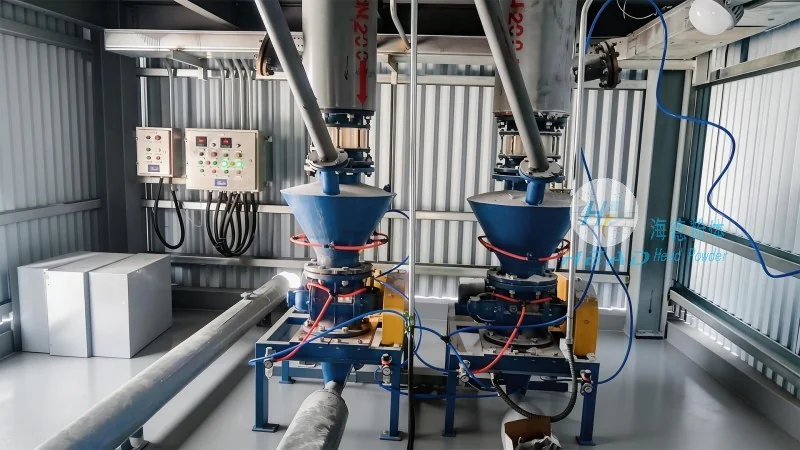
3. Feeders and Hopper Systems
Feeders and hopper systems are responsible for introducing aluminum sulfate into the conveying system at a controlled rate. The hopper is typically designed with a sloped bottom to facilitate the flow of material into the feeder. The feeder, which can be a screw feeder, rotary valve, or other type, regulates the amount of material that enters the duct. This control is crucial to prevent overloading the system and to maintain a consistent flow rate. The hopper and feeder must be constructed from materials that are compatible with aluminum sulfate to avoid corrosion or contamination. For example, stainless steel or specialized alloys are often used to ensure durability and purity. The design of the hopper also includes features such as level indicators and pressure relief valves to monitor the material level and prevent overpressure conditions. Properly designed feeders and hoppers ensure that the material is introduced smoothly and without blockages, contributing to the overall efficiency of the conveying process.
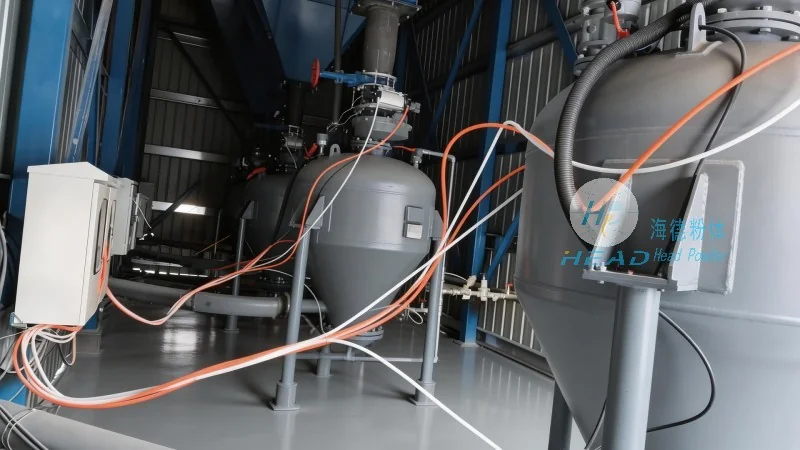
4. Dust Collection and Filtration Systems
Dust collection and filtration systems are essential for maintaining a clean and safe environment during the pneumatic conveying of aluminum sulfate. These systems capture any airborne particles that are generated during the conveying process and prevent them from being released into the workplace. The filtration system typically includes a cyclone separator and a baghouse or cartridge filter. The cyclone separator uses centrifugal force to separate larger particles from the air stream, while the filter captures finer particles. The collected dust is then disposed of or recycled, depending on the specific requirements of the operation. Proper maintenance of the dust collection system is critical to ensure that it operates effectively and does not become clogged, which could lead to system failures or safety hazards. The system must also be designed to handle the specific characteristics of aluminum sulfate dust, such as its potential to be hygroscopic or to generate static electricity.
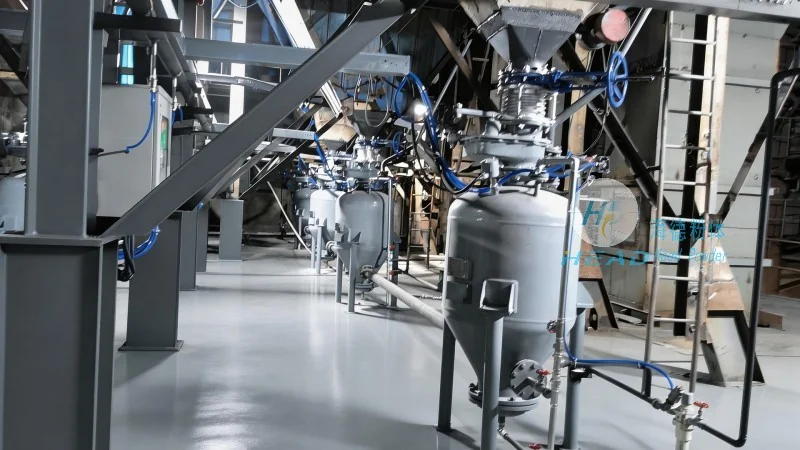
5. Control and Monitoring Systems
Control and monitoring systems are integral to the overall structure of the pneumatic conveying system. These systems allow operators to monitor and adjust the conveying process in real-time. Sensors are used to measure parameters such as pressure, flow rate, and material level, providing valuable data for process optimization. The control system can automatically adjust the blower speed, feeder rate, or other parameters to maintain optimal conditions. This automation helps to prevent overloading, underloading, or other operational issues that could affect the efficiency of the system. The monitoring system also includes alarms and indicators to alert operators to any abnormalities, such as pressure drops or material blockages. Properly designed control and monitoring systems enhance the safety and reliability of the pneumatic conveying process, ensuring that the system operates within its design limits and maintains consistent performance.
6. Safety and Maintenance Structures
Safety and maintenance structures are essential components of any pneumatic conveying system for aluminum sulfate. These structures are designed to protect operators and equipment from potential hazards. Safety features include pressure relief valves, emergency shut-off valves, and interlocks that prevent unauthorized access to the system. Regular maintenance is also critical to ensure the longevity and reliability of the system. This includes routine inspections of ducts, blower components, and filtration systems, as well as replacement of worn parts. The maintenance schedule is typically based on the system's operating hours and the specific characteristics of the material being conveyed. Proper maintenance not only extends the life of the equipment but also ensures that the system operates at peak efficiency, reducing downtime and operational costs.