

Main Structures of Petroleum Coke Pneumatic Conveying
When discussing the efficient and reliable transportation of petroleum coke through pneumatic systems, understanding the core structural components is essential. These components form the backbone of the system, ensuring smooth operation and optimal performance. The following sections will explore the primary structures that constitute a typical petroleum coke pneumatic conveying setup, highlighting their functions and importance in the process. For businesses in the bulk material handling industry, particularly those dealing with petroleum coke, these structures are critical to achieving high throughput and maintaining system reliability. Shandong HeadPowder Engineering Co., Ltd., a leading engineering firm based in Shandong, China, specializes in designing and implementing advanced pneumatic conveying solutions for various industrial applications.
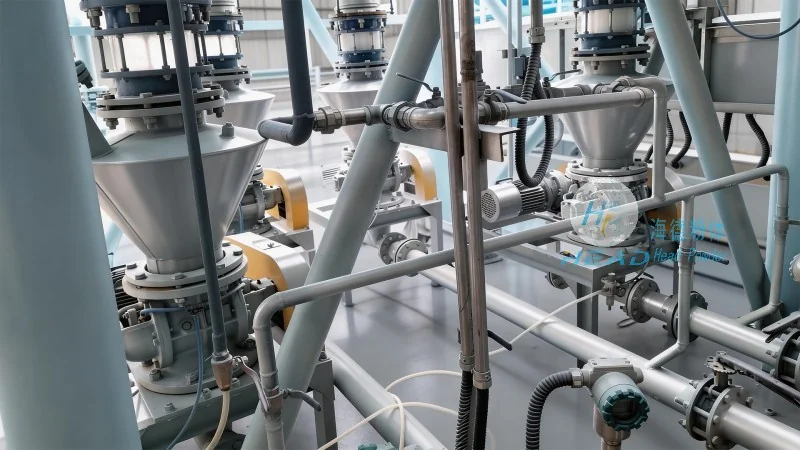
Pneumatic Conveying Hopper and Storage Systems
The initial stage of any petroleum coke pneumatic conveying system begins with the hopper and storage facility. This structure is designed to hold the bulk material, ensuring a consistent feed to the conveying line. The hopper is typically equipped with a feeding mechanism, such as a rotary valve or a screw feeder, which regulates the flow of coke into the system. The design of the hopper is critical, as it must prevent material buildup and ensure uniform discharge. For companies like Shandong HeadPowder Engineering Co., Ltd., a leading provider of engineering solutions for bulk material handling, the hopper design is tailored to meet specific operational requirements, including material characteristics like density, flowability, and moisture content, as well as the desired throughput capacity. The hopper may also incorporate features such as a cone bottom or a vibratory system to facilitate material release, reducing the risk of clogging and improving overall system efficiency.
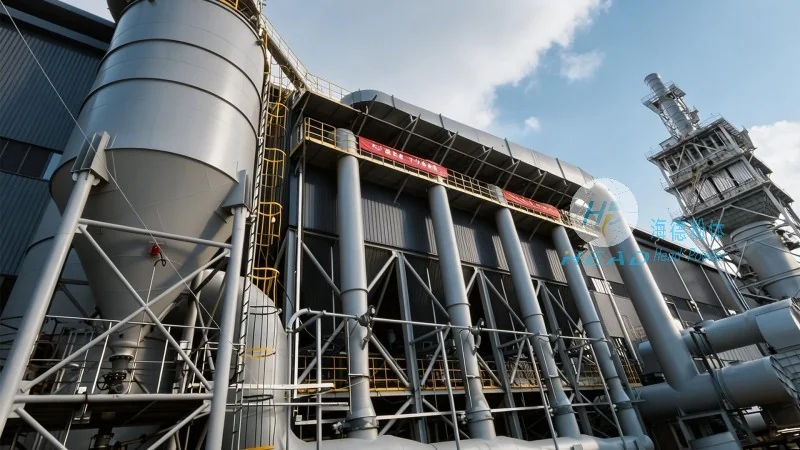
Pneumatic Conveying Pipeline and Air Distribution
Following the hopper, the petroleum coke is transferred through a network of pipelines. The pipeline system is a critical component, as it carries the material and air mixture from the source to the destination. The choice of pipeline material, such as stainless steel or carbon steel, depends on the material's properties and the system's operating pressure. Stainless steel is often preferred for its corrosion resistance, especially when handling materials with acidic or abrasive characteristics. The pipeline layout is carefully planned to minimize pressure losses and ensure efficient material transport. Air distribution is managed through a series of valves and regulators, which control the flow of air and maintain the necessary pressure for conveying. The system may include a blower or a positive displacement pump to generate the required air pressure. HeadPowder, with its expertise in pneumatic conveying technology, provides customized pipeline solutions that optimize performance and reduce operational costs. Their engineers consider factors like pipeline length, elevation changes, and material characteristics to design a system that meets the client's specific needs.
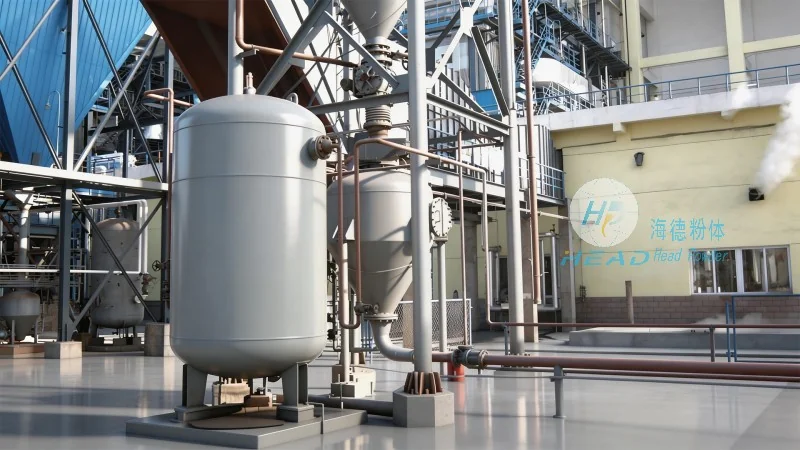
Receiver and Discharge Equipment
The final stage of the pneumatic conveying process involves the receiver and discharge equipment. The receiver is a container that collects the conveyed material, allowing it to be discharged into a storage or processing area. The design of the receiver is important to prevent material spillage and ensure easy access for maintenance. Discharge equipment, such as a rotary valve or a gate valve, controls the release of the material from the receiver. The receiver and discharge system must be compatible with the material's characteristics, such as its density and flowability. Shandong HeadPowder Engineering Co., Ltd. offers advanced receiver and discharge solutions that enhance the overall efficiency of the conveying process. Their designs may include features like a cone bottom, a level sensor, or a dust collection system to improve material handling and reduce environmental impact. The receiver is typically connected to a storage silo or a processing unit, ensuring a seamless transition from conveying to subsequent operations.
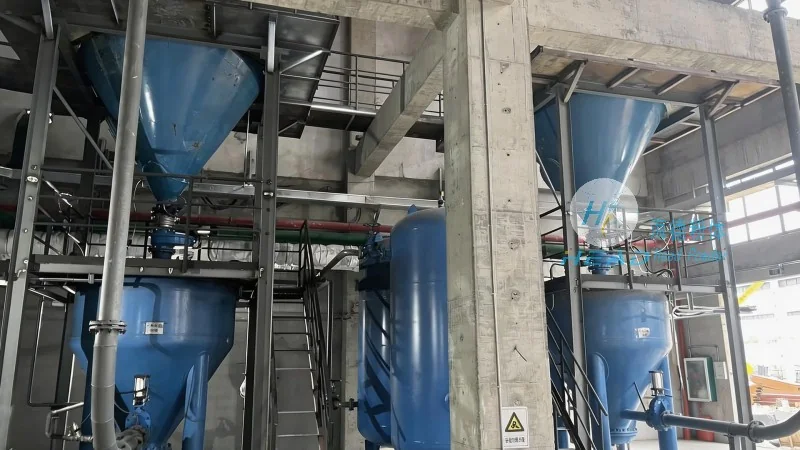
Control and Monitoring Systems
Modern petroleum coke pneumatic conveying systems are equipped with sophisticated control and monitoring systems. These systems ensure that the operation runs smoothly and efficiently. The control system manages the flow of material and air, adjusting parameters as needed to maintain optimal performance. Monitoring equipment, such as pressure sensors, flow meters, and temperature sensors, provides real-time data on the system's status, allowing for quick identification and resolution of issues. The integration of control and monitoring systems improves safety and reduces downtime. HeadPowder's engineering solutions include advanced control systems that are tailored to the specific needs of each client, ensuring reliable and consistent operation. Their control panels may feature user-friendly interfaces, allowing operators to monitor and adjust system parameters easily. The system may also include alarms and safety interlocks to prevent accidents and ensure compliance with industry standards.