

[MATCH]Main Types of Organic Fertilizer Pneumatic Conveying Structures
Organic fertilizer pneumatic conveying systems are essential for efficient material handling in agricultural and industrial applications. These systems utilize air to transport organic fertilizers, offering advantages such as reduced labor costs, improved safety, and enhanced process control. Understanding the main types of structures is crucial for selecting the most suitable system for specific operational needs.
Introduction to Organic Fertilizer Pneumatic Conveying Structures
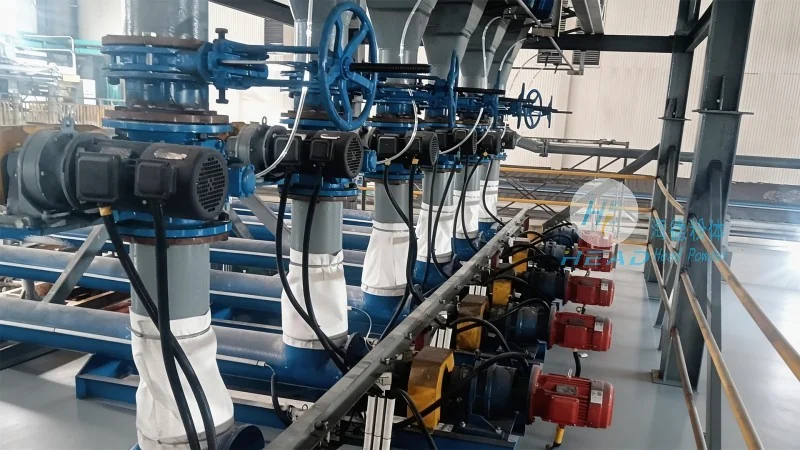
Organic fertilizer pneumatic conveying structures are designed to transport bulk organic materials like compost, manure, and other organic waste efficiently. The primary goal is to move these materials from storage or processing areas to application points with minimal loss and maximum efficiency. The choice of system depends on factors including material characteristics, distance to be conveyed, and the required flow rate. Key components typically include a feeding device, a conveying line, a separator, and a discharge mechanism. Each component plays a vital role in ensuring the system operates smoothly and reliably.
Key Components of Organic Fertilizer Pneumatic Conveying Systems
The effectiveness of an organic fertilizer pneumatic conveying system hinges on its core components. The feeding device, often a rotary valve or a screw feeder, ensures a consistent and controlled flow of material into the conveying line. The conveying line, usually made of metal or plastic, is where the material is propelled by air under pressure. A separator, such as a cyclone or a bag filter, is critical for separating the conveyed material from the air stream, preventing dust and debris from escaping into the environment. Finally, the discharge mechanism, which may include a rotary valve or a gate valve, controls the release of the material at the destination point. Proper integration of these components is essential for optimal performance and longevity of the system.
Types of Organic Fertilizer Pneumatic Conveying Structures
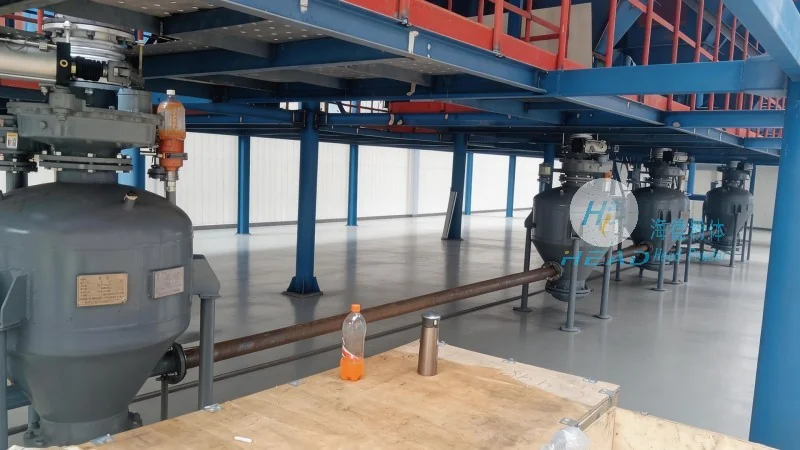
There are several main types of organic fertilizer pneumatic conveying structures, each suited to different operational requirements. The most common types include pressure systems, vacuum systems, and mixed systems. Pressure systems use compressed air to push the material through the conveying line, making them ideal for short to medium distances and high flow rates. Vacuum systems, on the other hand, use a vacuum to pull the material into the line, suitable for longer distances and lower flow rates. Mixed systems combine elements of both pressure and vacuum, offering flexibility for varied operational conditions. Additionally, there are specific designs tailored for handling different organic materials, such as high-moisture or abrasive substances.
Advantages of Organic Fertilizer Pneumatic Conveying Structures
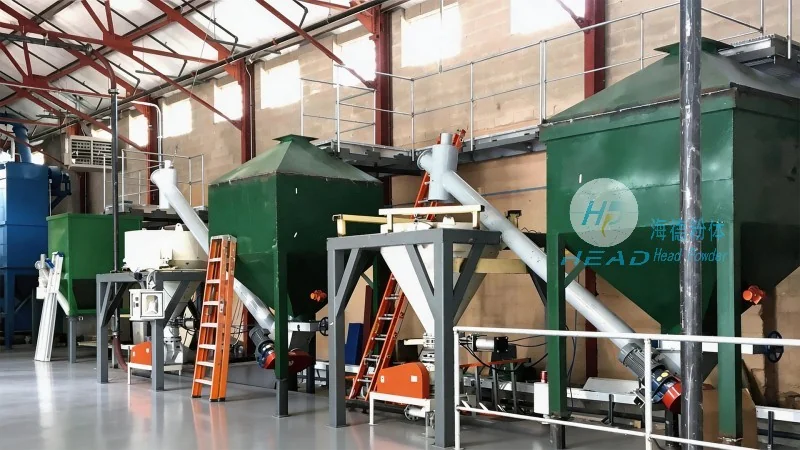
Organic fertilizer pneumatic conveying structures offer numerous benefits over traditional methods like belt conveyors or trucks. One of the most significant advantages is the reduction in labor costs, as automated systems minimize the need for manual handling. Safety is another key benefit, as the enclosed system prevents exposure to dust and odors, reducing health risks for workers. Process control is enhanced with precise flow rate adjustments, ensuring consistent application of fertilizers. Additionally, these systems are more environmentally friendly, as they minimize material spillage and reduce the carbon footprint associated with transportation. The ability to handle a wide range of organic materials, from fine powders to larger granules, further adds to their versatility.
Considerations for Selecting the Right Organic Fertilizer Pneumatic Conveying Structure
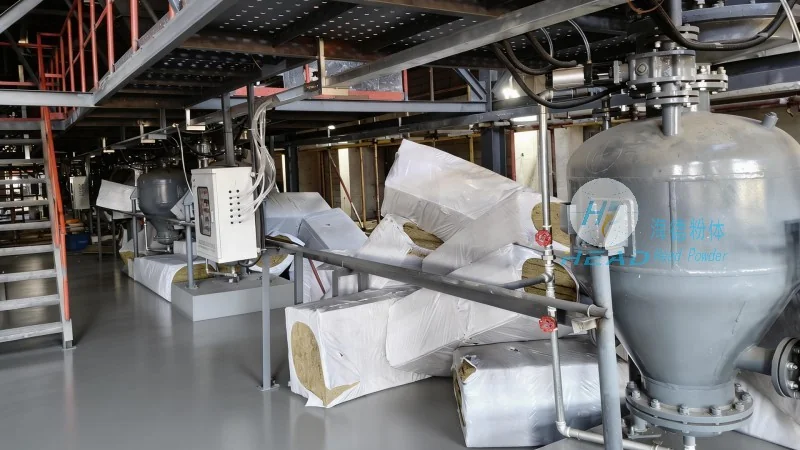
When selecting an organic fertilizer pneumatic conveying structure, several factors must be considered to ensure optimal performance and cost-effectiveness. The first consideration is the material characteristics, including particle size, moisture content, and abrasiveness. These factors influence the choice of components, such as the type of feeding device and the material of the conveying line. The distance and elevation change between the source and destination points are also critical, as they determine whether a pressure or vacuum system is more suitable. The required flow rate and throughput capacity must align with the operational needs of the facility. Additionally, the budget and available space for installation are important factors. Consulting with experts, such as Shandong HeadPowder Engineering Co., Ltd., can provide valuable insights into the most suitable system for specific applications.
Conclusion
Organic fertilizer pneumatic conveying structures are a vital component of modern agricultural and industrial operations, offering efficient and reliable material handling solutions. By understanding the main types of structures and their components, as well as the advantages and considerations for selection, organizations can choose the most appropriate system to meet their needs. With proper design and maintenance, these systems can significantly improve operational efficiency, reduce costs, and enhance environmental sustainability. Shandong HeadPowder Engineering Co., Ltd., a leading provider in this field, offers expert solutions tailored to the unique requirements of each project, ensuring optimal performance and long-term success.