

Main Structures of Pneumatic Conveying Systems for Metal Silicon
When it comes to the efficient and reliable transportation of metal silicon, the choice of pneumatic conveying structures plays a crucial role. Metal silicon, a vital material in various industrial applications, requires specialized systems to ensure safe and effective handling. This article explores the main structures commonly used in pneumatic conveying systems for metal silicon, highlighting their design principles, operational advantages, and practical applications.
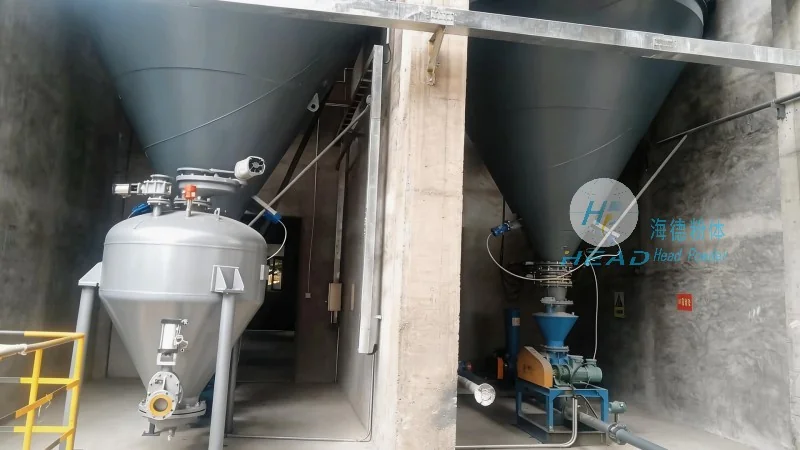
Key Components and Structures in Metal Silicon Pneumatic Conveying
The core of any pneumatic conveying system for metal silicon involves several key structures that work in tandem to achieve optimal performance. These components are engineered to handle the unique properties of metal silicon, such as its density, particle size, and potential reactivity. The primary structures include the feed hopper, the conveying pipeline, the air supply system, and the discharge unit. Each of these components is designed to minimize material degradation, ensure consistent flow rates, and maintain system efficiency.
Feed Hopper Design for Metal Silicon Handling
The feed hopper is the initial structure where metal silicon is loaded into the pneumatic conveying system. It is typically designed as a vertical or inclined hopper with a conical bottom to facilitate uniform material flow. The hopper is equipped with a feeder mechanism, such as a rotary valve or a screw feeder, which controls the rate of material discharge into the conveying pipeline. For metal silicon, which can be abrasive and potentially cause wear, the hopper is often constructed from high-quality stainless steel or other corrosion-resistant materials. This design ensures durability and prevents material buildup that could lead to blockages or uneven flow.
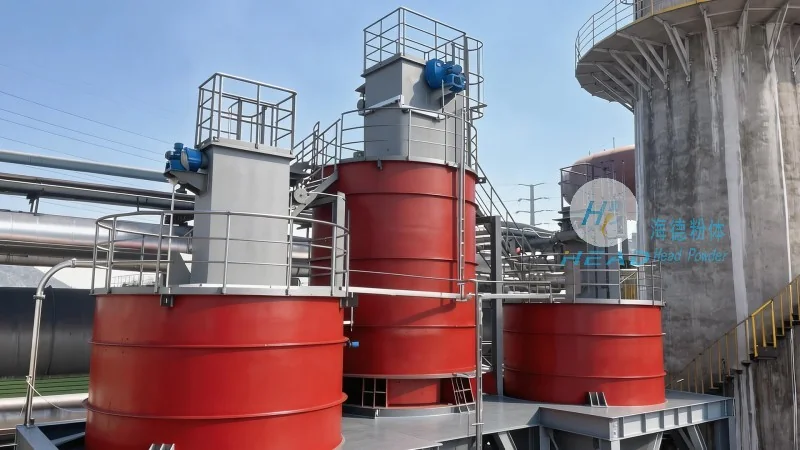
Conveying Pipeline and Air Supply System
The conveying pipeline is a critical structure that transports metal silicon particles through the system under pressure. The pipeline is usually made of stainless steel or plastic, depending on the specific requirements and the potential for material interaction with the pipe surface. The air supply system, which generates the necessary pressure and flow of air, is typically powered by a blower or a compressor. The air is introduced into the pipeline at the feed hopper end, creating a flow that carries the metal silicon particles forward. The design of the pipeline, including its diameter and length, is carefully calculated to maintain the optimal air-to-material ratio, ensuring efficient transportation without excessive energy consumption.
Discharge Unit and Material Separation
The discharge unit is the final structure in the pneumatic conveying system where metal silicon is deposited at the destination. This unit is designed to separate the metal silicon particles from the air stream and collect them in a container or storage bin. Common discharge methods include gravity discharge, where the material is allowed to settle under gravity, or mechanical discharge, using a rotary valve or a screw conveyor. The discharge unit is also equipped with a dust collection system to prevent air pollution and ensure compliance with environmental regulations. For metal silicon, which may have fine particles that can cause dust, the discharge unit is often fitted with a filter or a cyclone separator to capture and recycle the fine particles.
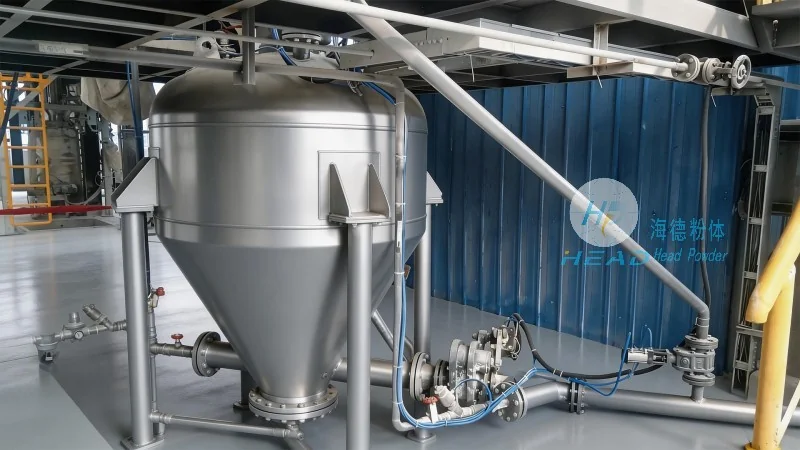
Advantages of Pneumatic Conveying Structures for Metal Silicon
Implementing specialized pneumatic conveying structures for metal silicon offers several advantages over traditional methods like belt conveyors or bucket elevators. These structures provide a closed system, which minimizes material exposure to the environment and reduces the risk of contamination. The closed system also helps in controlling dust and preventing the release of harmful particles into the air. Additionally, pneumatic conveying systems are more flexible in terms of layout, allowing for vertical, horizontal, or combined vertical-horizontal configurations to suit the specific site requirements. This flexibility enables efficient material transport even in complex industrial settings.
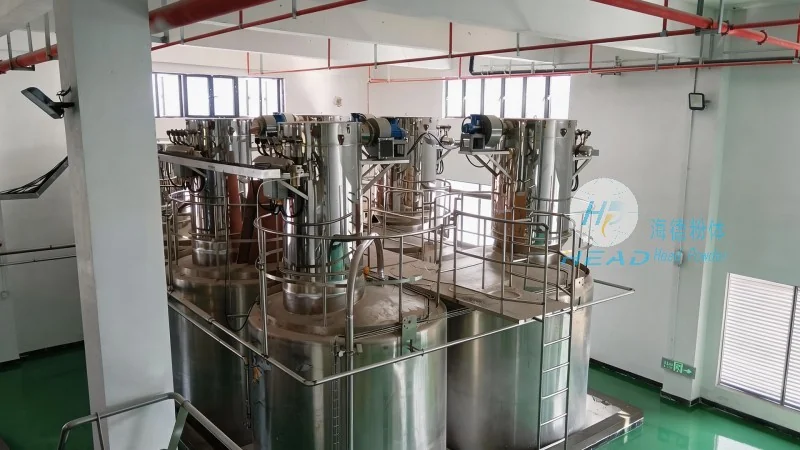
Applications and Industry Use Cases
Pneumatic conveying structures for metal silicon are widely used in various industries, including metallurgy, chemical processing, and material handling. In the metallurgy industry, these systems are used to transport metal silicon from storage silos to production lines, ensuring a steady supply of raw material. In chemical processing, they are employed to move metal silicon in reaction vessels or mixing tanks, facilitating the manufacturing of silicon-based compounds. The versatility of these structures makes them suitable for both large-scale industrial operations and smaller-scale applications, such as in research laboratories or pilot plants.
Conclusion and Company Information
Choosing the right pneumatic conveying structures for metal silicon is essential for maintaining operational efficiency and ensuring product quality. The structures discussed, including the feed hopper, conveying pipeline, air supply system, and discharge unit, are designed to handle the unique challenges posed by metal silicon. By leveraging these specialized systems, industries can achieve reliable and safe transportation of metal silicon, reducing downtime and improving overall productivity. As a leading provider in this field, Shandong HeadPowder Engineering Co., Ltd. specializes in designing and manufacturing high-quality pneumatic conveying systems tailored to the specific needs of metal silicon handling. With our expertise and commitment to quality, we help clients optimize their material transport processes and enhance their operational performance.