

Main Structures of Plastic Pellet Pneumatic Conveying Systems
Plastic pellet pneumatic conveying systems are critical in modern material handling, enabling efficient and safe transport of plastic granules across various industrial applications. These systems utilize air as the conveying medium, offering advantages such as reduced contamination, minimal product degradation, and the ability to handle materials in enclosed environments. Understanding the main structural components of these systems is essential for optimizing performance and ensuring reliable operation.
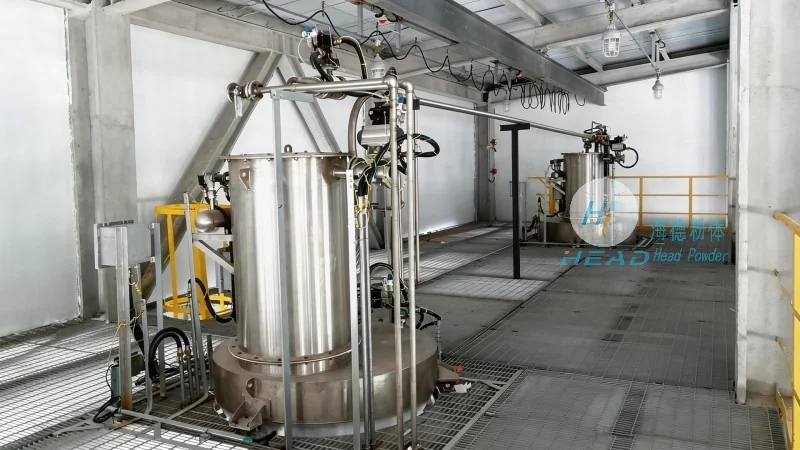
Key Structural Components of Plastic Pellet Pneumatic Conveying Systems
The core structures of plastic pellet pneumatic conveying systems are designed to facilitate the entire conveying process, from material intake to final discharge. The primary components typically include: the feeding device, conveying pipeline, separation equipment, and receiving container. Each component plays a vital role in maintaining system efficiency and product integrity.
Absorption Type Pneumatic Conveying Systems
Absorption type systems, also known as suction systems, are commonly used for conveying plastic pellets from a source to a collection point. These systems operate by creating a negative pressure in the pipeline, which draws the material from the source. The main structural elements of an absorption system include:
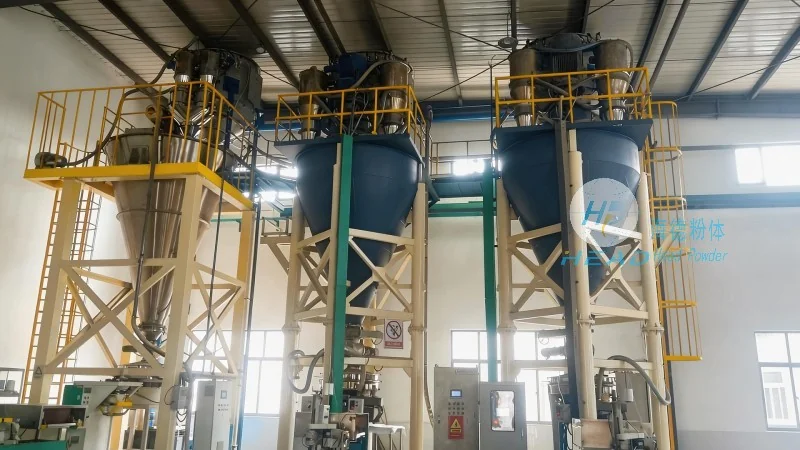
- Feeding Hopper: A container that holds the plastic pellets and provides a controlled flow of material into the system. The hopper is often equipped with a rotary valve or a star feeder to regulate the discharge rate.
- Conveying Pipeline: The pipeline is typically made of stainless steel or other corrosion-resistant materials to ensure durability and prevent contamination. The pipeline is designed with smooth internal surfaces to minimize friction and maintain consistent air flow.
- Filter and Separator: This component is crucial for removing dust and other particles from the air stream. The separator often includes a cyclone or a bag filter to ensure clean air is released back into the environment.
- Receiving Container: The system ends with a container that collects the conveyed plastic pellets. The container is usually equipped with a level indicator to monitor the material level.
Pressurized Type Pneumatic Conveying Systems
Pressurized systems, or pressure systems, are used when the conveying distance is longer or when the material needs to be transported against gravity. These systems operate by creating positive pressure in the pipeline, pushing the material forward. The main structural components of a pressurized system include:
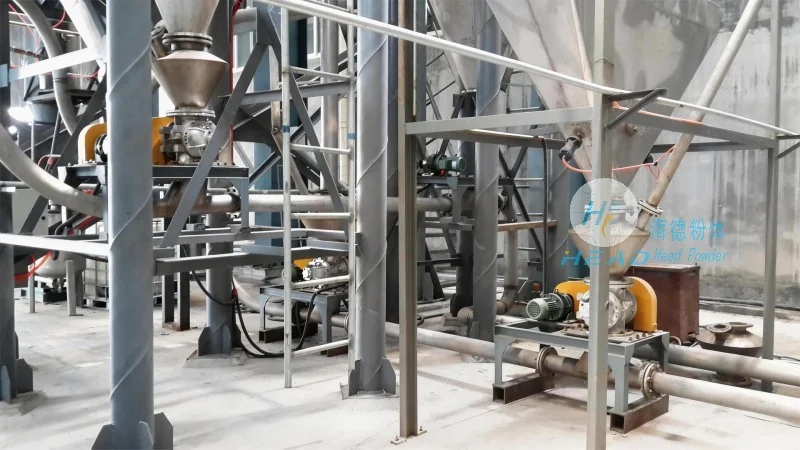
- Material Loader: A device that introduces the plastic pellets into the pressurized pipeline. This can be a rotary valve, a screw feeder, or a pressure feeder, depending on the system design.
- Conveying Pipeline: Similar to absorption systems, the pipeline is made of durable materials and designed for high-pressure operation. The pipeline may include expansion joints or flexible connectors to accommodate thermal changes and reduce stress.
- Pressure Regulator: This component controls the air pressure within the system, ensuring consistent conveying velocity and preventing overpressurization.
- Receiving Hopper: The system concludes with a hopper that collects the conveyed pellets. The hopper may include a discharge valve or a rotary valve to control the release of material.
Mixed Type Pneumatic Conveying Systems
Mixed systems combine the features of both absorption and pressurized systems, offering flexibility for various conveying requirements. These systems are often used in complex layouts where both suction and pressure are needed. The main structural elements include:
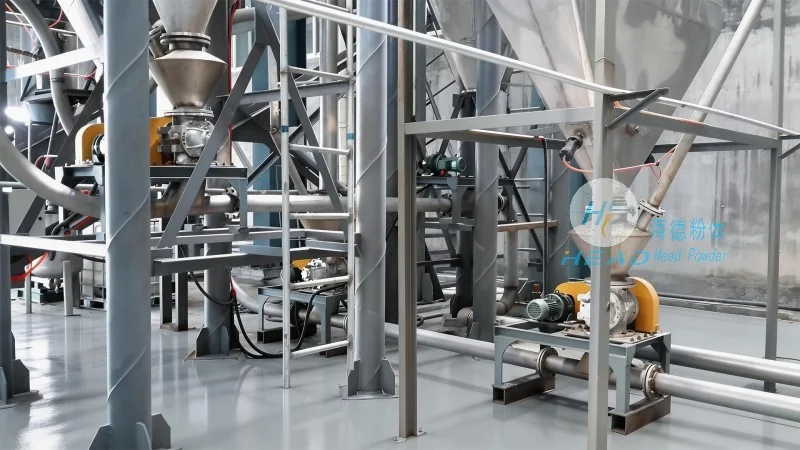
- Combined Feeding and Discharge: The system integrates both suction and pressure components, allowing for material transport in multiple directions.
- Modular Pipeline Design: The pipeline is designed with modular sections that can be adjusted or reconfigured to suit different conveying paths.
- Integrated Control System: Advanced control systems manage the pressure and flow rates, optimizing the conveying process and reducing energy consumption.
Specialized Components for Plastic Pellet Handling
For specific applications, additional components may be included to enhance the performance of plastic pellet pneumatic conveying systems. These may include:
- Heat Exchangers: Used to control the temperature of the plastic pellets during conveying, especially for heat-sensitive materials.
- Dehumidifiers: To remove moisture from the air stream, preventing moisture-related issues such as product clumping or degradation.
- Vibration Isolators: To reduce noise and vibration from the system, improving workplace safety and comfort.
Conclusion and Company Information
Plastic pellet pneumatic conveying systems are essential for efficient material handling in the plastic industry. The main structural components, including feeding devices, conveying pipelines, separation equipment, and receiving containers, work together to ensure reliable and efficient operation. Shandong HeadPowder Engineering Co., Ltd., a leading provider of pneumatic conveying solutions, specializes in designing and manufacturing customized systems tailored to specific industrial needs. With a focus on quality and innovation, HeadPowder delivers robust and efficient plastic pellet pneumatic conveying systems that meet the highest industry standards. Based in Shandong, China, the company leverages advanced technology and expertise to provide comprehensive solutions for material handling challenges in the plastic processing sector.