

Main Types of Foam Particle Pneumatic Conveying Structures
Foam particle pneumatic conveying is a critical method for transporting bulk materials, particularly in industries where dust control and material handling efficiency are paramount. The structural design of such systems plays a pivotal role in ensuring reliable operation, material integrity, and system longevity. Understanding the main types of foam particle pneumatic conveying structures is essential for selecting the appropriate solution for specific industrial applications.
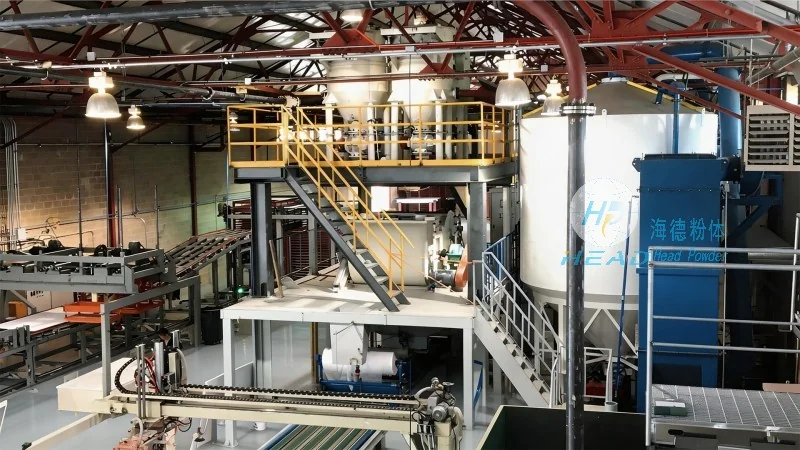
Key Structural Components and System Variants
The primary structures of foam particle pneumatic conveying systems can be categorized based on the pressure differential between the conveying line and the ambient environment. The most common variants include positive pressure systems, negative pressure systems, and hybrid systems. Each type has distinct characteristics that influence its suitability for different material properties and operational requirements.
Positive Pressure Conveying Systems
Positive pressure systems operate by generating air pressure within the conveying line that is higher than the ambient pressure. This approach is particularly effective for materials that are prone to degradation or contamination, as the enclosed system minimizes exposure to external elements. The main components of a positive pressure system typically include a blower or fan, a material feed hopper, a conveying line, and a receiver or discharge unit. The air flow is directed through the system, carrying the foam particles from the source to the destination. This structure is widely used in industries such as food processing, pharmaceuticals, and fine chemicals, where maintaining product quality is non-negotiable.
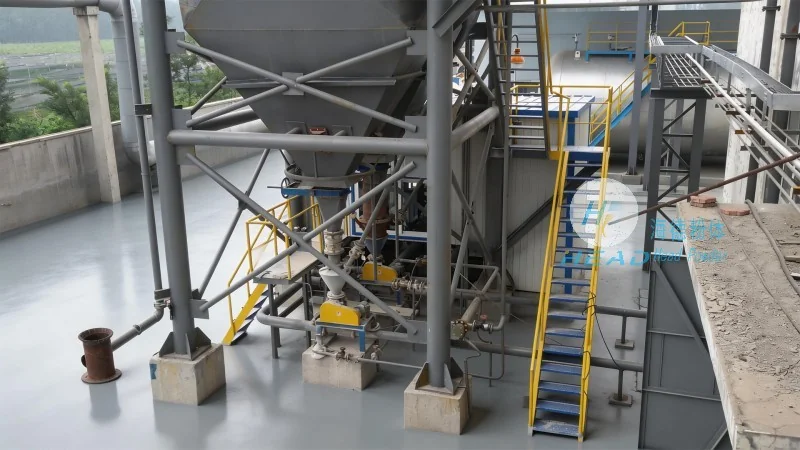
Negative Pressure (Vacuum) Conveying Systems
Negative pressure systems, also known as vacuum conveying systems, create a lower pressure within the conveying line compared to the ambient environment. The system draws material from the source into the line using a vacuum pump. This method is advantageous for handling fine or dusty materials, as it reduces the risk of dust dispersion and improves material containment. The key components of a negative pressure system include a vacuum pump, a material feed hopper, a conveying line, and a filter or dust collection unit. The vacuum pulls the material into the system, and the air flow carries the particles to the receiver. This structure is commonly employed in applications involving powders, granules, and other light materials that require gentle handling.
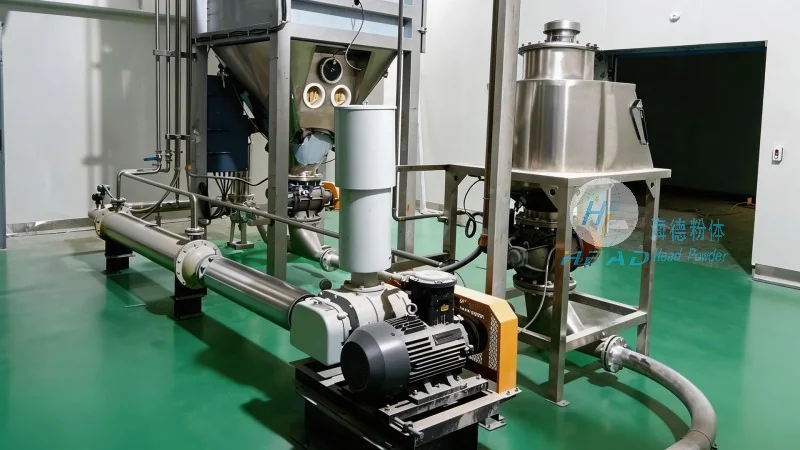
Hybrid Conveying Systems
Hybrid systems combine elements of both positive and negative pressure designs to leverage the benefits of each approach. These systems often use a combination of blowers and vacuum pumps to achieve optimal conveying performance. For instance, a hybrid system might employ a positive pressure blower to move material from a hopper to a transfer point, followed by a vacuum pump to draw the material through a flexible hose to the final destination. This design allows for flexible routing and can handle a wider range of material types and distances. Hybrid structures are particularly useful in complex industrial setups where multiple material sources and destinations are involved.
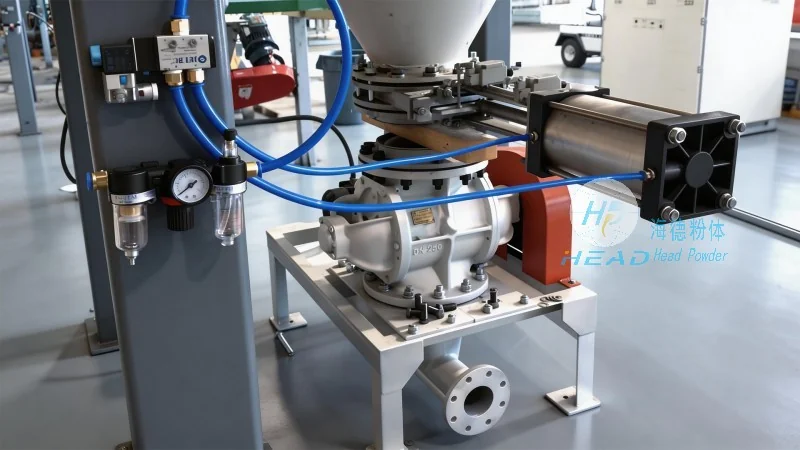
Specialized Structures for Foam Particle Handling
Beyond the basic pressure variants, specialized structures are designed to address unique challenges in foam particle conveying. For example, systems with integrated foam generation units are used when the material itself does not naturally form foam. These structures include a foam generator that mixes air and liquid to create a stable foam, which then carries the particles through the conveying line. Another specialized design is the loop or recirculation system, which uses a closed loop to recycle air and reduce energy consumption. These advanced structures are often employed in high-volume applications where efficiency and cost-effectiveness are critical.
About Shandong HeadPowder Engineering Co., Ltd.
Shandong HeadPowder Engineering Co., Ltd., operating under the brand name HeadPowder, is a leading provider of foam particle pneumatic conveying solutions. With headquarters in Shandong, China, the company specializes in designing, manufacturing, and implementing customized conveying systems tailored to the specific needs of various industries. HeadPowder's expertise lies in understanding the unique material properties and operational constraints of each client, enabling the development of efficient and reliable structures that meet stringent industry standards. The company's commitment to quality and innovation ensures that its products are built to last, providing long-term value to customers.