

Main Structures in Pneumatic Conveying Systems for Calcium Oxide Powder
For industrial applications involving the transport of calcium oxide powder, understanding the core structural components of pneumatic conveying systems is crucial. These systems are designed to efficiently move bulk materials like calcium oxide from one location to another, ensuring minimal loss and optimal performance. The following sections outline the primary structures that constitute a typical pneumatic conveying system for calcium oxide powder, as provided by Shandong HeadPowder Engineering Co., Ltd., a leading manufacturer in this field.
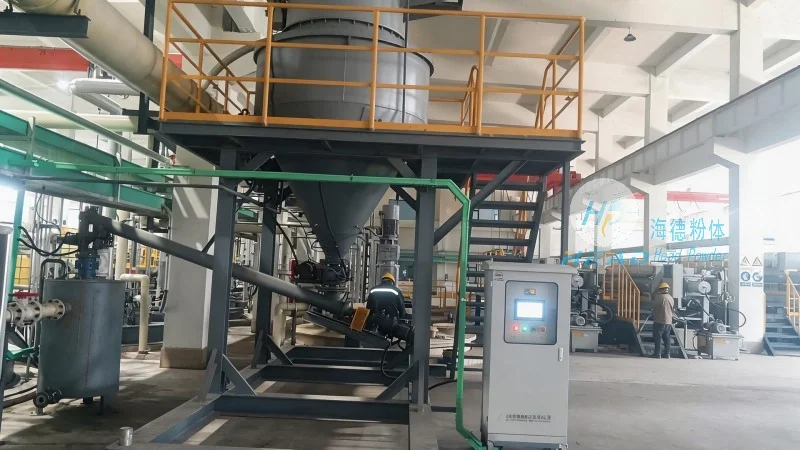
1. Feed Hopper and Material Preparation System
The feed hopper is the initial component where calcium oxide powder is stored and prepared for transport. This structure is designed to hold the bulk material and regulate its flow into the conveying system. The hopper typically features a conical or rectangular design to facilitate uniform material discharge. In systems handling calcium oxide powder, the hopper may include features such as a rotary valve or a gate valve to control the flow rate. Additionally, some designs incorporate a pre-drying or pre-screening stage to ensure the powder meets the required quality standards before entering the conveying line. The material preparation system ensures that the calcium oxide powder is free from clumps or moisture, which could affect the efficiency of the pneumatic conveying process.
2. Air Supply and Blower Unit
A critical component of any pneumatic conveying system is the air supply mechanism, which provides the necessary pressure and volume of air to move the calcium oxide powder. The blower unit, often a positive displacement blower or a centrifugal fan, generates the airflow required to entrain the powder particles. For calcium oxide powder, which can be abrasive, the blower is typically constructed from materials resistant to corrosion and wear, such as stainless steel or special alloys. The air supply system must be capable of maintaining consistent pressure and flow rates to ensure stable and continuous transport of the powder. Proper sizing of the blower is essential to avoid excessive energy consumption or insufficient airflow, both of which can impact the overall efficiency of the system.
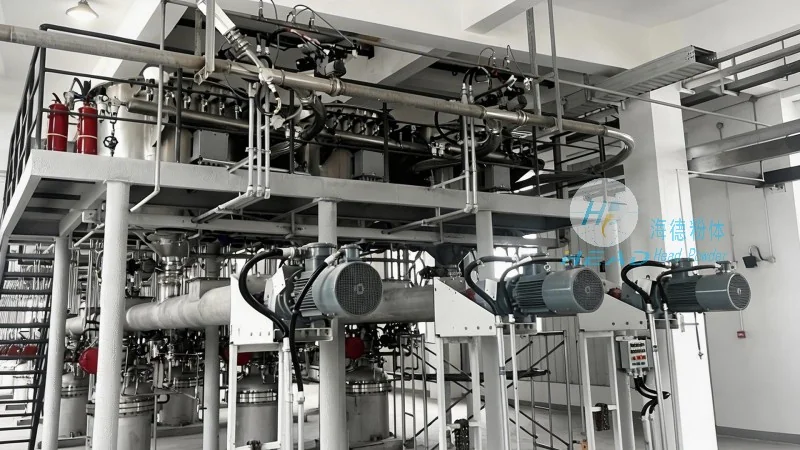
3. Conveying Pipeline and Ductwork
The conveying pipeline, or ductwork, is the main channel through which calcium oxide powder is transported. This structure is usually made of materials like stainless steel, plastic, or metal-coated hoses, depending on the specific requirements of the application. The pipeline is designed to handle the abrasive nature of calcium oxide powder, preventing wear and corrosion over time. The diameter and length of the pipeline are carefully selected to maintain the appropriate air-to-material ratio, which is crucial for efficient transport. In horizontal or vertical configurations, the pipeline may include bends, elbows, or vertical risers to accommodate changes in direction or elevation. The ductwork is often equipped with flow meters or pressure sensors to monitor the performance of the system and detect any blockages or inefficiencies.
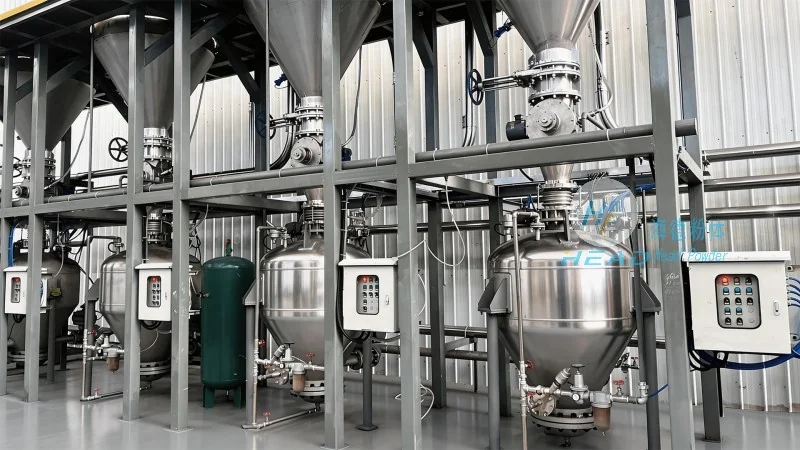
4. Separation and Collection System
At the end of the conveying line, the separation and collection system is responsible for separating the calcium oxide powder from the air stream and collecting it in a designated container. This structure typically includes a cyclone separator or a baghouse filter. The cyclone separator uses centrifugal force to separate the powder from the air, while the baghouse filter captures fine particles using fabric bags. For calcium oxide powder, which may have fine particles that can cause respiratory issues, the separation system must be highly efficient to minimize dust emissions. The collected powder is then transferred to a storage bin or a processing unit, completing the transport cycle. The design of the separation system is critical to ensure that the calcium oxide powder is recovered with minimal loss and that the air is cleaned before being released back into the environment.
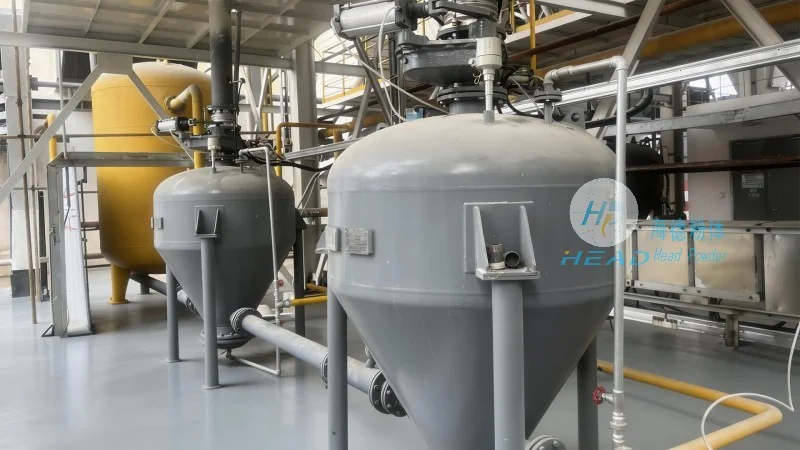
5. Control and Monitoring System
To ensure the reliable operation of the pneumatic conveying system for calcium oxide powder, a control and monitoring system is essential. This structure includes sensors, control valves, and a central control panel that monitors various parameters such as pressure, flow rate, and temperature. The system allows operators to adjust the settings of the blower, hopper, and other components in real-time, optimizing the performance of the conveying process. For example, if the pressure in the pipeline drops, the control system can automatically increase the airflow or adjust the feed rate to maintain consistent transport. The monitoring system also provides alerts for any abnormalities, such as blockages or excessive wear, allowing for timely maintenance and preventing system downtime. This component enhances the overall efficiency and safety of the calcium oxide powder conveying system.
6. Safety and Maintenance Structures
Finally, safety and maintenance structures are integral to the pneumatic conveying system for calcium oxide powder. These include features such as dust collection systems, explosion-proof designs, and regular maintenance access points. The system is designed to comply with safety regulations, particularly for handling powders that may be hazardous. Regular maintenance is crucial to ensure the longevity and performance of the components, such as the blower, pipeline, and separation equipment. Shandong HeadPowder Engineering Co., Ltd. emphasizes the importance of proper maintenance to prevent equipment failure and ensure the consistent quality of the calcium oxide powder transport. By incorporating these safety and maintenance structures, the system operates reliably and efficiently, meeting the demands of industrial applications.