

Main Airflow Transport Structures for Magnesium Hydroxide
When it comes to the efficient and safe transport of magnesium hydroxide, the choice of airflow transport structures is paramount. These systems are designed to handle the unique characteristics of magnesium hydroxide, such as its fine particle size, low bulk density, and potential for dust generation. Understanding the key structures and their applications is crucial for industrial operations aiming to optimize material handling processes. This article explores the primary airflow transport structures used in the industry, providing detailed insights into their functionality, design considerations, and practical applications.
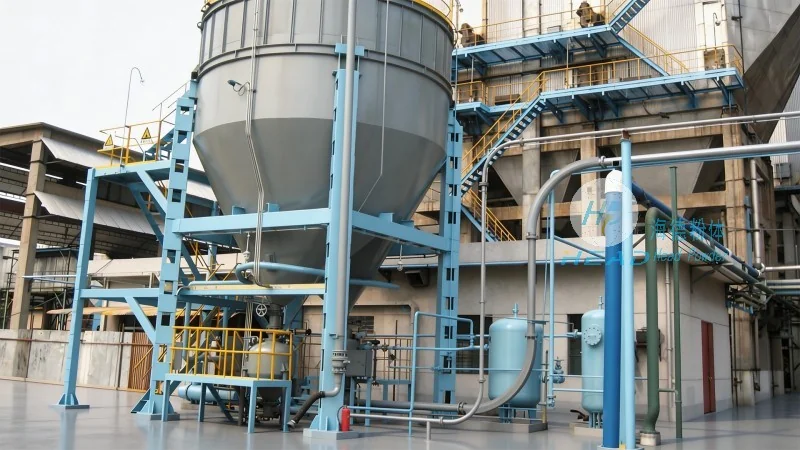
Core Components of Airflow Transport Structures for Magnesium Hydroxide
The foundation of any effective magnesium hydroxide transport system lies in its core components. These include pneumatic conveying systems, which utilize air pressure to move material through pipelines, and supporting structures like hoppers, feeders, and control systems. Each component plays a vital role in ensuring the smooth and efficient operation of the entire transport process. The selection of these components is based on factors such as the material's properties, the distance to be covered, and the desired throughput.
Pneumatic Conveying Systems: Dilute-Phase and Dense-Phase Options
Pneumatic conveying systems are the most common method for transporting magnesium hydroxide. These systems operate by creating a flow of air that carries the material particles through a network of pipes. There are two primary types: dilute-phase and dense-phase. Dilute-phase systems are suitable for materials with low to medium bulk density, where the particles are suspended in the air stream. Dense-phase systems, on the other hand, transport the material in a more compact form, with particles moving in a slurry-like state. The choice between these systems depends on the specific requirements of the application, including the need for precise control over particle velocity and the risk of material degradation.
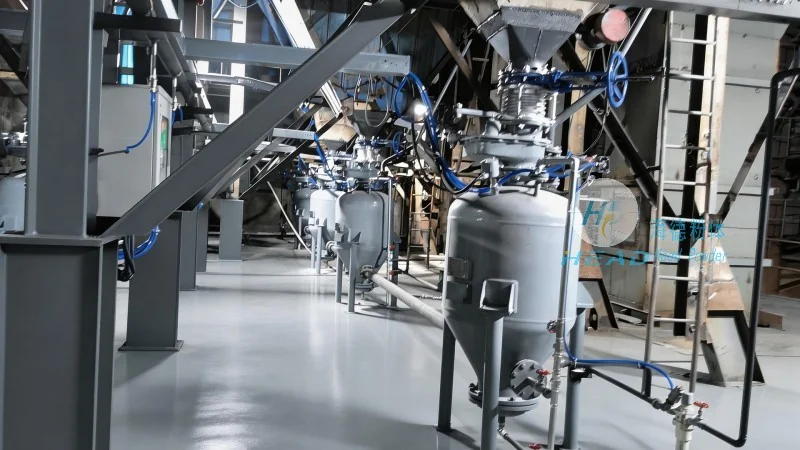
Vertical and Horizontal Conveying Pipelines
Conveying pipelines are essential for the movement of magnesium hydroxide through the transport system. They can be configured as vertical or horizontal, depending on the layout of the industrial facility. Vertical pipelines are used to elevate the material from lower to higher levels, while horizontal pipelines transport the material horizontally across the plant. The design of these pipelines must consider several factors, including the particle size, air velocity, and pressure drop. Properly sized pipelines ensure that the material flows smoothly without causing excessive wear or blockages. Additionally, the materials used for the pipelines, such as stainless steel or special coatings, must be resistant to corrosion and abrasion from the magnesium hydroxide particles.
Material Handling Hoppers and Feeders
At the beginning and end of the transport process, hoppers and feeders are critical for controlling the flow of magnesium hydroxide. Hoppers are used to store and feed the material into the conveying system, while feeders regulate the rate at which material is introduced. Properly designed hoppers prevent material buildup and ensure a consistent flow, which is essential for maintaining the efficiency of the entire system. Feeders, such as rotary valves or screw feeders, are chosen based on the material's characteristics and the required flow rate. These components must be capable of handling the fine particles of magnesium hydroxide without causing clogging or degradation.
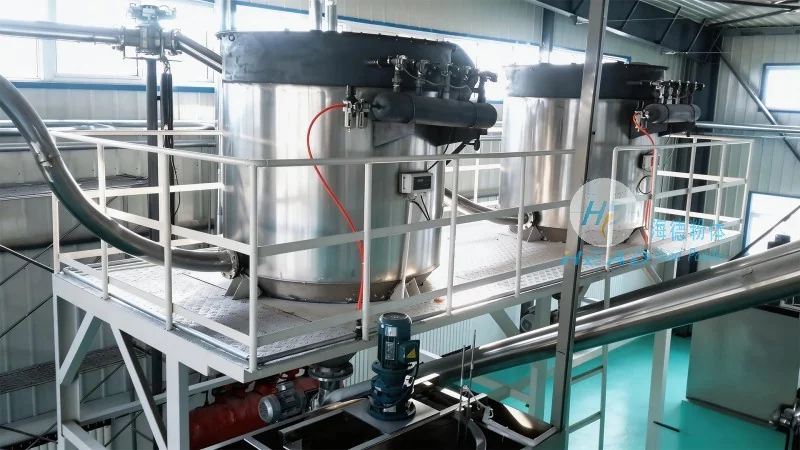
Control Systems and Monitoring Equipment
Modern airflow transport structures are equipped with advanced control systems and monitoring equipment to optimize performance and ensure safety. These systems include pressure sensors, flow meters, and control valves that regulate air pressure and flow rates. The control systems allow for real-time adjustments to maintain the desired flow conditions, preventing issues such as overpressure or underflow. Additionally, dust collection systems are integrated to capture and filter any airborne particles, ensuring compliance with environmental regulations and maintaining a safe working environment. Monitoring equipment provides data on system performance, enabling operators to identify and address any issues promptly.
Application-Specific Design Considerations
The selection of airflow transport structures for magnesium hydroxide depends on various factors, including the scale of the operation, the distance to be covered, and the specific properties of the material. For example, in large-scale industrial plants, complex networks of vertical and horizontal pipelines may be required, with multiple hoppers and feeders to handle high throughput. In smaller operations, simpler, more compact systems may be sufficient. The design must also consider the potential for material degradation, as high air velocities can cause particle attrition. Therefore, the optimal design balances efficiency with the need to preserve the quality of the magnesium hydroxide.