

[MAT]Main Structures of Titanium Dioxide Pneumatic Conveying Systems
For the efficient and reliable transportation of titanium dioxide (TiO₂) powder, various pneumatic conveying structures are employed in industrial applications. These systems are designed to handle the unique properties of TiO₂, such as its fine particle size and potential for dust generation, while ensuring safe and effective material transfer. The main structures of titanium dioxide pneumatic conveying systems typically include several key components that work in concert to achieve optimal performance.
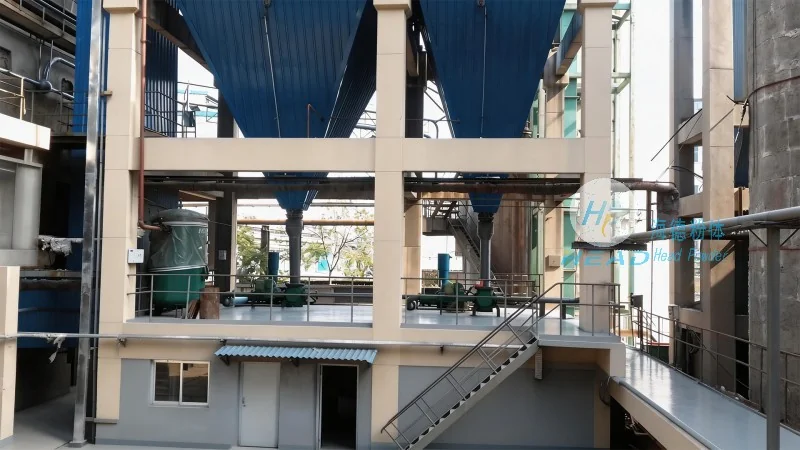
Key Components of Titanium Dioxide Pneumatic Conveying Structures
The primary structure of a titanium dioxide pneumatic conveying system consists of a series of interconnected parts that facilitate the movement of powder from the source to the destination. These components are engineered to handle the specific challenges associated with TiO₂, including its high specific surface area and potential for agglomeration. The main components include a material feed hopper, a rotary valve or feeder, a conveying line (often with multiple sections), a receiver or discharge hopper, and a dust collection system. Each component plays a critical role in the overall operation of the system, ensuring that the TiO₂ powder is transported without degradation or loss.
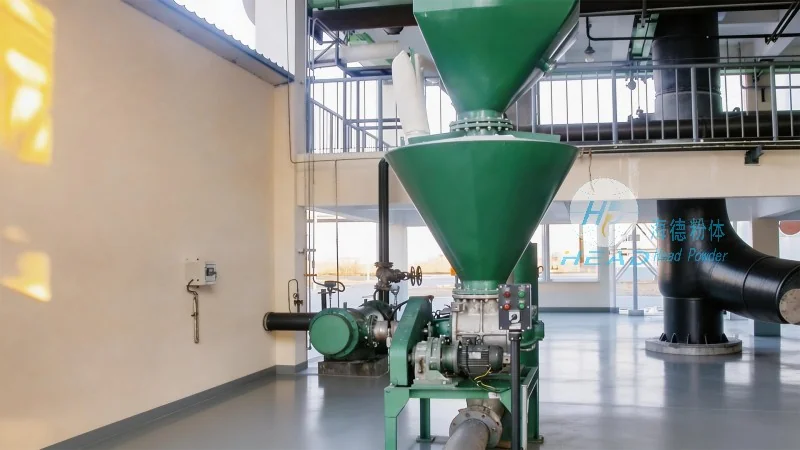
Types of Pneumatic Conveying Structures for Titanium Dioxide
There are several types of pneumatic conveying structures commonly used for titanium dioxide, each suited to different operational requirements and material flow characteristics. The most common types include positive pressure systems, negative pressure systems, and hybrid systems. Positive pressure systems use a blower or compressor to generate air pressure that pushes the powder through the conveying line, while negative pressure systems use a vacuum to draw the powder from the source. Hybrid systems combine elements of both, offering flexibility in handling varying flow rates and distances. The choice of system depends on factors such as the distance between the source and destination, the required flow rate, and the need for dust control.
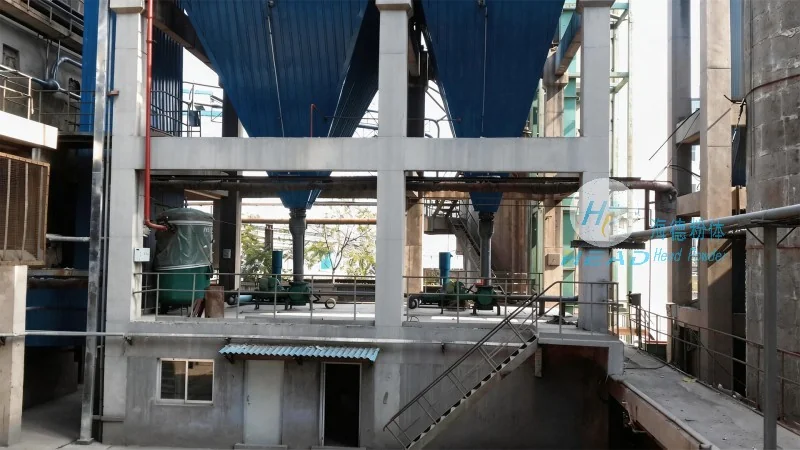
Design Considerations for Titanium Dioxide Pneumatic Conveying Structures
When designing a titanium dioxide pneumatic conveying structure, several factors must be carefully considered to ensure optimal performance and longevity. These factors include the particle size distribution of the TiO₂, the moisture content of the powder, the required conveying capacity, and the operating environment. The material of construction is also critical, as TiO₂ can be abrasive and corrosive to certain metals. Stainless steel and special alloys are often used for components that come into direct contact with the powder to prevent wear and contamination. Additionally, the system must be equipped with appropriate safety features, such as explosion-proof designs and dust suppression mechanisms, to mitigate the risks associated with handling fine powders.
Operational Efficiency and Maintenance of Titanium Dioxide Pneumatic Conveying Structures
Efficient operation of a titanium dioxide pneumatic conveying structure is essential for maintaining productivity and minimizing downtime. Regular maintenance is crucial to ensure that all components are functioning correctly and to prevent issues such as blockages or air leaks. The feed hopper and rotary valve should be inspected regularly to prevent material buildup or wear. The conveying line should be checked for any signs of wear or damage, and the dust collection system should be maintained to ensure effective filtration. Proper operation also involves monitoring the system's performance parameters, such as pressure, flow rate, and temperature, to detect any deviations that may indicate a problem. By implementing a comprehensive maintenance schedule and monitoring system, operators can ensure that the titanium dioxide pneumatic conveying structure operates at peak efficiency.
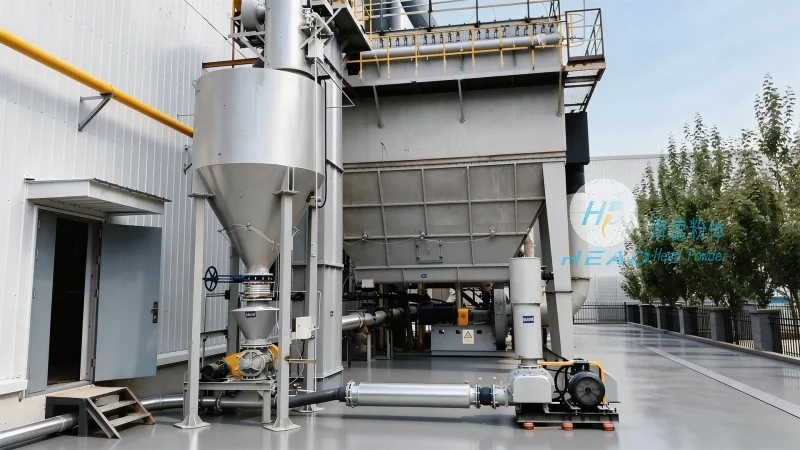
About Shandong HeadPowder Engineering Co., Ltd.
Shandong HeadPowder Engineering Co., Ltd., commonly known as HeadPowder, is a leading manufacturer and supplier of industrial pneumatic conveying systems, including those specifically designed for titanium dioxide applications. With a focus on innovation and quality, HeadPowder provides customized solutions tailored to the unique needs of its clients. The company's headquarters is located in Shandong, China, where it has established a strong presence in the industry. HeadPowder's expertise in material handling and pneumatic conveying technology enables it to deliver reliable and efficient systems that meet the highest standards of performance and safety. By leveraging advanced engineering and manufacturing capabilities, HeadPowder continues to be a trusted partner for businesses in the titanium dioxide and related industries.