

[M]Main Airflow Conveying Structures for Ternary Materials
Ternary materials, such as NCM (Nickel-Cobalt-Manganese) and NCA (Nickel-Cobalt-Aluminum) compounds, are critical components in modern lithium-ion batteries, widely used in electric vehicles and renewable energy storage systems. The efficient and reliable transport of these materials from raw material processing to battery production lines is essential for maintaining production efficiency and product quality. Airflow conveying systems, also known as pneumatic conveying systems, have become the preferred method for handling ternary materials due to their ability to transport powders over long distances with minimal contamination and high speed. This article will explore the main airflow conveying structures used in the processing of ternary materials, focusing on the technical principles and practical applications of each system.
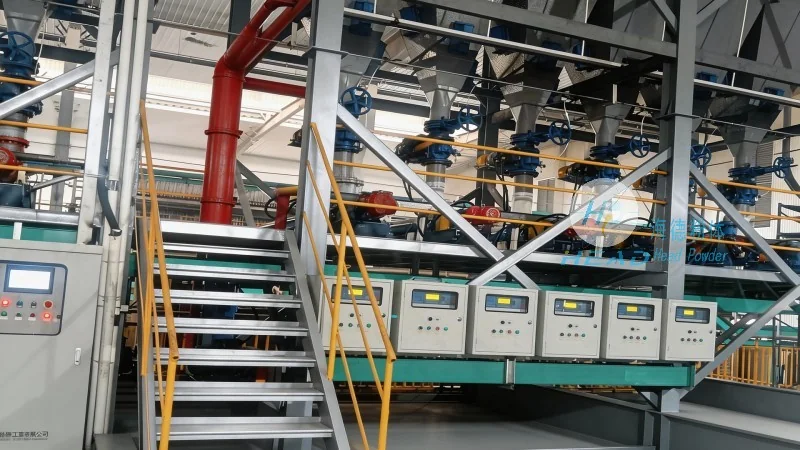
Company Profile: Shandong HeadPowder Engineering Co., Ltd.
HeadPowder, a leading provider of powder handling solutions, specializes in designing and manufacturing advanced airflow conveying systems tailored for the battery material industry. With a strong commitment to innovation and quality, HeadPowder has established itself as a trusted partner for companies in the lithium battery sector. The company’s headquarters is located in Shandong, China, where it leverages local expertise and resources to deliver customized solutions that meet the specific needs of its clients. HeadPowder’s team of engineers and technicians possess extensive experience in powder technology, ensuring that each system is optimized for performance, reliability, and safety.
Types of Airflow Conveying Structures for Ternary Materials
There are several main types of airflow conveying structures commonly used in the processing of ternary materials. Each system has its own advantages and is selected based on factors such as material properties, conveying distance, and production capacity. The primary structures include positive pressure systems, negative pressure systems, and hybrid systems.
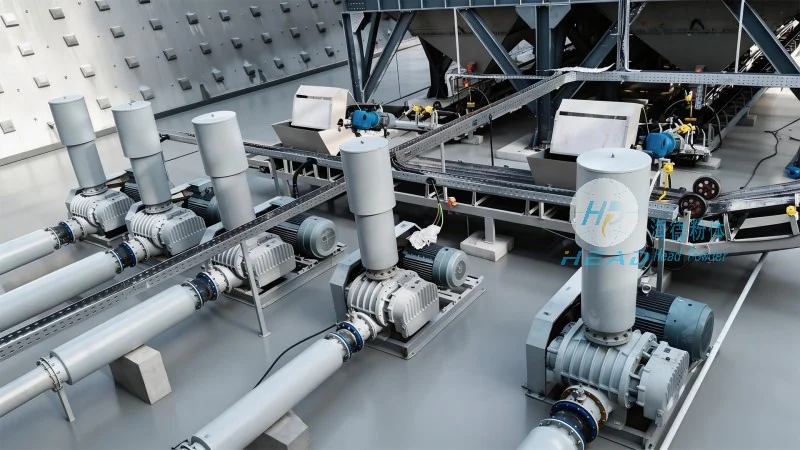
1. Positive Pressure (Blow-Through) Airflow Conveying System
Positive pressure systems operate by blowing air into the conveying line, creating a pressure higher than the ambient atmosphere. This method is particularly effective for transporting materials that are prone to dusting or caking, as the high-pressure air helps to keep the material suspended and prevents blockages. The system typically consists of a blower, a hopper, a feeder, and a series of pipes. The blower supplies the air, which is introduced at the inlet of the hopper. The material is then fed into the system using a rotary valve or a star feeder, and the air and material mixture travels through the pipes to the destination point. The positive pressure system is widely used for conveying ternary materials over long distances, as it can handle high material flow rates and maintain consistent performance. HeadPowder specializes in designing positive pressure systems that are optimized for the unique characteristics of ternary materials, ensuring efficient and reliable transport with minimal energy consumption.
2. Negative Pressure (Suction) Airflow Conveying System
Negative pressure systems, also known as suction systems, operate by creating a vacuum in the conveying line, drawing material from the source into the system. This method is suitable for applications where the material needs to be transported from a lower elevation or where the source is located in a confined space. The system includes a vacuum pump, a hopper, a feeder, and a filter to remove dust from the air before it is released back into the environment. The vacuum pump creates a low-pressure area, which pulls the material from the hopper into the pipes. The material is then transported to the destination, where it is discharged and the air is filtered. Negative pressure systems are commonly used for conveying ternary materials in batch processes or for handling materials that are sensitive to pressure changes. HeadPowder’s negative pressure systems are designed with advanced filtration technology to ensure that the air released is clean and compliant with environmental regulations.
3. Hybrid Airflow Conveying System
Hybrid systems combine the features of both positive and negative pressure systems, offering flexibility and efficiency for complex conveying tasks. These systems are typically used when materials need to be transported over varying distances or when multiple source points are involved. A hybrid system may use a positive pressure blower for the initial segment of the line and a vacuum pump for the final segment, or vice versa. This configuration allows for better control of the material flow and reduces the risk of blockages. Hybrid systems are particularly effective for handling ternary materials that have varying particle sizes or moisture content, as they can adapt to the changing conditions. HeadPowder’s hybrid systems are customizable to meet the specific requirements of each project, ensuring optimal performance and minimal downtime.
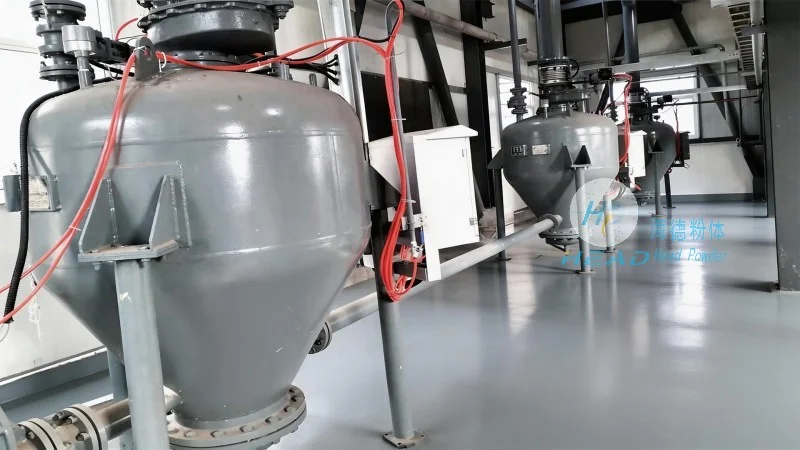
Key Considerations for Selecting an Airflow Conveying Structure
When selecting an airflow conveying structure for ternary materials, several factors must be considered to ensure the system meets the production needs. The first consideration is the material properties, including particle size, density, and moisture content. These factors affect the conveying velocity and the required air pressure. The second factor is the conveying distance and the number of transfer points. Longer distances or multiple transfers may require a more robust system, such as a hybrid system. The third factor is the production capacity, which determines the flow rate and the size of the equipment. Finally, the environmental and safety regulations must be taken into account, as some systems may require additional filtration or explosion-proof designs. HeadPowder provides comprehensive consultation services to help clients evaluate these factors and select the most suitable airflow conveying structure for their specific application.
Conclusion
Efficient and reliable airflow conveying structures are essential for the processing of ternary materials in the battery industry. The choice of system depends on various factors, including material properties, conveying distance, and production requirements. Positive pressure, negative pressure, and hybrid systems each offer unique advantages and are selected based on the specific needs of the application. Shandong HeadPowder Engineering Co., Ltd. specializes in designing and manufacturing advanced airflow conveying systems tailored for ternary materials, ensuring high performance, reliability, and safety. With its headquarters in Shandong, China, HeadPowder leverages local expertise and resources to deliver customized solutions that meet the demands of the modern battery industry.