

Main Structures for Pneumatic Conveying of Alumina Particles
When it comes to the efficient and reliable transportation of alumina particles through pneumatic conveying systems, understanding the core structural components is essential. These systems are designed to handle the unique properties of alumina, such as its density, particle size distribution, and flow characteristics. The main structures involved in alumina particle pneumatic conveying typically include several key components that work in tandem to ensure smooth operation and optimal performance.
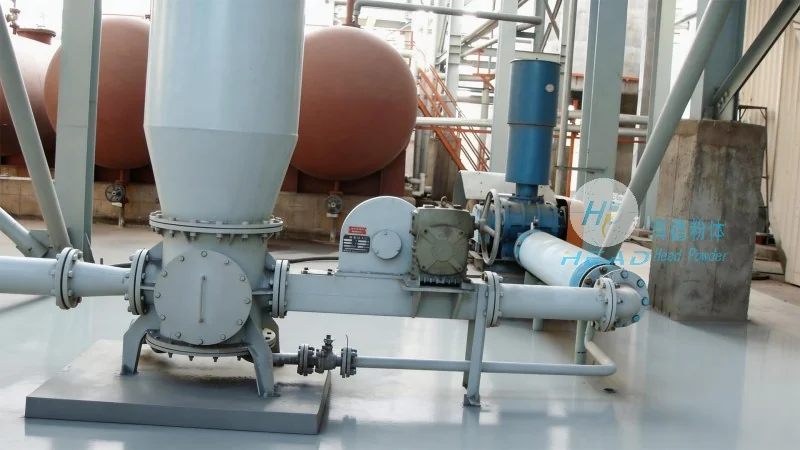
Pneumatic Conveying System Overview
At the heart of any alumina particle pneumatic conveying system lies a network of interconnected components that facilitate the movement of material from the source to the destination. These systems are categorized into different types based on the conveying principle, such as pressure or vacuum systems, and are tailored to meet the specific requirements of alumina handling. The primary goal is to maintain a consistent flow rate, minimize material degradation, and ensure energy efficiency throughout the process.
Key Structural Components
The main structures for pneumatic conveying of alumina particles can be broadly categorized into several critical elements. Each component plays a vital role in the overall system's functionality and reliability. The first major component is the feeding device, which is responsible for introducing the alumina particles into the conveying line. This device must be capable of handling the material's characteristics, such as its bulk density and flowability, to ensure a uniform and controlled feed. Common feeding methods include rotary valves, star feeders, and screw feeders, all of which are designed to minimize blockages and maintain a steady flow.
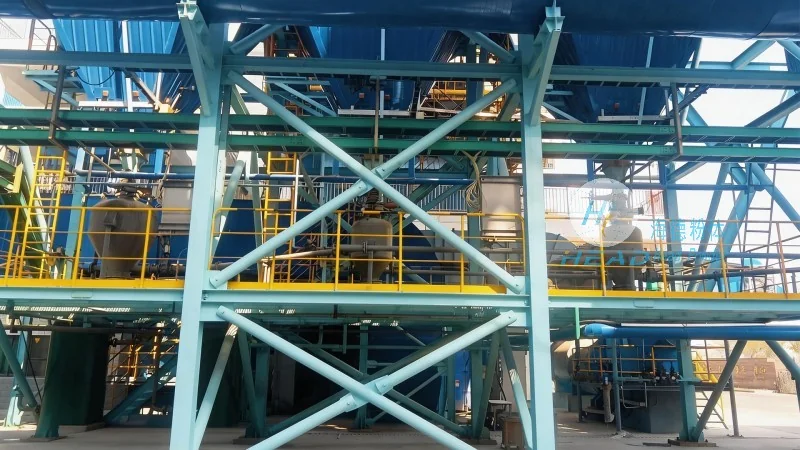
Next, the conveying line itself is a critical structural element. This typically consists of a series of pipes or ducts that transport the alumina particles along with the conveying medium, usually air or a gas. The design of the conveying line is crucial, as it must accommodate the particle size and flow rate while minimizing pressure drop and ensuring efficient material transport. The choice of pipe material, such as stainless steel or plastic, depends on factors like corrosion resistance and cost, and is tailored to the specific alumina properties.
A third essential component is the separation and collection system. This structure is responsible for separating the alumina particles from the conveying medium and collecting them at the destination. The system typically includes a cyclone separator, which uses centrifugal force to separate particles from the gas stream, followed by a filter or baghouse to capture any fine particles. The design of this system is critical to prevent material loss and ensure compliance with environmental regulations.
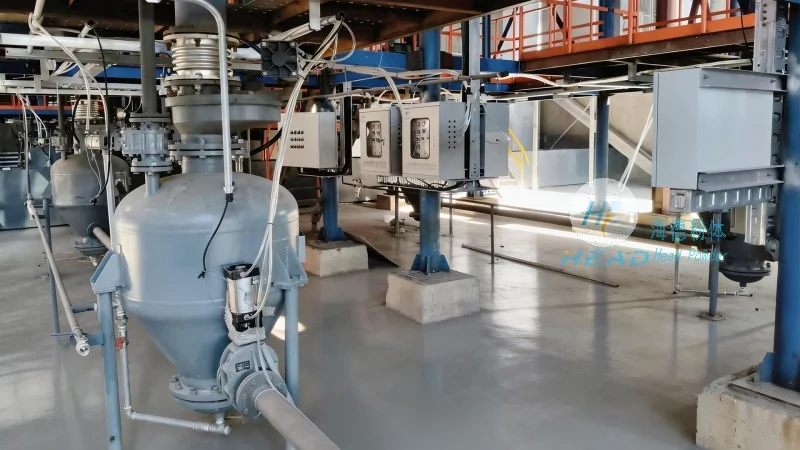
Control and Monitoring Structures
In addition to the primary conveying components, modern alumina particle pneumatic conveying systems incorporate advanced control and monitoring structures to enhance operational efficiency. These include pressure sensors, flow meters, and control valves that allow for real-time monitoring and adjustment of the system parameters. The control system ensures that the conveying process remains stable and optimized, even under varying load conditions. This level of automation helps to reduce downtime, improve product quality, and minimize energy consumption.
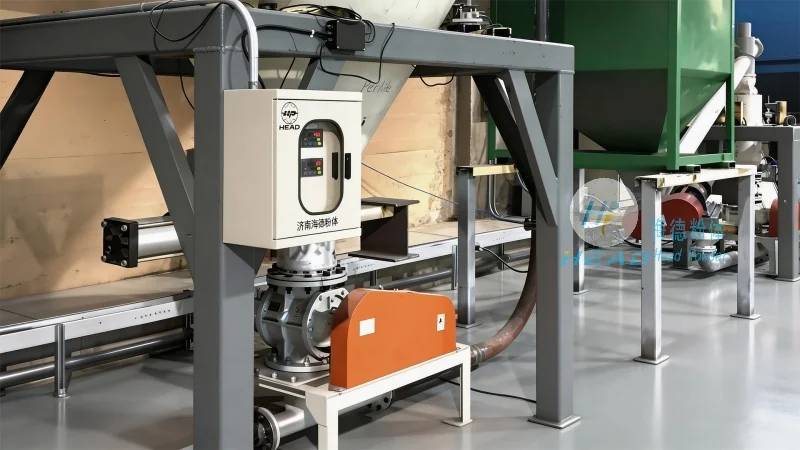
Maintenance and Safety Structures
Proper maintenance and safety structures are also integral to the overall pneumatic conveying system. Regular maintenance of components such as the feeding device, conveying line, and separation system is essential to prevent breakdowns and ensure long-term reliability. Safety structures, including pressure relief valves and explosion-proof designs, are implemented to protect personnel and equipment from potential hazards. These measures are particularly important when handling alumina particles, as they can be abrasive and pose health risks if not handled properly.
Company Profile: Shandong HeadPowder Engineering Co., Ltd.
Shandong HeadPowder Engineering Co., Ltd., operating under the brand name HeadPowder, specializes in the design, manufacturing, and installation of pneumatic conveying systems for various industrial applications, including alumina processing. With a focus on innovation and customer-centric solutions, HeadPowder provides tailored systems that meet the specific needs of clients in the alumina industry. The company's headquarters is located in Shandong, China, and its expertise lies in delivering reliable and efficient solutions for material handling challenges.