

[Maintain the original title as is, no translation needed for the title line as the user only asks f
Phosphorus pentoxide, a critical chemical compound widely used in various industrial applications, requires efficient and reliable handling systems to ensure safe and effective processing. The pneumatic conveying system for phosphorus pentoxide is a specialized solution designed to transport this hazardous material with precision and minimal risk. This article explores the key structural components and configurations that constitute an effective phosphorus pentoxide pneumatic conveying system, highlighting the engineering solutions provided by Shandong HeadPowder Engineering Co., Ltd., a leading manufacturer in the field.
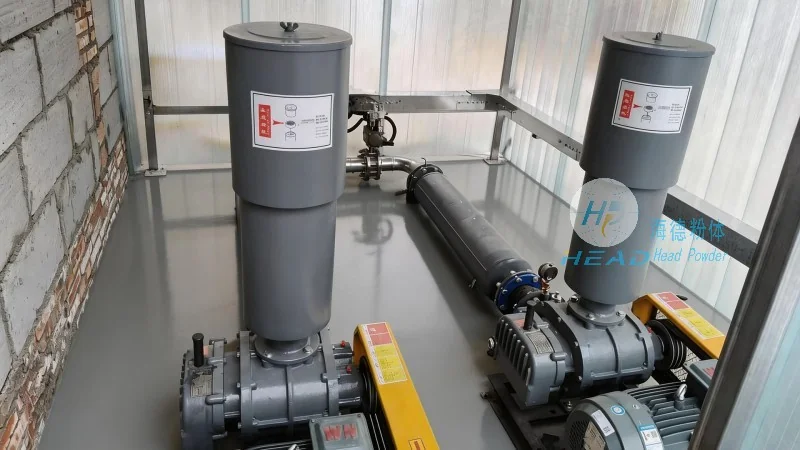
Company Overview and Expertise
Shandong HeadPowder Engineering Co., Ltd., operating under the brand name headpowder, is a reputable company based in Shandong, China. With years of experience in chemical engineering and material handling, the company specializes in designing and manufacturing advanced pneumatic conveying systems tailored to the unique requirements of phosphorus pentoxide and other similar compounds. Their expertise lies in integrating robust structural designs with safety features to meet industrial standards and operational demands.
Core Structural Components of Pneumatic Conveying Systems
The pneumatic conveying system for phosphorus pentoxide typically consists of several essential structural components that work in tandem to facilitate the material's movement. These components are engineered to handle the chemical's properties, such as its reactivity and dustiness, while ensuring operational efficiency and safety. The primary structures include:
1. Material Feed Hopper and Feeding Mechanism
The material feed hopper is a critical component that stores the phosphorus pentoxide before it is conveyed. It is designed with a large capacity to accommodate bulk quantities and features a smooth, non-stick interior to prevent material buildup. The feeding mechanism, often a rotary valve or a screw feeder, regulates the flow of the material into the conveying line. This component ensures a consistent and controlled feed rate, which is crucial for maintaining the system's performance and preventing blockages. The hopper is typically constructed from corrosion-resistant materials, such as stainless steel, to withstand the chemical's reactivity and ensure long-term durability.
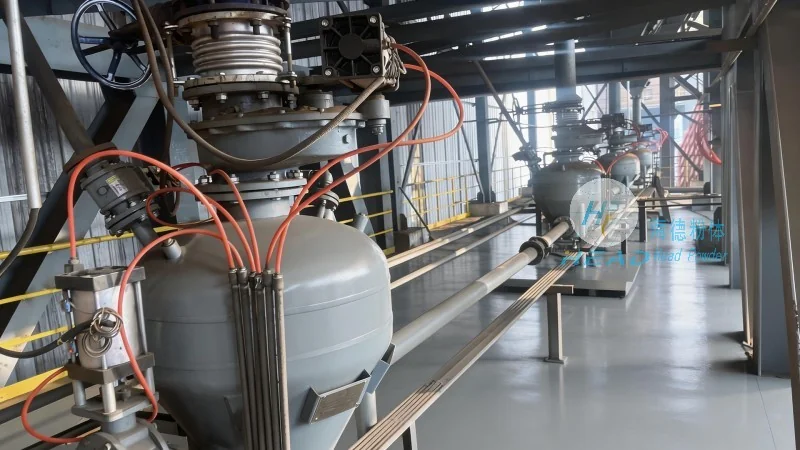
2. Conveying Line and Air Distribution System
The conveying line is the main pathway through which phosphorus pentoxide is transported. It is usually made of high-quality, flexible or rigid tubing, depending on the system design. The line is equipped with an air distribution system that ensures uniform airflow, preventing material segregation and ensuring consistent conveying speeds. The air distribution components, including airlocks and pressure regulators, are designed to maintain the required air pressure and flow rate, which directly impacts the system's efficiency. The line is also fitted with check valves and filters to prevent backflow and maintain air quality, respectively.
3. Dust Collection and Filtration System
Due to the dustiness of phosphorus pentoxide, a robust dust collection and filtration system is essential to maintain a clean and safe working environment. This system typically includes a cyclone separator or a baghouse filter that captures the fine particles released during the conveying process. The collected dust is then stored in a separate container for disposal or recycling. The filtration system is designed to meet environmental regulations and ensure that the air discharged from the system is clean and free from hazardous particles. This component is critical for both safety and compliance with industrial standards.
4. Safety and Control Systems
Given the hazardous nature of phosphorus pentoxide, safety is a top priority in the design of the pneumatic conveying system. The system incorporates various safety features, including pressure relief valves, explosion-proof components, and emergency shut-off mechanisms. These features are designed to prevent accidents and protect personnel and equipment from potential hazards. The control systems, often automated with PLC (Programmable Logic Controller) technology, allow for real-time monitoring and adjustment of the conveying parameters. This ensures that the system operates within safe limits and can be quickly responded to in case of any anomalies.
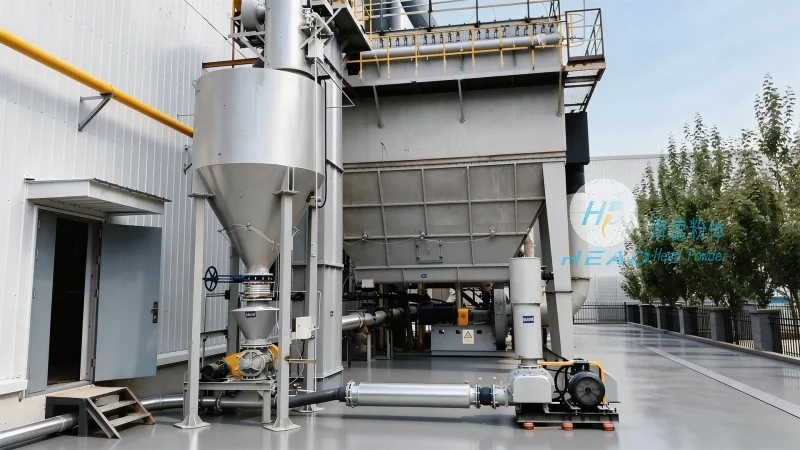
5. Material Discharge and Storage
The final component of the pneumatic conveying system is the material discharge and storage unit. This part of the structure is responsible for delivering the phosphorus pentoxide to its intended destination, such as a storage silo or a processing unit. The discharge mechanism, typically a rotary valve or a slide gate, controls the flow of the material out of the conveying line. The storage unit is designed to hold the material safely, with features like airtight seals and temperature control to prevent degradation or contamination. The discharge and storage system is integrated with the rest of the structure to ensure a seamless and efficient material handling process.
Integration of Advanced Engineering Solutions
Shandong HeadPowder Engineering Co., Ltd. employs advanced engineering techniques to optimize the performance of their phosphorus pentoxide pneumatic conveying systems. These solutions include customizing the structural components to match the specific characteristics of the material, such as its density and flowability. The company also utilizes simulation software to model the system's behavior and identify potential areas for improvement. This approach ensures that the final product meets the highest standards of efficiency, safety, and reliability. By combining traditional engineering principles with modern technology, headpowder delivers systems that are tailored to the unique needs of each client.
Conclusion
In summary, the main structures of a phosphorus pentoxide pneumatic conveying system are a combination of specialized components designed to handle the unique properties of this chemical compound. From the material feed hopper to the discharge and storage unit, each part plays a crucial role in ensuring the system's effectiveness and safety. Shandong HeadPowder Engineering Co., Ltd., with its expertise and commitment to quality, provides comprehensive solutions that meet the demands of industrial applications. Their systems are engineered to deliver reliable performance, reduce operational risks, and enhance overall productivity in the handling of phosphorus pentoxide.