

What Comprises Red Bean Pneumatic Conveying Systems
Understanding the components of a red bean pneumatic conveying system is crucial for anyone involved in the processing and handling of this popular legume. At Shandong HeadPowder Engineering Co., Ltd., we specialize in designing and manufacturing efficient systems tailored to the unique needs of red bean processing operations. This article provides a detailed overview of the key components that make up a comprehensive red bean pneumatic conveying system, ensuring optimal performance and reliability.
Core Components of Red Bean Pneumatic Conveying Systems
The foundation of any pneumatic conveying system lies in its core components, which work in unison to transport red beans from one location to another. These components are engineered to handle the specific physical properties of red beans, such as their size, density, and moisture content, ensuring a smooth and efficient transfer process. The primary components include the following:
1. Material Hopper and Feeder
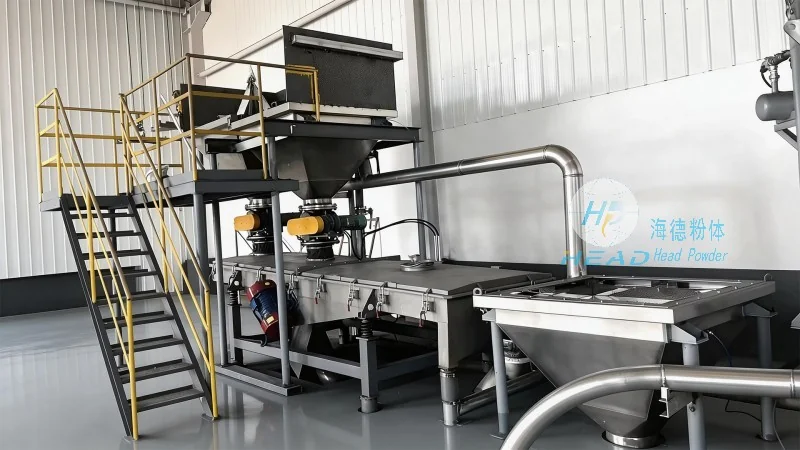
The material hopper serves as the storage and feeding unit for the red beans. It is typically designed with a large capacity to accommodate bulk quantities of beans, allowing for continuous operation without frequent refilling. The feeder, often integrated with the hopper, regulates the flow of red beans into the conveying line. For red beans, a screw feeder or a rotary valve feeder is commonly used to ensure a consistent and controlled feed rate. This component is critical as it prevents material buildup and maintains a steady flow, which is essential for the overall efficiency of the pneumatic conveying system.
2. Air Supply System
The air supply system is the heart of the pneumatic conveying process, responsible for generating the necessary pressure and airflow to move the red beans through the system. This system typically includes a blower or a compressor, which provides the motive force for the conveying operation. The choice of equipment depends on the system's capacity and the required pressure levels. For red bean applications, a positive displacement blower is often preferred due to its ability to deliver high pressure at lower volumes, which is ideal for handling the relatively light and aerodynamic properties of red beans. The air supply system also includes filters and moisture separators to ensure that the air used for conveying is clean and free from contaminants that could affect the quality of the red beans or damage the system components.
3. Conveying Line and Tubing
The conveying line, usually made of stainless steel or other corrosion-resistant materials, forms the pathway through which the red beans are transported. The tubing is designed to withstand the pressure and friction associated with pneumatic conveying, ensuring durability and minimal wear. For red beans, the diameter of the tubing is carefully selected to balance the flow rate and pressure drop. Larger diameters are generally used for longer conveying distances or higher material loads, while smaller diameters are suitable for shorter distances or lower loads. The tubing is also equipped with appropriate fittings and elbows to direct the flow of red beans and air through the system, minimizing the risk of blockages or turbulence.
4. Solids Separation and Collection
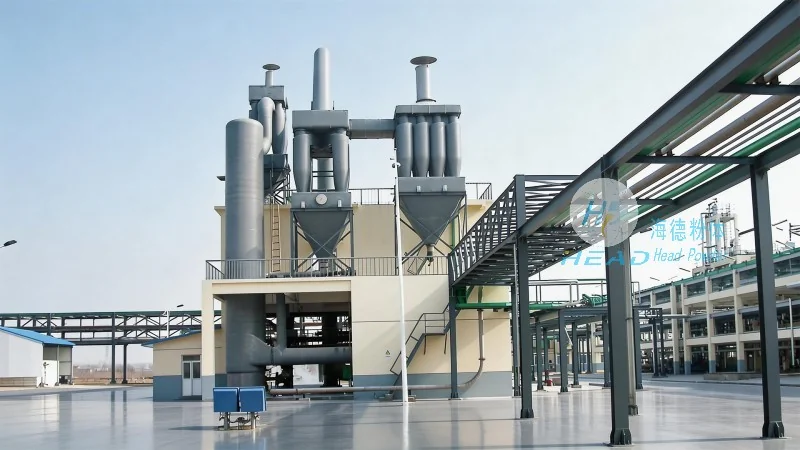
At the end of the conveying line, the red beans are separated from the air stream and collected in a receiving hopper or storage bin. This process is facilitated by a cyclone separator or a baghouse filter, which uses centrifugal force to separate the solids from the air. The cyclone separator is particularly effective for red beans as it can handle large volumes of material and maintain a high separation efficiency. The collected red beans are then transferred to the next processing stage, such as cleaning or packaging. The air, now free of solids, is either vented to the atmosphere or recirculated back into the system, depending on the system design and environmental regulations.
5. Control and Monitoring Systems
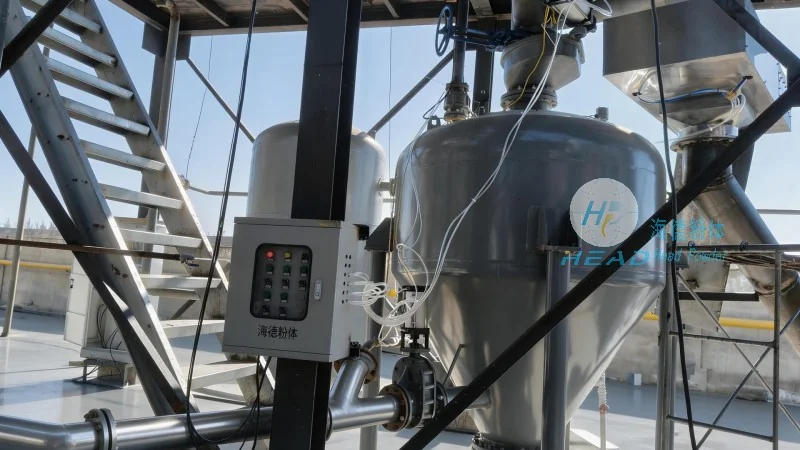
To ensure optimal operation and safety, modern red bean pneumatic conveying systems are equipped with advanced control and monitoring systems. These systems typically include pressure sensors, flow meters, and level indicators that provide real-time data on the system's performance. The control panel allows operators to adjust the feed rate, air pressure, and other parameters to maintain the desired conveying conditions. Additionally, safety features such as pressure relief valves and emergency shut-off switches are integrated into the system to prevent accidents and protect personnel and equipment. These control and monitoring systems enhance the reliability and efficiency of the pneumatic conveying process, reducing downtime and maintenance costs.
Customization and Integration
At Shandong HeadPowder Engineering Co., Ltd., we understand that each red bean processing facility has unique requirements. Therefore, our pneumatic conveying systems are highly customizable to meet specific operational needs. We work closely with clients to design systems that optimize their red bean handling processes, considering factors such as the plant layout, conveying distance, and production capacity. Our team of engineers and technicians can integrate the pneumatic conveying system with other processing equipment, such as cleaning machines, sorting systems, or packaging lines, to create a seamless and efficient production line. This integration ensures that the red beans are handled consistently from the initial storage to the final packaging stage, maintaining their quality and integrity throughout the process.
Conclusion
In summary, a red bean pneumatic conveying system comprises several key components that work together to efficiently transport red beans. These components include the material hopper and feeder, the air supply system, the conveying line and tubing, the solids separation and collection system, and the control and monitoring systems. Each component plays a critical role in ensuring the smooth and reliable operation of the system. By understanding these components and their functions, processors can make informed decisions when selecting or maintaining their pneumatic conveying equipment, ultimately improving their operational efficiency and product quality.