

Components of Starch Pneumatic Conveying
Starch pneumatic conveying systems are sophisticated industrial solutions designed to transport starch powders efficiently and reliably. Understanding the core components of these systems is crucial for optimizing performance, ensuring safety, and maintaining operational efficiency. This article provides a detailed overview of the key elements that constitute a typical starch pneumatic conveying setup, highlighting the expertise of Shandong HeadPowder Engineering Co., Ltd. in designing and implementing such systems.
About HeadPowder: Your Partner in Starch Handling Solutions
Shandong HeadPowder Engineering Co., Ltd., commonly known as HeadPowder, is a leading manufacturer and supplier of advanced material handling equipment, specializing in pneumatic conveying systems for various powders, including starch. With a strong presence in China, particularly in Shandong province, HeadPowder combines decades of industry experience with cutting-edge technology to deliver customized solutions tailored to the unique needs of food processing, pharmaceutical, and chemical industries. The company’s commitment to quality, safety, and innovation has established it as a trusted partner for businesses seeking reliable starch handling solutions.
Key Components of Starch Pneumatic Conveying Systems
A starch pneumatic conveying system typically consists of several interconnected components that work in harmony to achieve the desired material transport. The primary elements include the material feed system, the conveying pipeline, the air supply unit, the separation and filtration equipment, and the control and monitoring mechanisms. Each component plays a vital role in the overall functionality and efficiency of the system.
1. Material Feed System
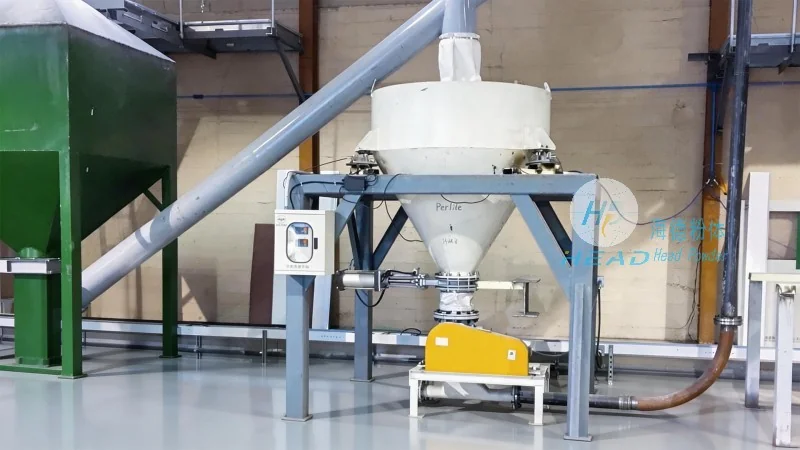
The material feed system is the initial stage where starch powder is introduced into the conveying process. This component is designed to ensure a consistent and controlled flow of the material into the system, preventing blockages and maintaining uniformity. Common feed mechanisms include rotary valves, star feeders, and screw feeders, which are chosen based on the specific characteristics of the starch, such as particle size, moisture content, and flowability. The feed system is critical for preventing material degradation and ensuring that the conveying process operates smoothly without interruptions.
2. Conveying Pipeline
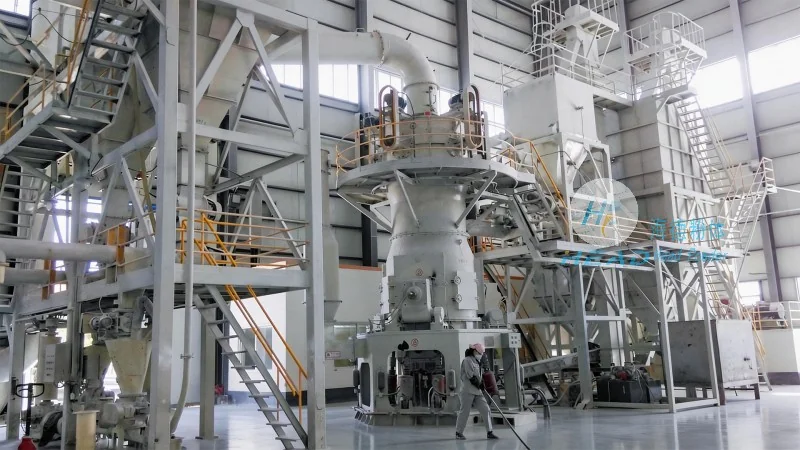
The conveying pipeline is the backbone of the starch pneumatic conveying system, responsible for transporting the starch powder along the desired path. These pipelines are typically made of durable materials like stainless steel or high-quality plastic, selected for their resistance to corrosion and wear from the starch particles. The design of the pipeline, including the use of bends, elbows, and straight sections, is carefully engineered to minimize pressure losses and maintain the velocity of the material-air mixture. Proper pipeline sizing and configuration are essential to ensure efficient transport and prevent excessive energy consumption.
3. Air Supply Unit
The air supply unit is a critical component that generates the necessary airflow to move the starch powder through the pipeline. This unit typically consists of a blower or a compressor, which provides the pressure and volume of air required for the conveying process. The choice of air supply equipment depends on factors such as the system’s capacity, the distance of transport, and the specific properties of the starch. High-efficiency blowers are preferred in many applications as they offer better energy efficiency and lower operational costs compared to traditional compressors. The air supply unit is also equipped with controls to regulate the airflow and pressure, ensuring stable operation and preventing overpressurization.
4. Separation and Filtration Equipment
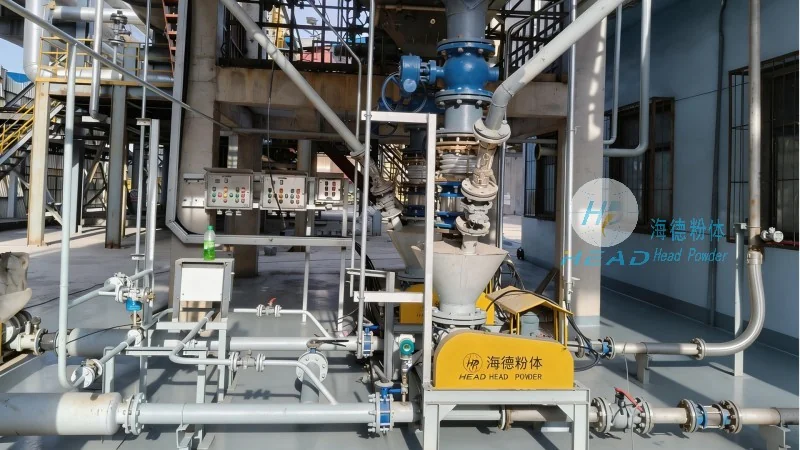
As starch is conveyed through the pipeline, it may encounter particles that need to be separated or filtered out. The separation and filtration equipment in a starch pneumatic conveying system serves to remove any debris, dust, or oversized particles from the material stream. This component typically includes cyclone separators, bag filters, or cartridge filters, which are designed to capture the fine particles and return them to the system or dispose of them as required. Proper filtration is essential for maintaining the quality of the starch and preventing contamination in downstream processes. The efficiency of the separation equipment directly impacts the overall performance and longevity of the conveying system.
5. Control and Monitoring Systems
Modern starch pneumatic conveying systems are equipped with advanced control and monitoring systems to ensure optimal operation and safety. These systems typically include sensors, controllers, and indicators that monitor parameters such as pressure, flow rate, and temperature. The control system adjusts the air supply and feed rate in real-time, responding to changes in the material flow or system conditions. This automation helps to prevent overloading, reduce energy consumption, and enhance the overall reliability of the system. Additionally, monitoring systems provide valuable data for maintenance and troubleshooting, allowing operators to identify and address issues before they lead to system failures.
Conclusion: The Importance of Comprehensive System Design
Starch pneumatic conveying systems are complex and highly integrated solutions that require careful consideration of all components to achieve the best results. From the material feed to the final separation and control, each element must be designed and installed correctly to ensure efficient and safe operation. Shandong HeadPowder Engineering Co., Ltd. specializes in the design, manufacturing, and installation of such systems, leveraging its expertise and experience to deliver customized solutions that meet the specific needs of starch handling applications. By understanding the key components and their functions, businesses can make informed decisions about their material handling infrastructure, leading to improved productivity, reduced costs, and enhanced operational reliability.