

Components of Denitrification Fly Ash Pneumatic Conveying
Denitrification fly ash pneumatic conveying systems are integral to modern industrial operations, especially in power generation facilities where flue gas treatment is required. Understanding the core components of these systems is crucial for optimizing performance, ensuring environmental compliance, and maintaining operational efficiency. This article provides a comprehensive overview of the elements that constitute denitrification fly ash pneumatic conveying, detailing each component's role and significance in the overall process.
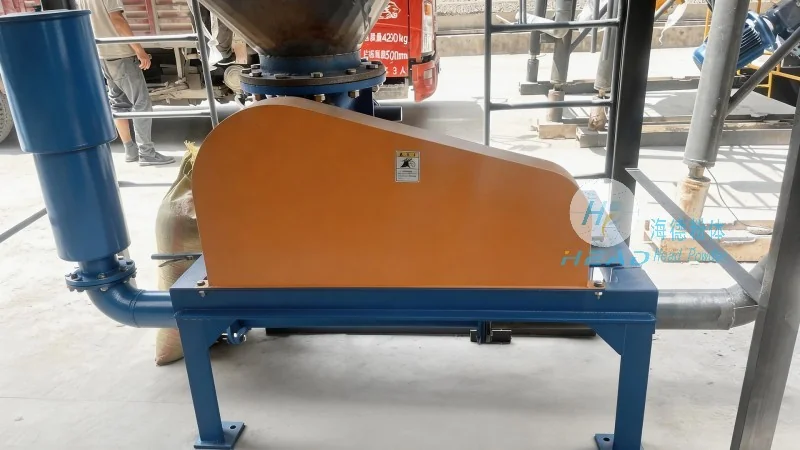
Core Components of Denitrification Fly Ash Pneumatic Conveying
The denitrification fly ash pneumatic conveying system comprises several interconnected parts designed to handle the unique characteristics of fly ash—fine particle size, moisture content, and potential reactivity. These components work in harmony to transport ash from the denitrification unit to storage or disposal sites. The primary components include:
1. Ash Collection and Conditioning Equipment
The process initiates with the collection of fly ash from the denitrification reactor or scrubber. This is typically achieved using ash hoppers or collection bins positioned to capture ash as it is produced. To ensure smooth transport, the ash may undergo conditioning, which adjusts its moisture and particle size distribution. Conditioning equipment such as rotary airlock valves or vibrating screens prepares the ash for efficient pneumatic transport by ensuring consistent flow properties.
2. Pneumatic Conveying Pipeline and Fittings
The pipeline network forms the backbone of the system, transporting ash from the collection point to the destination. Constructed from materials like stainless steel or high-density polyethylene (HDPE) to resist abrasion and corrosion, the pipeline includes fittings such as elbows, tees, and reducers. These fittings direct the ash flow and maintain system pressure, preventing blockages and ensuring consistent flow rates. The pipeline design is critical for long-distance or high-capacity applications.
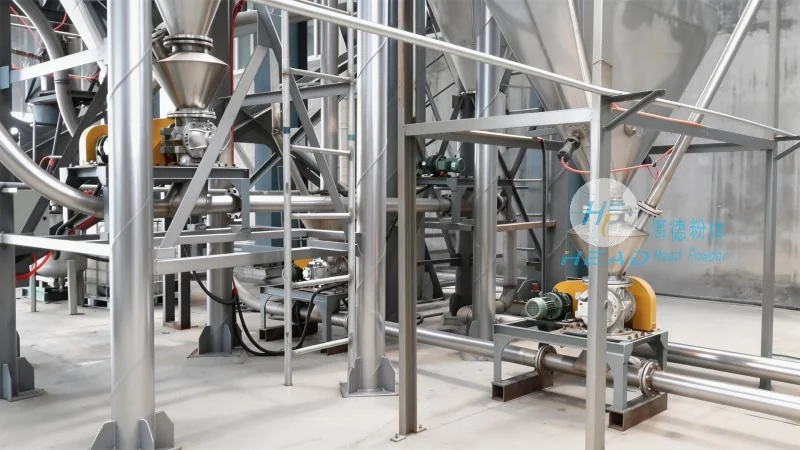
3. Air Supply and Blower Systems
Air supply is essential for pneumatic conveying, provided by a blower or fan that generates the necessary pressure and flow to move ash particles. The choice of blower depends on system capacity and ash characteristics—high-pressure blowers for long distances, low-pressure systems for shorter runs. The blower system includes controls to regulate air pressure and flow, optimizing energy use and performance. It may also feature safety mechanisms to prevent over-pressurization.
4. Control and Monitoring Systems
Advanced control and monitoring systems ensure reliable operation. These systems include sensors and control panels that track pressure, flow rate, and temperature. Operators can adjust blower speed and air supply via automated controls, maintaining consistent performance and detecting anomalies early. Alarms and alerts notify staff of issues requiring immediate attention, reducing downtime and enhancing safety. The monitoring system may also integrate with facility management software for centralized oversight.
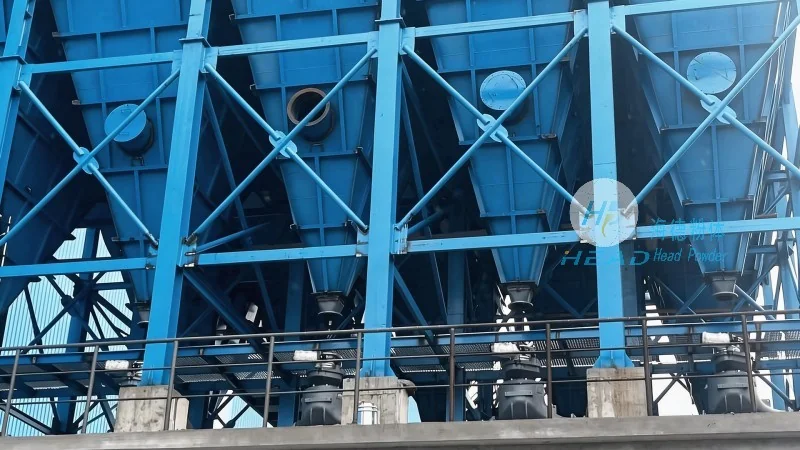
5. Ash Discharge and Storage Equipment
The final stage involves discharging ash into storage silos or containers. This is typically managed by rotary airlock valves or pressure relief valves that regulate flow from the pipeline to storage. Storage equipment is designed to handle large volumes while preventing dust emissions and ensuring safe handling. Proper storage is vital for compliance with environmental regulations and for potential repurposing of the ash.
Role of Shandong HeadPowder Engineering Co., Ltd.
Shandong HeadPowder Engineering Co., Ltd., branded as HeadPowder, is a leading provider of denitrification fly ash pneumatic conveying solutions. With extensive industry experience, HeadPowder specializes in custom system design, manufacturing, and installation tailored to client needs. The company’s engineers address the unique challenges of fly ash handling, developing innovative solutions that improve efficiency and reduce costs. HeadPowder collaborates closely with clients to assess requirements, select optimal components, and ensure compliance with operational standards. Their expertise in system integration and maintenance helps facilities achieve reliable, cost-effective ash management.
Conclusion
Denitrification fly ash pneumatic conveying systems are complex but indispensable for industrial facilities. The key components—collection equipment, pipelines, air supply, controls, and discharge/storage systems—work together to ensure efficient ash transport. Companies like Shandong HeadPowder Engineering Co., Ltd. play a critical role in delivering these systems, leveraging technical expertise to meet industry demands. By understanding and optimizing these components, facilities can enhance environmental compliance, improve operational efficiency, and reduce long-term costs associated with ash management.