

Components of Phosphorus Pentachloride Pneumatic Conveying
Phosphorus pentachloride (PCl₅) is a highly reactive chemical widely used in various industrial applications, including organic synthesis and chemical manufacturing. Pneumatic conveying systems are essential for safely and efficiently transporting PCl₅, given its hazardous nature and the need for precise control during handling. The composition of a PCl₅ pneumatic conveying system is critical to ensure operational safety, efficiency, and compliance with industrial standards. This article outlines the key components that make up such a system, providing a comprehensive overview for professionals in the chemical processing industry.
Core Components of the Pneumatic Conveying System
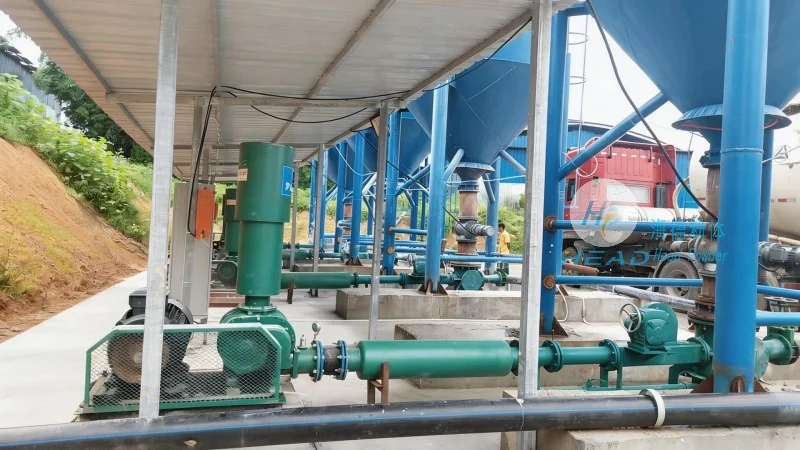
The pneumatic conveying system for phosphorus pentachloride typically consists of several interrelated components, each playing a vital role in the overall operation. The primary components include the material feed hopper, the conveying line, the air supply system, and the dust collection or filtration unit. These elements work in tandem to ensure the safe and effective transport of PCl₅ from its source to the destination point.
Material Feed Hopper and Feeder
The material feed hopper is the initial component where PCl₅ is stored before being conveyed. It is designed to hold the chemical in a controlled manner, preventing spontaneous reactions or contamination. The hopper is equipped with a feeder mechanism, such as a rotary valve or a screw feeder, which regulates the flow of PCl₅ into the conveying line. The feeder ensures a consistent and controlled feed rate, which is crucial for maintaining the stability of the pneumatic conveying process. The design of the hopper and feeder must consider the chemical properties of PCl₅, including its reactivity and potential for dust generation, to minimize safety risks.
Air Supply System and Compressor
The air supply system is a critical component that provides the necessary pressure and volume of air to move PCl₅ through the conveying line. This system typically includes a high-pressure compressor, which generates the required air pressure to overcome the resistance in the pipeline and ensure the material is transported efficiently. The compressor is often equipped with air treatment equipment, such as filters and dryers, to remove contaminants and moisture from the air. This is essential because moisture can react with PCl₅, leading to hazardous byproducts. The air supply system must be designed to handle the specific air requirements of the PCl₅ conveying process, ensuring optimal performance and safety.
Conveying Line and Pipeline Design
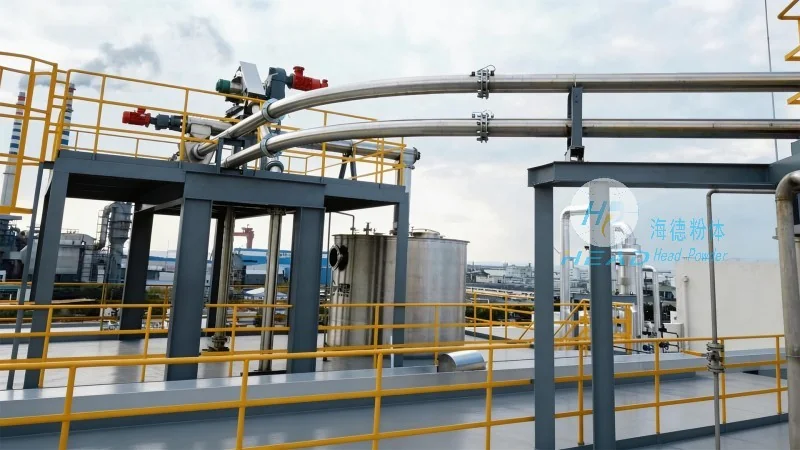
The conveying line, or pipeline, is the main channel through which PCl₅ is transported. It is constructed from materials that are resistant to the corrosive and reactive nature of PCl₅, such as stainless steel or specialized plastic composites. The pipeline design must consider factors like pressure ratings, material compatibility, and the need for smooth flow to minimize friction and prevent blockages. The line is typically equipped with valves and fittings that allow for control of the air flow and material movement. Proper pipeline design is essential to maintain the integrity of the system and prevent leaks or contamination.
Dust Collection and Filtration Unit
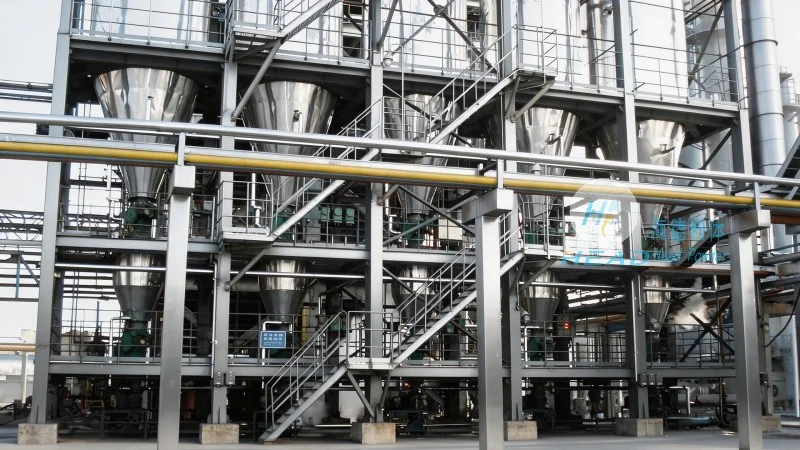
Due to the fine particle size of PCl₅ and its potential to generate dust during handling, a dust collection and filtration unit is a mandatory component of the pneumatic conveying system. This unit is responsible for capturing any airborne particles and returning them to the system or disposing of them safely. The filtration system typically includes high-efficiency particulate air (HEPA) filters or other specialized filters that can trap submicron particles. The dust collection unit also helps to maintain the overall cleanliness of the system and prevent the accumulation of hazardous dust, which could pose a fire or explosion risk. Proper maintenance of the filtration system is crucial to ensure its effectiveness and compliance with environmental regulations.
Control and Monitoring Systems
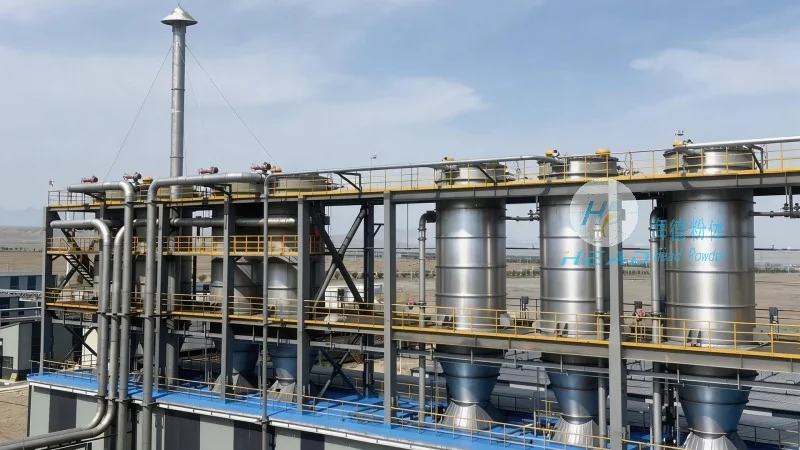
Modern PCl₅ pneumatic conveying systems are equipped with advanced control and monitoring systems to ensure safe and efficient operation. These systems include sensors and control panels that monitor parameters such as pressure, flow rate, and temperature. The control system can automatically adjust the air supply and feeder settings to maintain optimal conditions, preventing overloading or underloading of the system. Additionally, the monitoring system provides real-time data and alerts for any abnormalities, allowing operators to take immediate action to prevent accidents. The integration of control and monitoring systems enhances the safety and reliability of the PCl₅ conveying process, reducing the risk of incidents and improving overall operational efficiency.
Safety and Compliance Considerations
Given the hazardous nature of PCl₅, safety is a top priority in the design and operation of pneumatic conveying systems. All components must be designed and installed in accordance with relevant safety standards and regulations. The system includes safety features such as pressure relief valves, explosion vents, and emergency shut-off mechanisms to prevent overpressure and other hazardous situations. Regular maintenance and inspection of the system are also essential to ensure that all components are functioning correctly and that safety measures are in place. Compliance with environmental regulations is also critical, as the handling of PCl₅ generates waste and emissions that must be managed properly. The design of the system must consider all these factors to ensure that it operates safely and in compliance with all applicable laws and standards.