

What Comprises Desulfurization and Dust Removal Ash Pneumatic Conveying
Desulfurization and dust removal ash pneumatic conveying systems are critical components in industrial processes that aim to manage and transport byproducts from flue gas treatment. These systems are designed to efficiently handle the fine particulate matter and ash generated during the desulfurization and dust removal stages of power generation and other industrial operations. The effectiveness of such systems directly impacts the overall efficiency and environmental compliance of the facility.
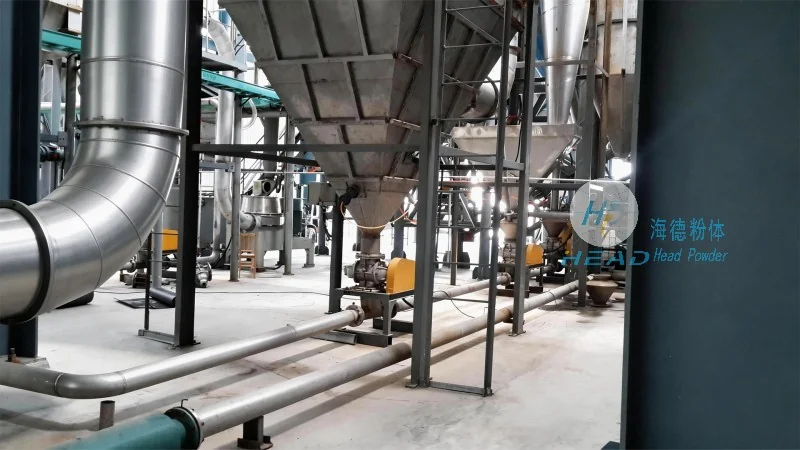
Key Components of Pneumatic Conveying Systems
The pneumatic conveying system for desulfurization and dust removal ash typically consists of several essential components that work in concert to ensure reliable and efficient operation. These components are meticulously engineered to handle the specific characteristics of the ash, such as its particle size, moisture content, and density. The primary components include the ash collection hopper, the conveying pipeline, the air supply system, and the control mechanisms.
Ash Collection Hopper
The ash collection hopper is the initial component where the desulfurization and dust removal ash is accumulated after it has been separated from the flue gas. This hopper is designed to store the ash in a controlled manner, preventing spillage and ensuring that the material is ready for transfer. The hopper is usually equipped with a discharge valve or a rotary valve that allows for the controlled release of the ash into the conveying pipeline. The design of the hopper takes into account the ash's properties, such as its tendency to agglomerate or stick to surfaces, to minimize blockages and ensure smooth flow.
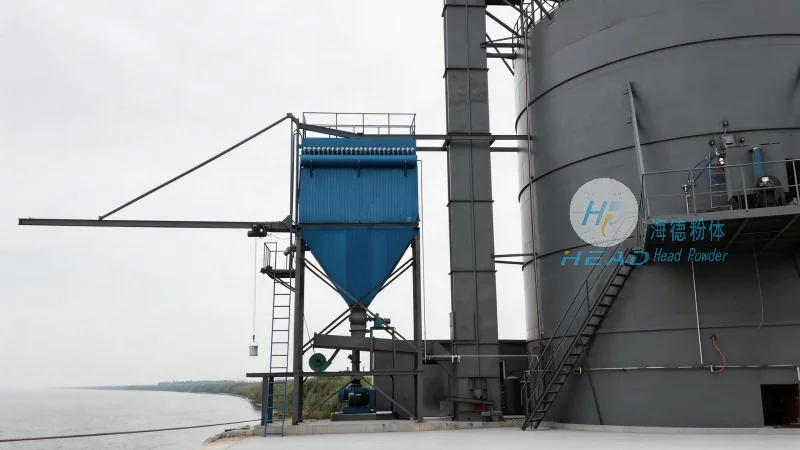
Conveying Pipeline
The conveying pipeline is the main channel through which the ash is transported from the collection hopper to the final disposal or processing location. The pipeline is typically made of materials that are resistant to corrosion and abrasion, such as stainless steel or high-density polyethylene, to withstand the harsh conditions of the ash and the air used for conveying. The pipeline is designed with appropriate bends and elbows to maintain the flow of the ash while minimizing pressure losses. The diameter and length of the pipeline are carefully selected based on the ash flow rate and the required conveying distance, ensuring optimal performance.
Air Supply System
The air supply system is responsible for providing the necessary air pressure and volume to move the ash through the conveying pipeline. This system typically includes a blower or a fan that generates the required airflow, along with a filter to remove any contaminants from the air before it enters the pipeline. The air pressure is carefully controlled to ensure that the ash is conveyed at an appropriate velocity, avoiding issues such as clogging or excessive energy consumption. The system may also include a pressure regulator and a flow meter to monitor and adjust the air supply as needed.
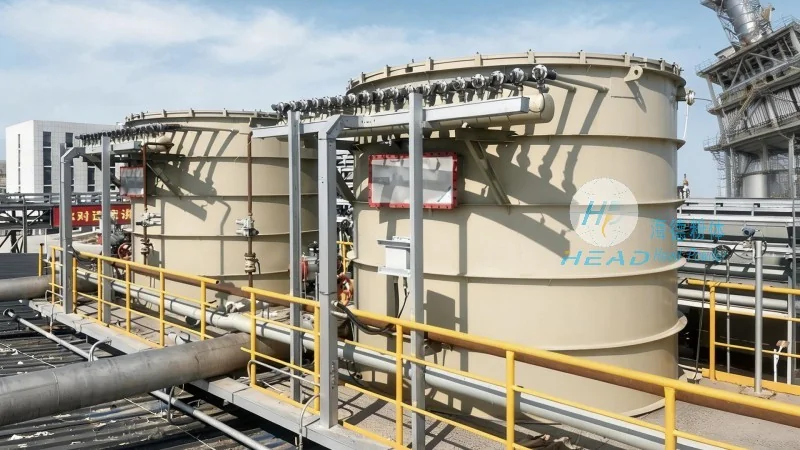
Control Mechanisms
The control mechanisms are crucial for the safe and efficient operation of the pneumatic conveying system. These mechanisms include sensors and control valves that monitor the ash level in the hopper, the pressure in the pipeline, and the airflow rate. The control system is designed to automatically adjust the operation of the conveying system based on these parameters, ensuring that the ash is conveyed at the optimal rate and preventing overloading or underloading of the system. The control mechanisms also include safety features, such as pressure relief valves and emergency shut-off valves, to protect the system and personnel from potential hazards.
Operational Considerations
Proper operation and maintenance of the desulfurization and dust removal ash pneumatic conveying system are essential for its long-term performance and reliability. Regular inspections and maintenance of the components, such as the hopper, pipeline, and air supply system, are necessary to prevent issues such as blockages, corrosion, or wear. The system should also be equipped with monitoring and diagnostic tools to detect any problems early and allow for timely repairs. Additionally, the ash properties, such as its moisture content and particle size, should be monitored and adjusted as needed to ensure optimal conveying performance.