

What Comprises Phosphorus Pentoxide Pneumatic Conveying
Phosphorus pentoxide (P₂O₅) is a critical chemical compound widely used in various industrial applications, including chemical manufacturing, pharmaceuticals, and specialty materials production. The efficient and safe handling of P₂O₅ is essential due to its hygroscopic nature and potential reactivity with moisture. Pneumatic conveying systems have emerged as a preferred method for transporting this hazardous material, offering advantages such as enclosed transport, reduced exposure risks, and improved process control. This article explores the key components that constitute a typical phosphorus pentoxide pneumatic conveying system, highlighting the role of each element in ensuring reliable operation and compliance with safety standards.
Key Components of Phosphorus Pentoxide Pneumatic Conveying
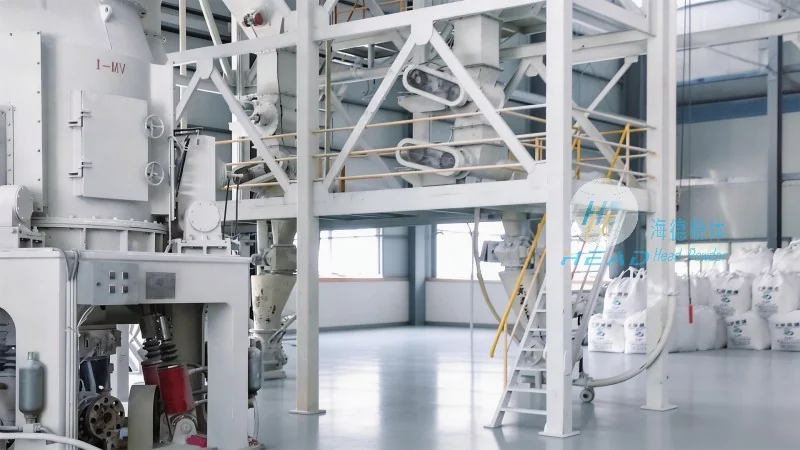
The pneumatic conveying system for phosphorus pentoxide typically consists of several interconnected components, each designed to perform a specific function in the material transport process. These components work in tandem to ensure the safe and efficient movement of the material from the source to the destination. The primary components include the material feed system, conveying line, air supply system, and material discharge equipment. Each of these elements is critical to the overall performance and safety of the system.
Material Feed System
The material feed system is the initial component that introduces phosphorus pentoxide into the conveying line. This system is engineered to handle the hygroscopic and potentially reactive properties of P₂O₅, ensuring that the material is fed consistently and without the risk of clogging or exposure to ambient moisture. The feed system typically includes a hopper or silo that stores the material, a feeder mechanism (such as a rotary valve or screw feeder) that controls the flow rate, and a pre-drying or conditioning unit to minimize moisture content. The design of the feed system is crucial as it directly impacts the uniformity of material flow and the overall efficiency of the conveying process. For example, the rotary valve is often used to provide a controlled, continuous feed, while the screw feeder may be employed for smaller quantities or more precise dosing. The pre-drying unit, such as a desiccant or heated chamber, helps to reduce moisture levels, preventing clumping or caking that could obstruct the conveying line.
Conveying Line
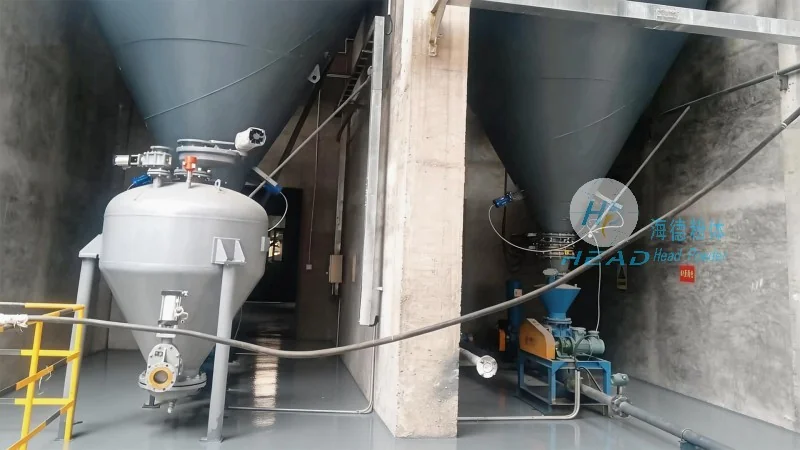
The conveying line is the central pathway through which phosphorus pentoxide is transported. It is usually constructed from materials that are resistant to chemical corrosion and wear, such as stainless steel or specialized alloys, to withstand the aggressive nature of P₂O₅. The line may be designed as a rigid pipeline or a flexible hose, depending on the application requirements. The design of the conveying line includes considerations for pressure drop, material velocity, and the risk of blockages. The line is typically equipped with pressure sensors and flow meters to monitor the system's performance in real-time. These monitoring devices help operators to detect any anomalies, such as increased pressure drop or reduced flow, which may indicate a blockage or other operational issues. The conveying line may also incorporate expansion joints or flexible connectors to accommodate thermal expansion and reduce stress on the system components. Additionally, the line is often insulated to prevent heat loss or gain, which can affect the material's properties or the system's efficiency.
Air Supply System
The air supply system provides the necessary pneumatic power to move phosphorus pentoxide through the conveying line. This system typically includes a blower or compressor, air filters, and pressure regulators. The blower or compressor generates the required airflow and pressure to create a positive or negative pressure environment within the line. The air filters are essential to remove contaminants from the air, preventing dust or debris from entering the conveying system and potentially damaging the equipment or contaminating the material. The pressure regulators ensure that the air pressure is maintained at a consistent level, which is critical for stable material transport. The air supply system may also include a moisture separator or dryer to remove any moisture from the air, as moisture can react with P₂O₅ and cause corrosion or material degradation. The selection of the air supply equipment depends on the material flow rate, the length of the conveying line, and the required pressure. For example, a high-pressure blower may be used for long-distance or high-capacity conveying, while a low-pressure system may be suitable for shorter distances or smaller quantities.
Material Discharge Equipment
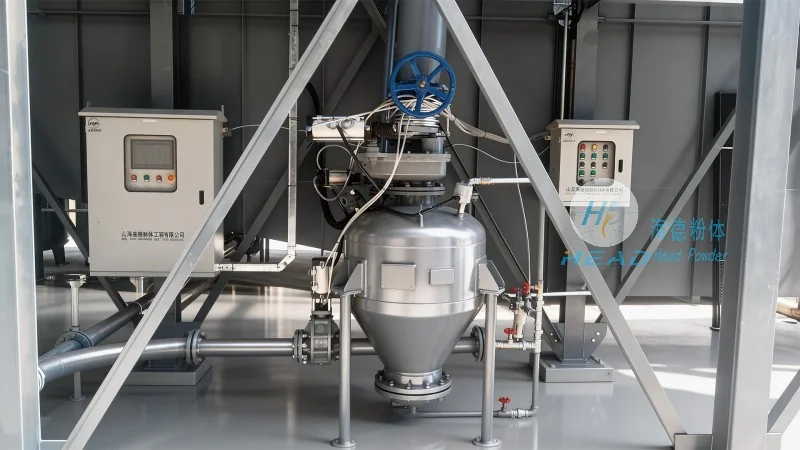
The material discharge equipment is the final component of the pneumatic conveying system, responsible for releasing phosphorus pentoxide from the conveying line into the receiving container or process equipment. This system is designed to handle the material safely and efficiently, preventing spillage or exposure to the environment. The discharge equipment typically includes a receiving hopper or tank, a discharge valve (such as a rotary valve or gate valve), and a dust collection system. The receiving hopper is often equipped with a level sensor to monitor the material level, ensuring that the system operates within safe limits. The discharge valve controls the flow rate of the material, allowing for precise dosing or continuous discharge. The dust collection system, such as a baghouse or cyclone, captures any airborne particles that may be released during the discharge process, preventing dust emissions and protecting the environment. The design of the discharge equipment is critical as it must be compatible with the material's properties and the receiving equipment. For example, the discharge valve may be constructed from corrosion-resistant materials to withstand the chemical exposure from P₂O₅, and the dust collection system may be equipped with filters that can handle the fine particles generated by the material.
Control and Monitoring Systems
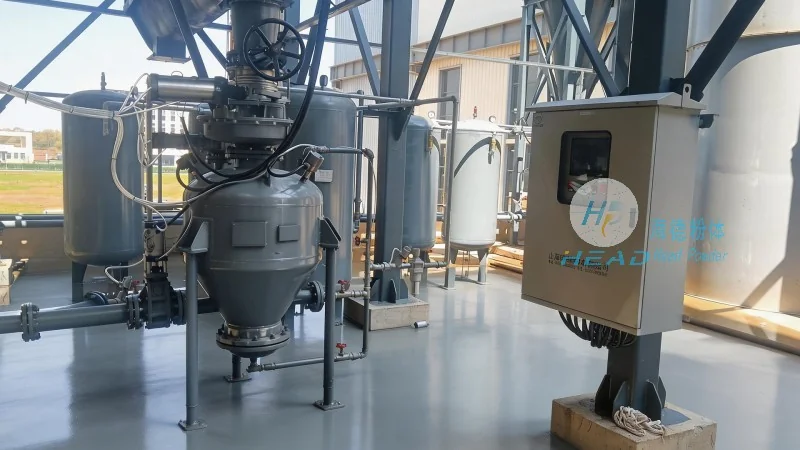
Modern phosphorus pentoxide pneumatic conveying systems are equipped with advanced control and monitoring systems to ensure optimal performance and safety. These systems typically include programmable logic controllers (PLCs), sensors, and human-machine interfaces (HMIs). The PLCs are used to automate the operation of the system, controlling the feed rate, air pressure, and discharge flow. The sensors, such as pressure sensors, flow meters, and level sensors, provide real-time data on the system's performance, which is displayed on the HMI. The HMI allows operators to monitor the system status, adjust parameters, and receive alerts in case of any issues. The control system may also include safety interlocks to prevent operation under unsafe conditions, such as low air pressure or high material level. These interlocks ensure that the system shuts down automatically if any critical parameter is exceeded, protecting both the equipment and personnel. The monitoring data collected by the system can be used for maintenance planning and performance optimization, helping to reduce downtime and improve overall efficiency. For example, the system may generate reports on pressure drop, flow rate, and material throughput, which can be used to identify trends and make adjustments to the system operation.
Conclusion
In summary, the pneumatic conveying system for phosphorus pentoxide is a complex and integrated system that relies on several key components to ensure safe and efficient material transport. The material feed system, conveying line, air supply system, and material discharge equipment work together to handle the hygroscopic and reactive properties of P₂O₅. The control and monitoring systems provide the necessary oversight to maintain system performance and safety. The design and selection of each component are critical to the overall success of the system, and must be tailored to the specific application requirements. As a leading provider in the field, Shandong HeadPowder Engineering Co., Ltd. specializes in the design, manufacturing, and installation of phosphorus pentoxide pneumatic conveying systems, ensuring that clients receive customized solutions that meet their specific needs and comply with industry standards. With a focus on safety, efficiency, and reliability, HeadPowder Engineering Co., Ltd. is committed to delivering high-quality systems that enhance the performance of industrial processes while minimizing risks.