

What is Color Sand Pneumatic Conveying? An Introduction to the Working Principle of Powder Handling
Color sand pneumatic conveying, also known as powder handling systems, is a method used to transport dry bulk materials like color sand through a pipeline using air pressure. This technology is widely adopted in various industries due to its efficiency and flexibility in material transportation. In this article, we will explore the fundamental principles and working mechanisms of such systems, with a focus on the expertise of Shandong HeadPowder Engineering Co., Ltd., a leading provider based in Shandong, China.
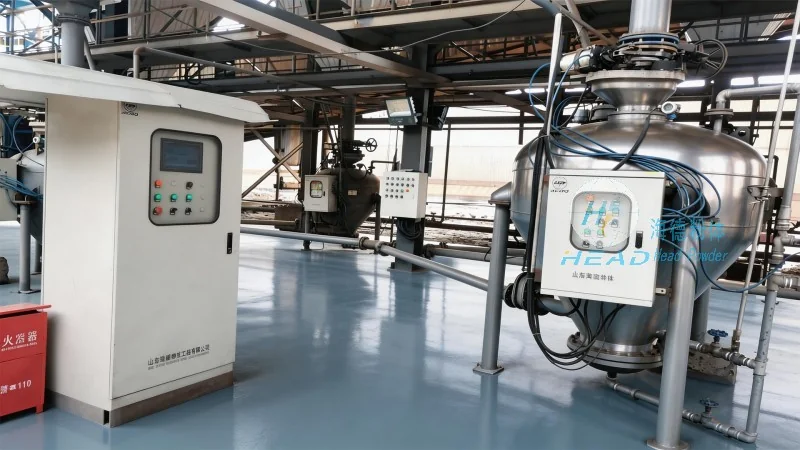
Understanding Pneumatic Conveying Systems
Pneumatic conveying systems utilize compressed air or gas to move dry powders and granules through a closed pipeline. The process involves creating a pressure differential between the inlet and outlet of the system, which propels the material along the pipeline. There are primarily two types of pneumatic conveying systems: pressure and vacuum systems. Pressure systems operate by forcing air and material through the pipeline under positive pressure, while vacuum systems draw material into the pipeline using negative pressure.
Key Components of a Pneumatic Conveying System
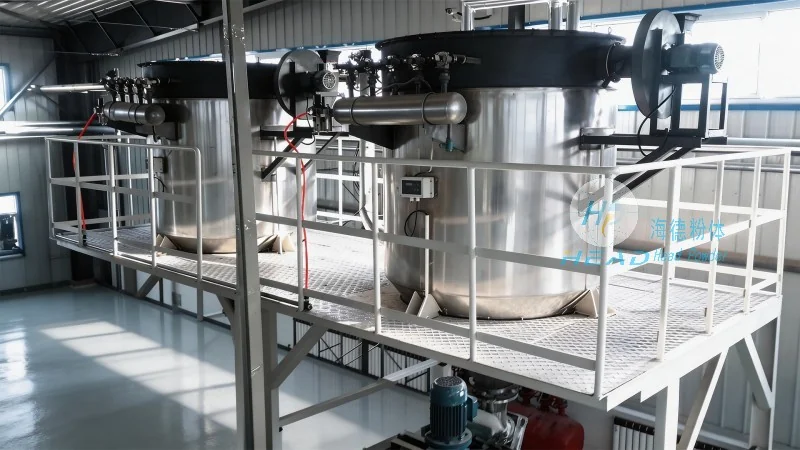
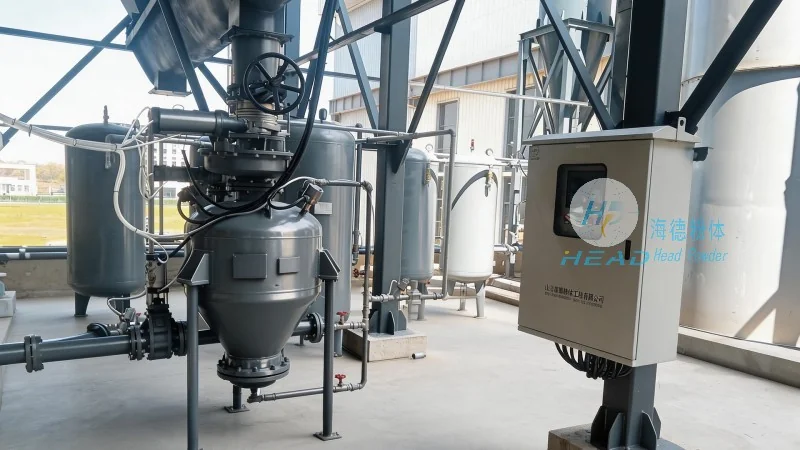
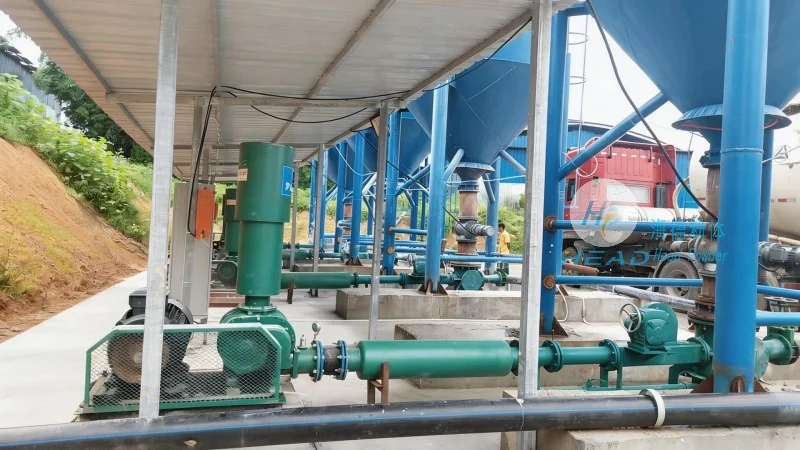
The effectiveness of a pneumatic conveying system depends on several critical components that work in tandem. These include the material feed hopper, which stores and feeds the color sand into the system; the air compressor or vacuum pump, which provides the necessary pressure or vacuum; the pipeline network, which transports the material; and the discharge unit, which releases the material at the destination. Additionally, components like filters, cyclones, and silos are often integrated to ensure material separation and system efficiency.
Working Principle of Color Sand Pneumatic Conveying
In a typical pressure system, the color sand is first loaded into the feed hopper. The air compressor then generates high-pressure air, which is mixed with the sand and introduced into the pipeline. As the air and sand mixture travels through the pipeline, the air pressure propels the material forward. At the discharge point, the air is separated from the sand, often using a cyclone separator or a filter, allowing the sand to be collected in a storage silo. Vacuum systems operate similarly but use a vacuum pump to draw the material into the pipeline, creating a suction effect that moves the sand from the source to the destination.
Advantages of Pneumatic Conveying for Color Sand
Shandong HeadPowder Engineering Co., Ltd. specializes in designing and manufacturing advanced pneumatic conveying systems tailored for color sand applications. The company's systems offer several advantages, including minimal material degradation due to gentle handling, reduced contamination risk as the material is contained within a closed system, and the ability to transport materials over long distances without the need for multiple transfer points. Additionally, these systems are highly flexible, allowing for easy integration into existing production lines and adaptability to varying material characteristics.
Applications and Industries
Pneumatic conveying systems are widely used in industries that handle color sand and other dry bulk materials. These include the construction industry for transporting sand and aggregates, the paint and coating industry for delivering pigments and fillers, the glass manufacturing industry for moving raw materials, and the chemical industry for handling various powders. The versatility of these systems makes them suitable for a wide range of applications, from small-scale operations to large industrial facilities.
Conclusion
Color sand pneumatic conveying is a sophisticated and efficient method for transporting dry bulk materials. Through the integration of advanced components and precise control systems, Shandong HeadPowder Engineering Co., Ltd. provides reliable solutions that enhance material handling processes across various industries. By understanding the working principles and advantages of pneumatic conveying, businesses can optimize their operations and improve overall productivity.