

What is Alumina Slag Pneumatic Conveying? An Introduction to the Working Principle of Powder Handlin
Alumina slag, a byproduct of aluminum production, poses unique challenges when it comes to handling and transportation. Traditional methods often struggle with the abrasive and dusty nature of this material, leading to operational inefficiencies and increased maintenance costs. This is where pneumatic conveying systems, specifically designed for handling alumina slag, offer a sophisticated solution. In this article, we delve into the working principle of such systems, exploring how they efficiently manage the transportation of alumina slag while ensuring safety and operational reliability.
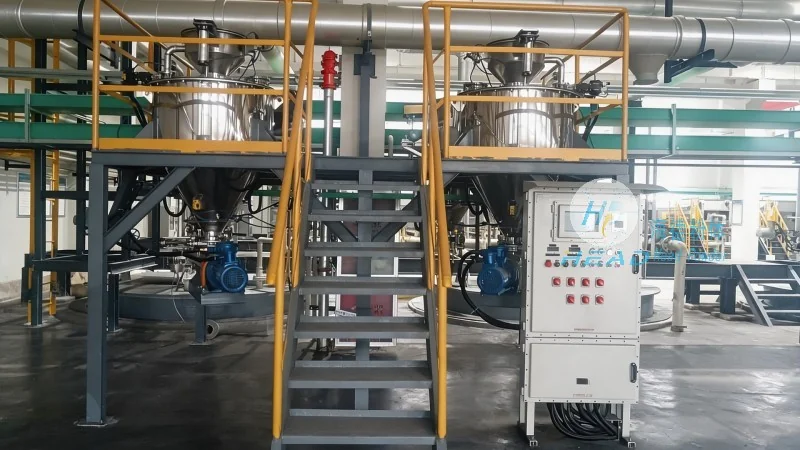
Understanding Pneumatic Conveying Systems for Alumina Slag
Pneumatic conveying, or powder handling systems, utilize a combination of air flow and pressure to transport bulk materials like alumina slag through a network of pipes. Unlike mechanical systems that rely on moving parts and conveyors, pneumatic systems operate by creating a flow of air that carries the material from the source to the destination. This method is particularly advantageous for handling abrasive and fine powders, as it minimizes direct contact between the material and equipment, reducing wear and tear.
The Core Components of an Alumina Slag Pneumatic Conveying System
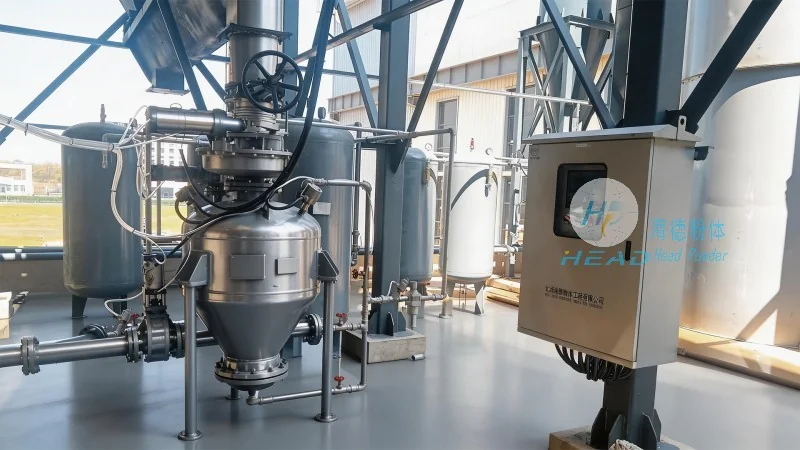
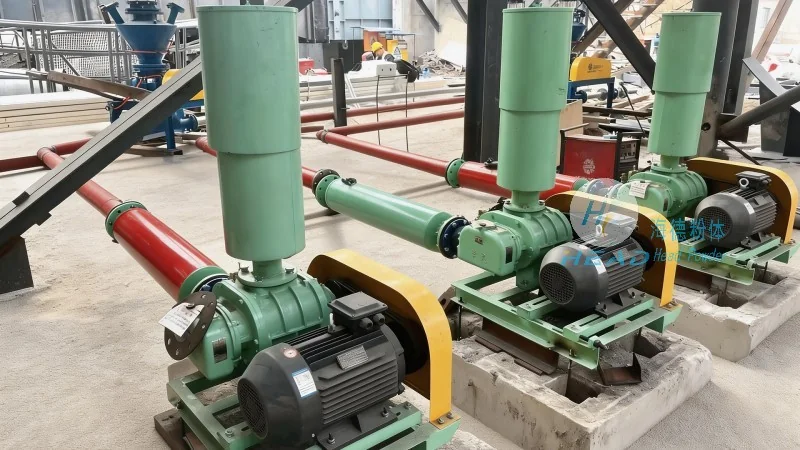
At the heart of any pneumatic conveying system for alumina slag are several key components that work in tandem to ensure efficient material transport. These components include the material feeder, which introduces the alumina slag into the system; the air compressor or blower, which generates the necessary air pressure; the conveying line, typically made of durable materials like stainless steel to withstand the abrasive nature of the slag; and the receiver, where the material is deposited at the end of the line.
How the Pneumatic Conveying Process Works
The operation of an alumina slag pneumatic conveying system begins with the material feeder. This component, often a rotary valve or a screw feeder, feeds the alumina slag into the conveying line at a controlled rate. Simultaneously, the air compressor or blower starts to generate a flow of air within the pipe. As the air moves through the line, it creates a pressure differential that draws the alumina slag particles into the air stream. The combination of air and material forms a dense phase or dilute phase flow, depending on the system design and operational parameters.
Advantages of Using Pneumatic Conveying for Alumina Slag
Implementing a pneumatic conveying system for alumina slag offers several significant advantages over traditional methods. Firstly, it eliminates the need for heavy machinery and moving parts, reducing maintenance requirements and operational downtime. Secondly, the system provides a dust-free and enclosed environment, enhancing workplace safety and compliance with environmental regulations. Thirdly, pneumatic conveying systems can handle materials with high moisture content or fine particles, which are often challenging for other transport methods. Additionally, these systems offer flexibility in layout, allowing for horizontal, vertical, or even complex multi-directional transport routes.
Applications and Industries Benefiting from Alumina Slag Pneumatic Conveying
The benefits of pneumatic conveying for alumina slag are particularly evident in the aluminum production industry. After the alumina slag is separated from the aluminum metal, it needs to be transported to disposal or recycling facilities. Pneumatic systems enable this transportation without the need for trucks or other external transport vehicles, reducing transportation costs and environmental impact. Furthermore, in the aluminum smelting process, the slag can be reprocessed to recover valuable components, and pneumatic conveying facilitates the efficient movement of the material between processing stages.
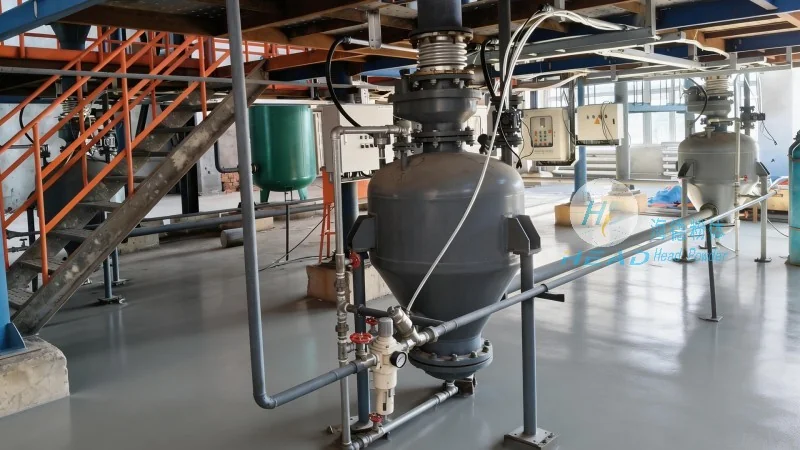
Considerations for Designing an Effective Alumina Slag Pneumatic Conveying System
Designing an effective pneumatic conveying system for alumina slag requires careful consideration of several factors. The first is the material's properties, such as particle size, density, and abrasiveness, as these affect the system's capacity and pressure requirements. The second is the system's layout, including the length and elevation changes of the conveying line, which influence the air flow and energy consumption. Thirdly, the choice of materials for the conveying line and components is critical, as alumina slag is highly abrasive and can cause significant wear if not properly protected. Finally, the system's control and monitoring capabilities are essential for maintaining optimal performance and detecting any issues in real-time.
Conclusion: The Future of Alumina Slag Handling with Pneumatic Conveying
As the aluminum industry continues to evolve, the need for efficient and reliable material handling solutions becomes increasingly important. Pneumatic conveying systems, particularly those tailored for alumina slag, offer a robust and versatile approach to managing this challenging byproduct. By understanding the working principles and key components of such systems, companies can optimize their operations, reduce costs, and enhance safety. With advancements in technology, these systems are becoming more efficient and cost-effective, making them an attractive investment for any aluminum production facility. The future of alumina slag handling lies in the continued development and application of advanced pneumatic conveying technologies, ensuring sustainable and efficient operations in the industry.