

What is Micron Silica Powder Pneumatic Conveying? An Introduction to the Working Principle of Powder
Understanding the mechanics of micron silica powder pneumatic conveying is crucial for industries that rely on efficient and reliable powder handling solutions. This article provides a detailed overview of the process, focusing on the working principles of powder handling systems and how they apply to the transportation of fine materials like micron silica powder.
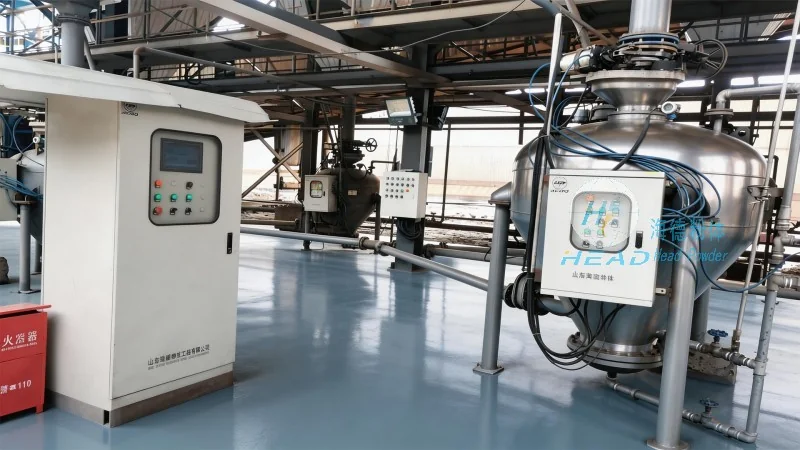
Introduction to Micron Silica Powder Pneumatic Conveying
Micron silica powder, a fine particulate material commonly used in various industrial applications, often requires specialized handling methods due to its small particle size and potential for dust generation. Pneumatic conveying offers an effective solution by using air or gas to transport the powder through a system of pipes and components. This method is particularly advantageous for micron silica powder, which can be sensitive to handling conditions and requires a system that minimizes particle degradation and ensures consistent flow.
About HeadPowder: A Leading Provider of Powder Handling Solutions
HeadPowder, a division of Shandong HeadPowder Engineering Co., Ltd., is a professional manufacturer and supplier dedicated to providing high-quality powder handling equipment and systems. With operations based in Shandong, China, HeadPowder has established itself as a trusted partner for businesses seeking reliable solutions for transporting fine powders. The company specializes in designing and manufacturing pneumatic conveying systems tailored to the unique needs of various industries, including chemical, pharmaceutical, food, and more.
The Working Principle of Micron Silica Powder Pneumatic Conveying Systems
Micron silica powder pneumatic conveying systems operate on the principle of using air or gas to create a flow that transports the powder from a source to a destination. The system typically consists of several key components, including a hopper for material storage, a conveyor line with appropriate piping, and a receiver for the discharged material. The process begins with the powder being fed into the system, often via a rotary valve or feeder, which controls the flow rate and prevents clogging.
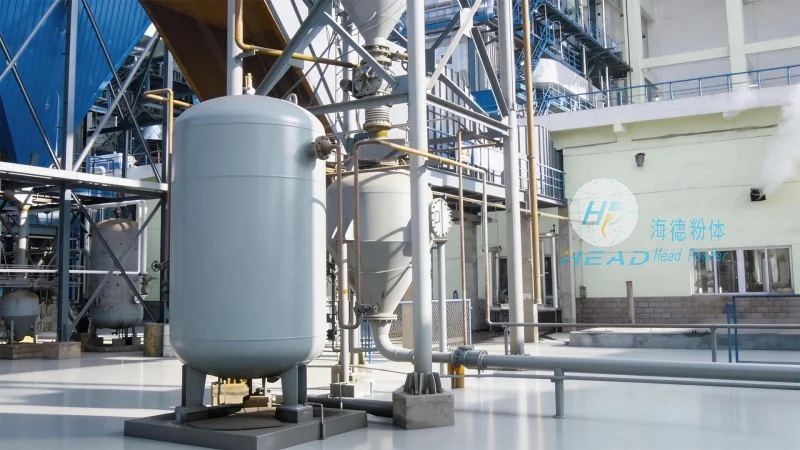
Once the powder is introduced, the conveying medium—usually compressed air or nitrogen—is introduced into the system. The air flows through the pipes, creating a pressure differential that pulls the powder particles along with it. This creates a slurry-like mixture known as a "conveying stream," which moves the powder through the system. The velocity of the air is critical; it must be sufficient to overcome the gravitational forces acting on the particles and maintain a stable flow without causing excessive wear or degradation of the powder.
Key Components and Their Functions in a Micron Silica Powder Pneumatic Conveying System
Several components work together to ensure the efficient and safe transport of micron silica powder. The hopper or feeder is responsible for storing and feeding the powder into the system. It is designed to minimize particle segregation and ensure a consistent flow rate. The rotary valve or feeder controls the amount of powder entering the conveyor line, preventing overfilling and maintaining a steady supply.
The conveying line itself is made of materials resistant to the abrasive nature of micron silica powder, such as stainless steel or specialized plastics. The piping is typically arranged in a loop or straight line, depending on the layout of the facility. The receiver or discharge hopper collects the powder at the end of the system, allowing it to be discharged into a storage container or processing equipment.
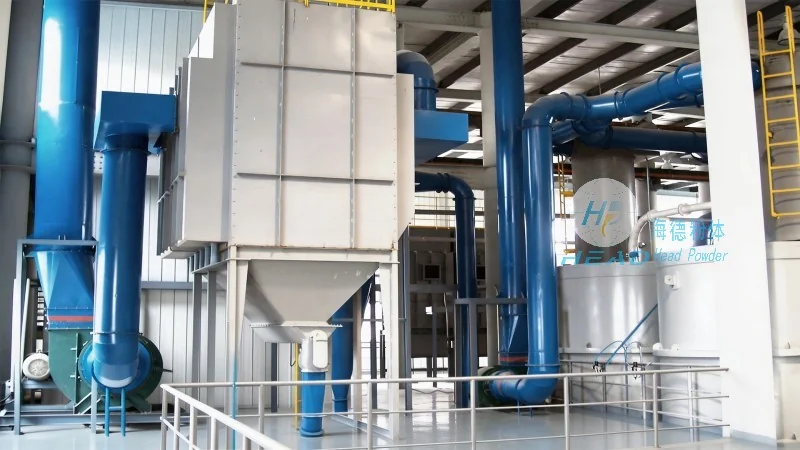
Another critical component is the air compressor or blower, which provides the necessary pressure and volume of air to drive the conveying process. The air is filtered and dried to prevent moisture from affecting the powder quality. Additionally, the system may include filters and cyclones to separate the powder from the air, ensuring that the discharged air is clean and the powder is collected efficiently.
Advantages of Using Micron Silica Powder Pneumatic Conveying Systems
Implementing a pneumatic conveying system for micron silica powder offers several advantages over traditional methods like bucket elevators or belt conveyors. One of the primary benefits is the ability to transport the powder in a closed system, which minimizes dust emissions and improves workplace safety. This is particularly important for micron silica powder, which can be hazardous if inhaled or if it causes respiratory issues.
Another advantage is the flexibility of the system. Pneumatic conveying systems can be easily reconfigured or expanded to accommodate changes in production volume or facility layout. The system can transport powder over long distances and through multiple levels, making it suitable for complex industrial environments. Additionally, the process is relatively low maintenance compared to other bulk material handling methods, reducing operational costs and downtime.
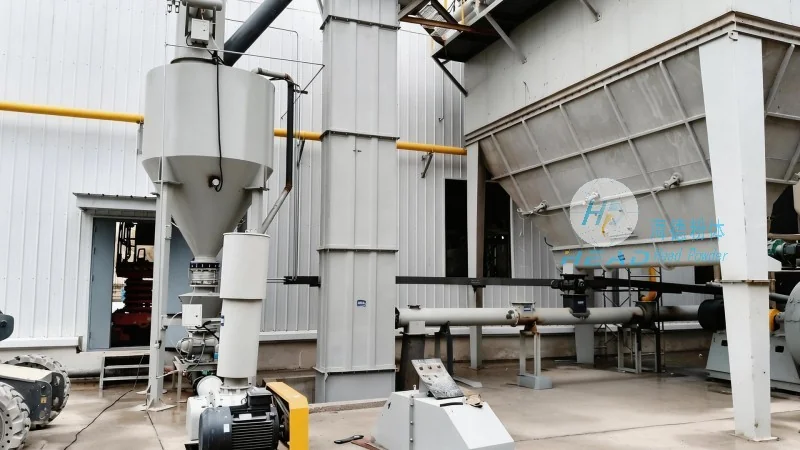
Applications of Micron Silica Powder Pneumatic Conveying
Micron silica powder pneumatic conveying systems are widely used in various industries where fine powders are processed or transported. In the chemical industry, these systems are used to transport raw materials like silica to production lines or storage facilities. In the pharmaceutical industry, they are employed to handle active pharmaceutical ingredients (APIs) and excipients, ensuring that the powder is handled hygienically and without contamination.
In the food industry, pneumatic conveying is used to transport ingredients like silica or other fine powders into processing equipment, maintaining the quality and safety of the final product. The food-grade components of the system ensure that the powder remains free from contaminants and is suitable for use in food applications.
Conclusion
Micron silica powder pneumatic conveying is a sophisticated and efficient method for transporting fine powders, offering numerous benefits over traditional handling techniques. By understanding the working principles and key components of these systems, industries can select the most appropriate solution for their specific needs. HeadPowder, with its expertise in powder handling systems, provides reliable and customized solutions that enhance operational efficiency and ensure the safe and effective transport of micron silica powder.