

What is Phosphate Rock Powder Pneumatic Conveying? Introduction to the Working Principle of Powder H
Phosphate rock powder pneumatic conveying is a specialized method used in the industrial sector to transport fine powders, such as phosphate rock, through a pipeline system using air or gas as the conveying medium. This technology is integral to processes in the chemical, mining, and agricultural industries, where efficient and reliable powder handling is crucial for operational efficiency and product quality. The following article provides an in-depth look at the working principles of such systems, emphasizing the role of companies like Shandong HeadPowder Engineering Co., Ltd. in delivering advanced solutions for powder transportation.
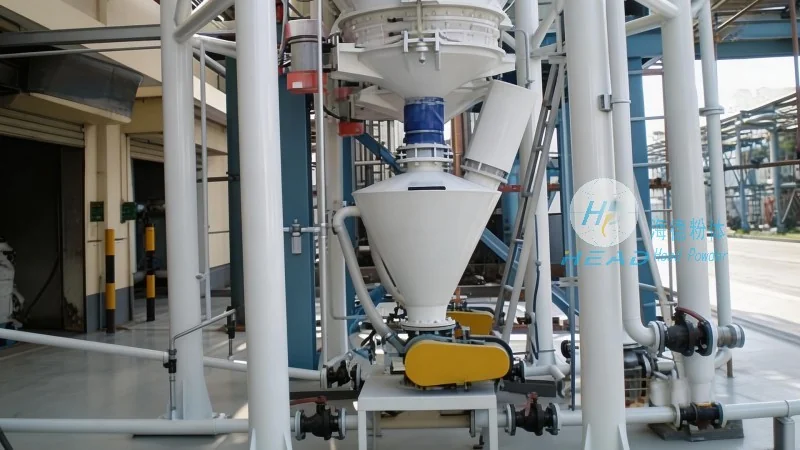
Understanding Phosphate Rock Powder Pneumatic Conveying Systems
At the core of phosphate rock powder pneumatic conveying is the ability to move dry, fine powders over long distances without the need for mechanical components like belts or buckets. The system operates by creating a pressure differential within a pipeline, either by generating positive pressure (where air is forced into the line) or negative pressure (where air is drawn out). This pressure difference propels the powder particles along the pipeline, often in a dilute phase, where the powder is suspended in the air stream. The choice between positive and negative pressure systems depends on factors such as the distance to be covered, the type of powder, and the required flow rate. For phosphate rock, which is typically a fine, abrasive material, positive pressure systems are commonly preferred due to their ability to handle high flow rates and provide consistent performance.
Key Components of a Phosphate Rock Powder Pneumatic Conveying System
Shandong HeadPowder Engineering Co., Ltd., a leading provider of powder handling solutions, designs and manufactures comprehensive pneumatic conveying systems tailored to the unique characteristics of phosphate rock. A typical system includes several critical components that work in tandem to ensure efficient powder transport. These components include:
1. Conveying Pipeline: The main pathway for transporting the powder, usually made of materials like stainless steel or PVC to withstand the abrasive nature of phosphate rock and prevent particle buildup. The pipeline is designed with smooth bends and minimal obstructions to maintain consistent flow and prevent blockages.
2. Feeder: The device responsible for introducing the phosphate rock powder into the pipeline at a controlled rate. A rotary valve or a screw feeder is commonly used, ensuring a steady supply of material without causing airlock or uneven flow. The feeder is crucial for maintaining the desired flow rate and preventing material degradation.
3. Blower or Vacuum Pump: The power source that creates the pressure differential. In positive pressure systems, a high-pressure blower generates the necessary air pressure to push the powder through the pipeline. In negative pressure systems, a vacuum pump draws air and powder from the source and transports them to the destination. The selection of the blower or pump depends on the system's capacity and the distance of the conveying line.
4. Separation and Collection Equipment: At the end of the pipeline, the powder is separated from the air stream and collected. This typically involves a cyclone separator or a baghouse filter, which captures the powder and returns it to the process while allowing the air to be vented or recirculated. Proper separation is essential to prevent dust emissions and maintain environmental compliance.
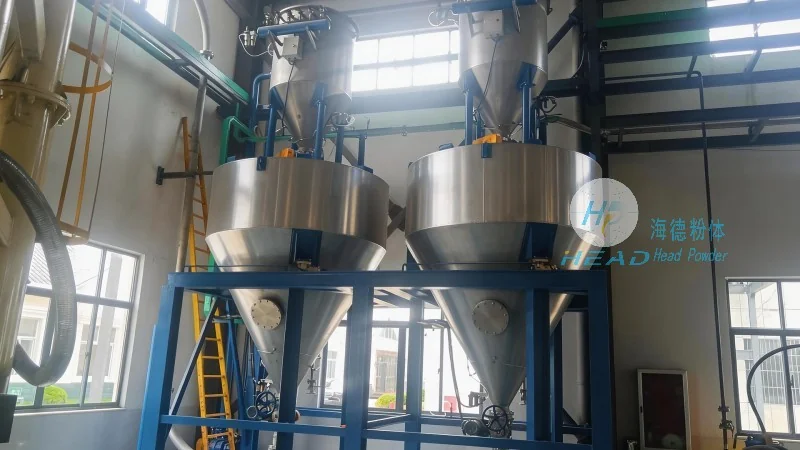
The Working Principle of Phosphate Rock Powder Pneumatic Conveying
The operation of a phosphate rock powder pneumatic conveying system involves a sequence of steps that ensure the efficient movement of the material. The process begins with the powder being fed into the pipeline by the feeder. Simultaneously, the blower or vacuum pump starts operating, creating the pressure differential. In a positive pressure system, the high-pressure air is introduced at the inlet, where it mixes with the powder and propels it forward. The air and powder mixture travels through the pipeline, with the powder particles suspended in the air stream. As the mixture reaches the destination, it enters the separation equipment, where the air is separated from the powder. The separated powder is then collected and can be used in subsequent processes, such as chemical processing or fertilizer production. The air, now free of powder, may be filtered and recirculated to improve energy efficiency and reduce waste.
Benefits of Using Phosphate Rock Powder Pneumatic Conveying Systems
Implementing a pneumatic conveying system for phosphate rock offers several advantages that enhance operational efficiency and product quality. These benefits include:
1. Reduced Downtime and Maintenance: Unlike mechanical systems that require regular maintenance and can be prone to breakdowns, pneumatic systems have fewer moving parts, leading to lower maintenance costs and reduced downtime. The absence of belts, buckets, or other mechanical components minimizes the risk of wear and tear, extending the system's lifespan.
2. Improved Product Quality: Pneumatic conveying systems prevent product contamination and degradation that can occur with mechanical handling methods. The powder is transported in a closed system, protecting it from moisture, dust, and other environmental factors that could affect its quality. This is particularly important for phosphate rock, which is used in the production of fertilizers and other chemical products where purity is critical.
3. Flexibility and Scalability: Pneumatic systems can be easily scaled to accommodate varying production volumes and can be integrated with existing facilities or expanded as production needs grow. The ability to adjust the flow rate and pressure allows for flexibility in handling different types of phosphate rock powders, from fine to coarse particles.
4. Environmental Compliance: Modern pneumatic conveying systems, especially those designed by Shandong HeadPowder Engineering Co., Ltd., incorporate advanced filtration and dust control measures to meet environmental regulations. The closed system design minimizes dust emissions, reducing the impact on the environment and ensuring compliance with local and international standards.
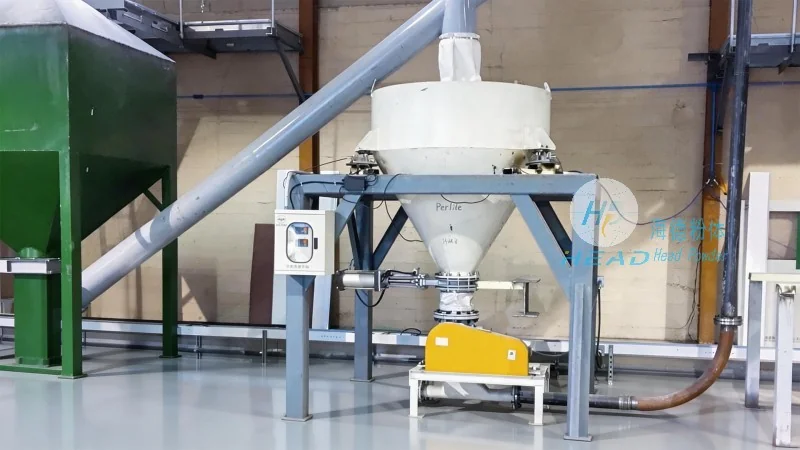
Applications of Phosphate Rock Powder Pneumatic Conveying
Phosphate rock powder pneumatic conveying systems are widely used in various industries where phosphate rock is processed or utilized. Some common applications include:
1. Fertilizer Production: Phosphate rock is a key raw material in the production of phosphate fertilizers, such as superphosphate and triple superphosphate. Pneumatic conveying systems efficiently transport the raw phosphate rock from storage silos to the processing units, ensuring a steady supply of material for the production line.
2. Chemical Processing: In chemical plants, phosphate rock is used as a source of phosphorus for the production of phosphoric acid and other chemical products. Pneumatic conveying systems facilitate the transport of the powder from storage to the reaction vessels, maintaining consistent flow rates and preventing material buildup.
3. Food and Feed Industry: Phosphate rock is sometimes used as a source of phosphorus in animal feed and certain food products. Pneumatic conveying systems ensure the safe and efficient transport of the powder, maintaining hygiene standards and preventing contamination.
4. Mineral Processing: In mining operations, phosphate rock is extracted and processed into concentrates. Pneumatic conveying systems are used to transport the processed phosphate rock from the mining site to processing facilities or for further downstream processing.
Conclusion
Phosphate rock powder pneumatic conveying is a vital technology in the industrial sector, enabling the efficient and reliable transport of fine powders like phosphate rock. Companies like Shandong HeadPowder Engineering Co., Ltd. play a crucial role in designing and manufacturing advanced pneumatic conveying systems that meet the specific needs of the industry. By leveraging the benefits of pneumatic systems, such as reduced maintenance, improved product quality, and environmental compliance, industries can enhance their operational efficiency and ensure sustainable production practices. As the demand for phosphate rock continues to grow, the importance of reliable powder handling systems will only increase, making pneumatic conveying an essential component of modern industrial operations.