

What is Protein Powder Pneumatic Conveying? An Introduction to the Working Principle of Powder Handl
Protein powder, a staple in the health and fitness industry, often requires efficient and reliable transportation from production to storage or end-use applications. Pneumatic conveying systems have emerged as a key technology for handling such powders, offering advantages in terms of hygiene, speed, and flexibility. This article delves into the concept of protein powder pneumatic conveying, explaining how these systems operate and the benefits they provide.
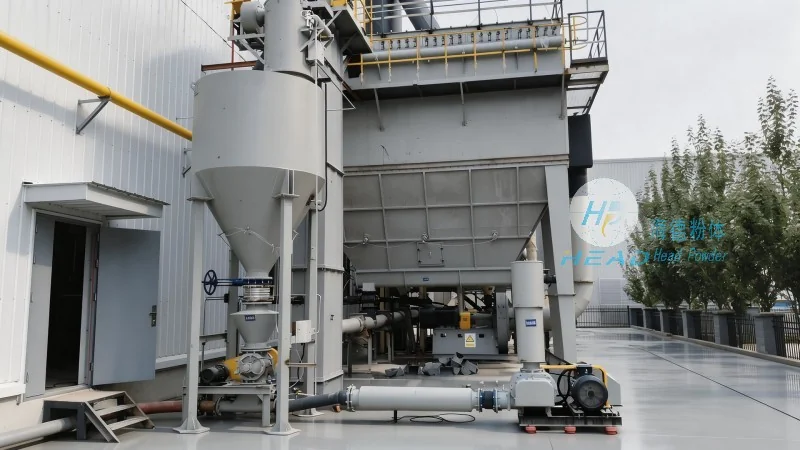
At the heart of protein powder pneumatic conveying is the use of air to transport dry powders through a network of pipes. The process typically involves a few core components: a hopper for material storage, a feeder to control the flow of powder, a compressor to generate the necessary air pressure, and a receiver to collect the conveyed material. Each component plays a critical role in ensuring the system functions smoothly and efficiently.
One of the primary methods used in protein powder pneumatic conveying is the dilute phase system. In this approach, the powder is mixed with a large volume of air, creating a dilute mixture that flows through the pipeline. This method is particularly suitable for high-volume applications and offers low pressure drop, making it energy-efficient. The dilute phase system is widely used in the protein powder industry due to its ability to handle large quantities of material without compromising on performance.
Conversely, the dense phase system operates by compressing the powder-air mixture, resulting in a higher concentration of powder in the pipeline. This method is often employed when the material is sensitive to high air speeds or when precise control over the flow rate is required. For protein powders, which can be prone to agglomeration or degradation under high shear, the dense phase system provides a gentler transport method, preserving the quality of the product.
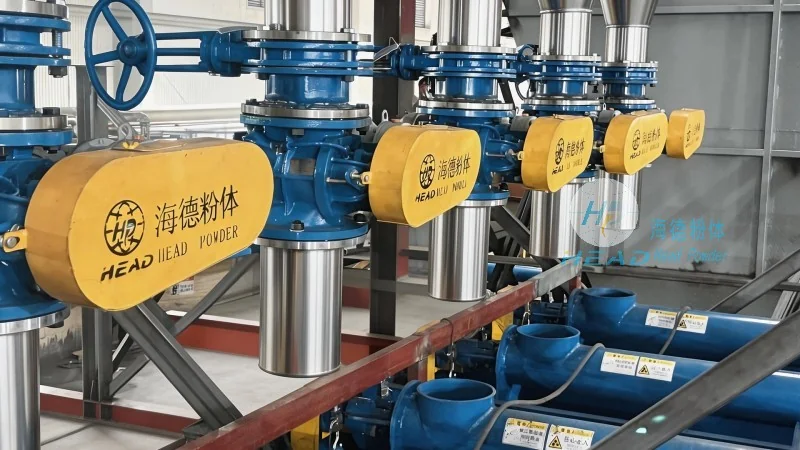
The choice between dilute and dense phase pneumatic conveying depends on several factors, including the characteristics of the protein powder, the distance of transport, and the desired flow rate. For instance, if the protein powder is fine and prone to dusting, a dense phase system may be preferred to minimize particle breakage. Conversely, for bulk quantities of less sensitive powders, a dilute phase system can offer cost savings and higher throughput.
Another critical aspect of protein powder pneumatic conveying is the design of the system components. The hopper must be designed to prevent material bridging or caking, which can disrupt the flow of powder. This is often achieved through the use of special hopper shapes, such as conical or wedge-shaped designs, and the incorporation of vibrators or air knives to break up any agglomerates. The feeder, typically a rotary valve or a mass flow meter, ensures a consistent and controlled feed rate, preventing surges or gaps in the material flow.
The compressor is a vital component that generates the air pressure needed to move the powder through the system. In protein powder applications, it is essential to use compressors that are compatible with food-grade materials, as the protein powder is a consumable product. This means the compressor must be constructed from materials that are non-corrosive and easy to clean, such as stainless steel. Additionally, the compressor should be equipped with filters to remove any moisture or contaminants from the air, ensuring the purity of the conveyed powder.
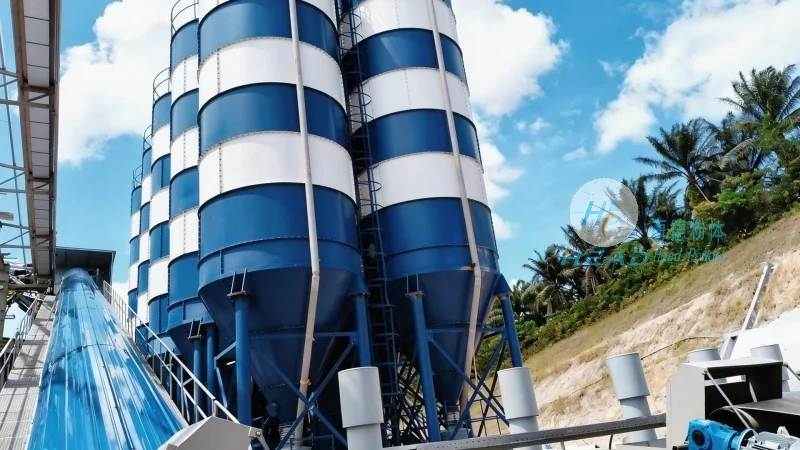
The receiver, where the protein powder is collected after transport, must also be designed with hygiene and efficiency in mind. It typically features a dust collection system to prevent airborne particles from escaping and a discharge mechanism that allows for easy unloading of the material. The receiver may also include a level indicator to monitor the amount of powder stored, ensuring that the system can be managed effectively.
One of the key advantages of pneumatic conveying systems for protein powders is their ability to maintain product integrity. Unlike mechanical conveying methods, which can cause particle attrition or contamination, pneumatic systems use air to transport the material, minimizing physical contact and reducing the risk of product degradation. This is particularly important for protein powders, which are sensitive to temperature changes and mechanical stress.
Furthermore, pneumatic conveying systems offer significant benefits in terms of space and operational flexibility. Unlike traditional belt or bucket elevators, which require large vertical or horizontal spaces, pneumatic systems can be installed in a compact footprint, making them ideal for facilities with limited space. The modular design of these systems also allows for easy expansion or reconfiguration as production needs change.
From a practical standpoint, the implementation of a protein powder pneumatic conveying system involves careful planning and integration with existing production lines. The system must be designed to meet the specific requirements of the protein powder, including its particle size, moisture content, and flow characteristics. This often requires collaboration between the equipment manufacturer and the end-user to ensure that the system is optimized for performance and reliability.
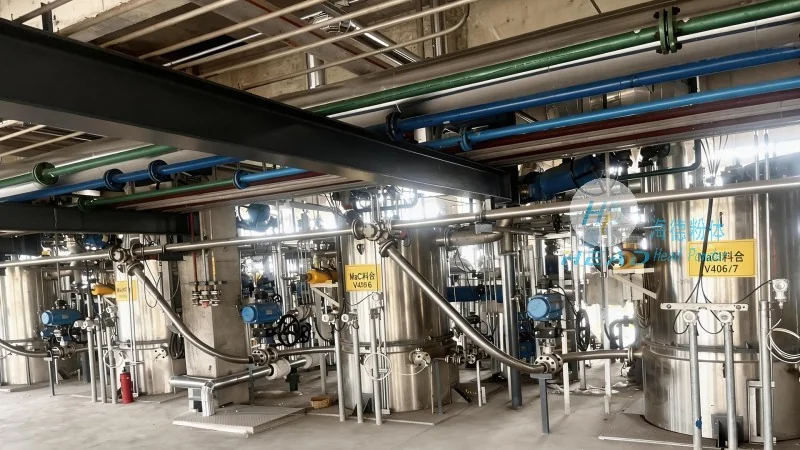
When considering the adoption of a pneumatic conveying system for protein powders, several factors should be evaluated. These include the initial investment cost, which can vary depending on the system size and complexity, the operating costs associated with energy consumption and maintenance, and the overall efficiency of the system in terms of material throughput and product quality. A thorough cost-benefit analysis is essential to determine the viability of such a system for a particular application.
In conclusion, protein powder pneumatic conveying is a sophisticated and effective method for transporting dry powders in the food and supplement industry. By leveraging the principles of air movement, these systems offer a hygienic, efficient, and flexible solution for handling protein powders. The key to successful implementation lies in understanding the specific requirements of the protein powder and selecting the appropriate system components, ensuring that the final product remains of high quality and meets the stringent standards of the industry.
As a leading provider in this field, Shandong HeadPowder Engineering Co., Ltd. specializes in designing and manufacturing pneumatic conveying systems tailored to the needs of protein powder manufacturers. With a focus on quality, reliability, and customer satisfaction, HeadPowder offers comprehensive solutions that enhance the efficiency and safety of powder handling processes. Located in Shandong, China, the company leverages its expertise to deliver systems that meet the highest industry standards, supporting the growth and success of its clients in the health and fitness sector.