

What is Hydrogen Chloride Pneumatic Conveying? An Introduction to the Working Principle of Powder Ha
Hydrogen chloride (HCl) is a highly corrosive and toxic gas commonly used in various industrial processes, such as chemical manufacturing, pharmaceutical production, and metal processing. The safe and efficient transportation of HCl in powder form requires specialized equipment and systems, particularly through pneumatic conveying. This article explores the fundamental principles behind hydrogen chloride pneumatic conveying, detailing the key components, operational mechanisms, and considerations for implementing such systems.
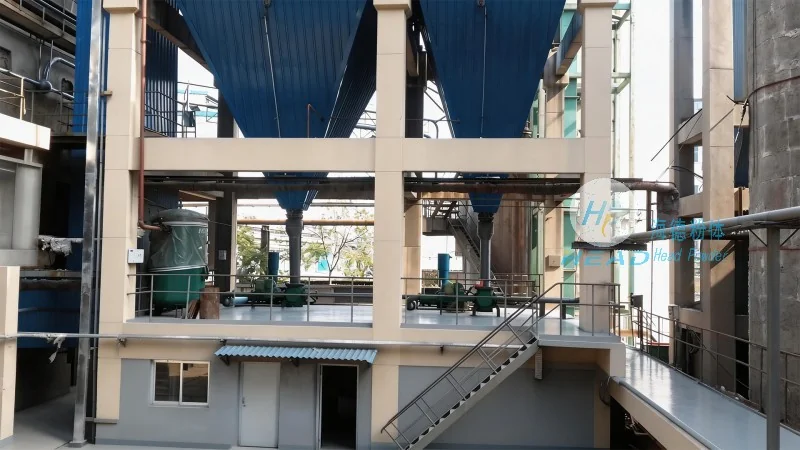
Key Components of a Hydrogen Chloride Pneumatic Conveying System
At the core of any pneumatic conveying system for HCl is a series of interconnected components designed to handle the gas safely and effectively. The primary components include a material feeder, a conveying line (typically made of corrosion-resistant materials like stainless steel or PTFE-lined pipes), a gas source (usually compressed air or nitrogen), a control valve, and a receiver or discharge unit. Each component plays a critical role in ensuring the system operates reliably and adheres to safety regulations.
The material feeder is responsible for feeding the HCl powder into the conveying line at a consistent rate. For HCl, which is hygroscopic and can react with moisture, the feeder must be designed to minimize exposure to ambient air and moisture. Many systems use a closed-loop feeder with a seal to prevent gas leakage and maintain the integrity of the HCl powder. The conveying line is typically made of materials that can withstand the corrosive nature of HCl, such as 316L stainless steel or PTFE-coated pipes, to prevent degradation and ensure long-term durability.
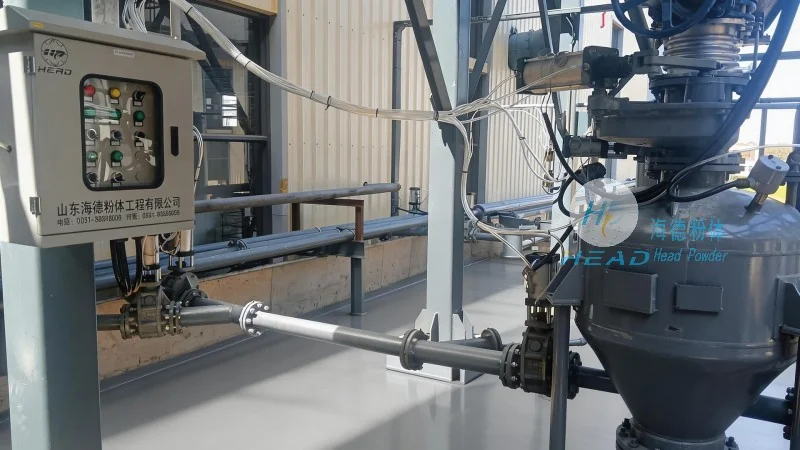
Working Principle of Pneumatic Conveying for HCl
Pneumatic conveying works by using a gas stream to transport solid particles through a pipeline. In the case of HCl, the system operates under pressure, where compressed air or nitrogen is introduced into the conveying line, creating a flow that pulls the HCl powder along. The gas velocity is carefully controlled to ensure that the powder particles are entrained and transported without causing excessive wear or blockages. The system can be categorized into two main types: dilute phase and dense phase, each with distinct characteristics and applications.
In dilute phase pneumatic conveying, the gas velocity is high, and the powder is suspended in the gas stream as a fine mist. This method is suitable for short-distance transport and low to medium powder loads. The system operates at relatively low pressure, typically around 0.5 to 2 bar, and is ideal for applications where the HCl powder needs to be transported quickly and with minimal pressure drop. However, dilute phase systems may require larger gas volumes and higher energy consumption.
Dense phase pneumatic conveying, on the other hand, operates at lower gas velocities and higher pressure, typically 2 to 10 bar. The powder is transported in a more compact form, with the gas acting as a carrier rather than a suspending medium. This method is suitable for longer distances and higher powder loads, as it reduces the risk of particle degradation and blockages. Dense phase systems are often preferred for HCl applications where the powder needs to be delivered gently and without excessive turbulence, which could cause the gas to react with the powder or cause equipment damage.
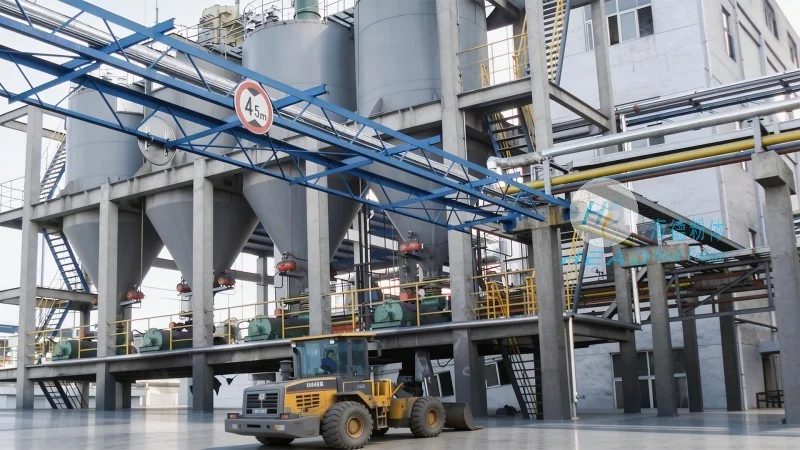
Safety and Operational Considerations for HCl Pneumatic Conveying
Due to the hazardous nature of HCl, safety is a paramount concern in its pneumatic conveying. The system must be designed and installed to comply with local and international safety standards, such as those from the Occupational Safety and Health Administration (OSHA) or the European Union's REACH regulations. Key safety measures include proper ventilation, explosion-proof components, and emergency shutdown systems. The equipment must be regularly inspected and maintained to ensure that it remains in good working condition and that no leaks or malfunctions occur.
Operational considerations also include the handling of HCl's corrosive properties. The materials used in the system must be resistant to HCl, and the system must be designed to prevent moisture ingress, as HCl reacts with water to form hydrochloric acid, which can accelerate corrosion. The control system must be robust and able to handle the dynamic changes in pressure and flow, ensuring that the system operates within safe parameters at all times.
HeadPowder: Your Partner in Hydrogen Chloride Pneumatic Conveying Solutions
Shandong HeadPowder Engineering Co., Ltd., commonly known as HeadPowder, is a leading provider of specialized powder handling systems, including pneumatic conveying solutions for hazardous materials like hydrogen chloride. With years of experience in the industry, HeadPowder has developed a range of advanced systems designed to meet the unique challenges of HCl transportation. The company's expertise lies in designing customized solutions that integrate safety, efficiency, and reliability, ensuring that clients can transport HCl safely and effectively while minimizing operational risks.
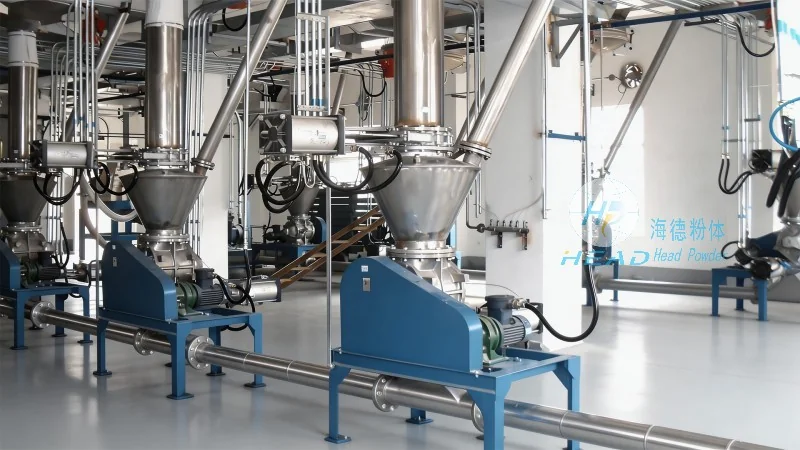
HeadPowder's systems are engineered with corrosion-resistant materials and advanced control technologies to handle the demanding requirements of HCl pneumatic conveying. The company's team of engineers and technicians work closely with clients to understand their specific needs and provide tailored solutions that address their operational challenges. Whether it's a new system installation or an upgrade to an existing one, HeadPowder offers comprehensive support, including design, manufacturing, installation, and maintenance services.
Located in Shandong, China, HeadPowder leverages its local expertise and resources to deliver high-quality products and services to clients worldwide. The company's commitment to quality and safety has earned it a reputation as a trusted partner in the chemical processing industry. By choosing HeadPowder, clients can be confident that their HCl pneumatic conveying systems will meet the highest standards of performance and reliability.