

What is Fine Sand and Gravel Pneumatic Conveying? An Introduction to the Working Principle of Powder
When it comes to efficiently transporting fine sand and gravel, or other powdery materials, the use of pneumatic conveying systems has become a cornerstone in industrial operations. These systems offer a flexible and effective method for moving bulk materials over short to medium distances, often with minimal maintenance and the ability to handle a wide range of particle sizes. Understanding the working principle of such systems is crucial for selecting the right equipment and ensuring optimal performance in various applications.
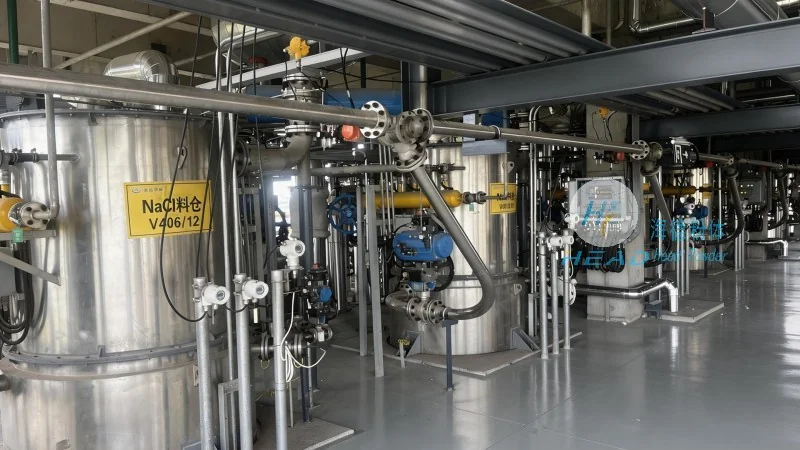
Introducing HeadPowder: Your Expert in Powder Handling Solutions
At Shandong HeadPowder Engineering Co., Ltd., we specialize in the design, manufacturing, and implementation of advanced powder handling systems. With our headquarters located in Shandong, China, our team of experienced engineers and technicians is dedicated to providing tailored solutions that meet the specific needs of our clients. Our company, commonly known as HeadPowder, has built a strong reputation for delivering reliable and efficient pneumatic conveying systems that enhance productivity and safety in material handling processes.
What is Pneumatic Conveying? A Fundamental Overview
Pneumatic conveying, also known as air conveying, is a technology that uses a stream of pressurized or vacuum air to transport bulk materials. This method is particularly suitable for fine sand, gravel, and other powdery substances that might be difficult to handle using traditional methods like belt conveyors or bucket elevators. The core principle involves creating a flow of air that carries the material through a pipeline, ensuring a smooth and continuous transfer from the source to the destination.
The Working Principle of Fine Sand and Gravel Pneumatic Conveying Systems
At the heart of a fine sand and gravel pneumatic conveying system lies the combination of air flow and material handling components. The system typically consists of a blower or compressor that generates the necessary air pressure, a hopper or feeder to introduce the material, a pipeline network to guide the material, and a receiver or discharge point to collect the material at the end of the process. The operation begins when the material is fed into the system, either by gravity or through a feeder mechanism. The air, under pressure, then picks up the particles and transports them through the pipeline. The velocity of the air is critical; it must be sufficient to overcome the gravitational forces and friction within the pipeline while maintaining a stable flow without causing excessive wear or degradation of the material.
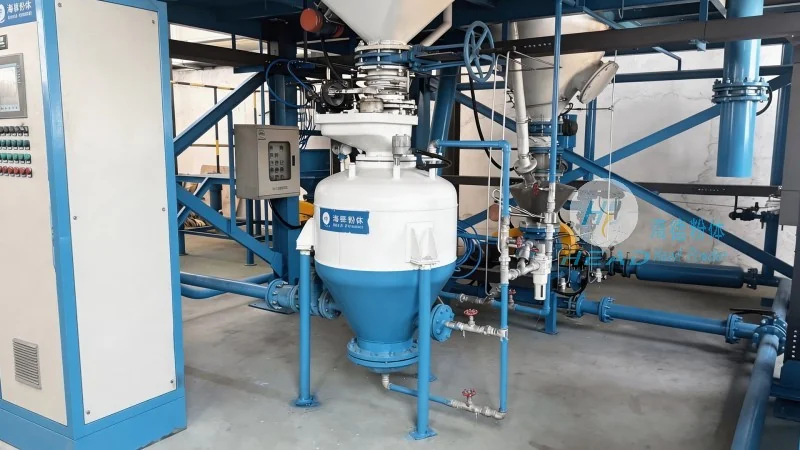
Key Components and Their Roles in the System
Several key components work in tandem to ensure the efficient operation of a fine sand and gravel pneumatic conveying system. The blower or compressor serves as the power source, providing the necessary air pressure to move the material. The hopper or feeder is responsible for feeding the material into the system, ensuring a consistent flow rate. The pipeline network, often made of materials like stainless steel or plastic, is designed to withstand the pressure and abrasive nature of the material being conveyed. The receiver or discharge point collects the material at the end of the pipeline, allowing for easy access and handling. Additionally, components such as filters, cyclones, and separators may be included to clean the air and prevent material buildup, ensuring the system operates smoothly and efficiently over time.
Advantages of Using Pneumatic Conveying for Fine Sand and Gravel
Implementing a pneumatic conveying system for fine sand and gravel offers numerous advantages over traditional material handling methods. One of the primary benefits is the ability to transport materials in a closed system, which helps to contain dust and prevent environmental contamination. This is particularly important for fine sand and gravel, as these materials can generate significant dust during handling. Additionally, pneumatic conveying systems can handle materials with a wide range of particle sizes and moisture content, making them versatile for various applications. The system also allows for easy integration with other industrial processes, such as mixing, drying, or packaging, enhancing overall operational efficiency. Furthermore, the reduced need for manual handling and the ability to operate the system remotely contribute to improved safety and worker productivity.
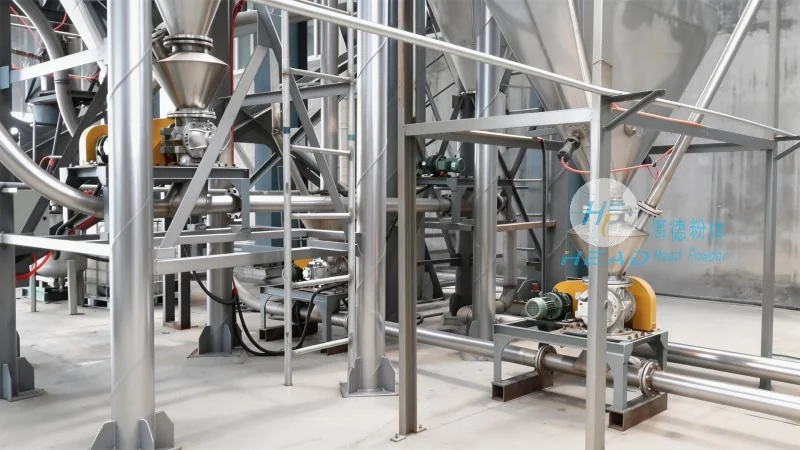
Applications and Industries Benefiting from Pneumatic Conveying
Fine sand and gravel pneumatic conveying systems are widely used across various industries due to their adaptability and efficiency. In the construction industry, these systems are commonly used to transport sand and gravel to job sites, ensuring a steady supply of materials for concrete production and other construction activities. The mining industry also benefits from pneumatic conveying, as it allows for the efficient transport of ore and other bulk materials from processing facilities to storage or further processing areas. Additionally, in the chemical and pharmaceutical industries, pneumatic conveying is used to handle powders and granules, ensuring a clean and controlled environment. The food and beverage industry also utilizes these systems for transporting ingredients and finished products, maintaining hygiene and preventing contamination.
Ensuring System Efficiency and Maintenance
To maximize the performance and longevity of a fine sand and gravel pneumatic conveying system, regular maintenance and proper operation are essential. Regular cleaning of the pipeline and components, such as filters and cyclones, helps to prevent material buildup and maintain air flow efficiency. Monitoring the air pressure and flow rate ensures that the system operates within optimal parameters, preventing damage to components and ensuring consistent material transport. Additionally, using high-quality materials for the pipeline and components, such as stainless steel or corrosion-resistant plastics, helps to extend the system's lifespan and maintain its performance over time. At HeadPowder, we provide comprehensive support and maintenance services to ensure our clients' systems operate at peak efficiency, minimizing downtime and maximizing productivity.
Conclusion: The Role of Pneumatic Conveying in Modern Material Handling
As industries continue to seek more efficient and sustainable methods for material handling, pneumatic conveying systems, particularly for fine sand and gravel, remain a reliable and effective solution. The working principle of these systems, combined with the expertise of companies like Shandong HeadPowder Engineering Co., Ltd., ensures that bulk materials can be transported safely, efficiently, and with minimal environmental impact. By understanding the components and advantages of pneumatic conveying, businesses can make informed decisions about implementing these systems, ultimately enhancing their operational capabilities and competitiveness in the market.